

The debate around trekking vs hiking has become increasingly popular among travelers and outdoor enthusiasts. While many people use these terms interchangeably, they actually refer to different types of outdoor experiences. Understanding the difference can help you choose the right activity based on your fitness level, travel goals, and the kind of adventure you’re looking for.
In this complete SEO travel guide, you’ll learn what hiking is, what trekking is, the key differences between them, their benefits, examples in Peru and worldwide, and expert tips to help you decide which one is best for your next trip in 2026.
WHAT IS HIKING?
Hiking is a recreational outdoor activity that involves walking on marked trails or established paths in natural environments such as mountains, forests, or national parks.
It is one of the most accessible forms of outdoor tourism and is suitable for people of all ages and fitness levels.
Key features of hiking
- Usually completed in one day
- Takes place on well-marked trails
- Low to moderate difficulty
- Requires minimal equipment
- Ideal for beginners and casual travelers
Hiking is perfect for those who want to enjoy nature, take in beautiful landscapes, and stay active without the need for extensive preparation.
WHAT IS TREKKING?
Trekking is a more demanding outdoor activity that involves walking long distances over several days, often through remote or mountainous regions.
Unlike hiking, trekking typically requires more planning, physical endurance, and specialized gear, as it may involve camping or staying in remote lodges.
Key features of trekking
- Multi-day journeys
- Remote and less developed routes
- Moderate to high difficulty
- Requires specialized equipment
- More immersive and adventurous
Trekking is ideal for travelers seeking a deeper connection with nature and a more challenging experience.
TREKKING VS HIKING: MAIN DIFFERENCES
Understanding the difference between trekking vs hiking is essential when planning your adventure, especially if you are exploring destinations like Cusco, Machu Picchu, or the Andes. Although both activities involve walking in nature, they differ significantly in duration, difficulty, preparation, and overall experience.
1. Duration
- Hiking: Typically short and completed in a single day. Most hikes last between a few hours and a full day, making them ideal for travelers with limited time.
- Trekking: Involves multi-day journeys that can last from 2 to 10 days or more. Trekkers follow extended routes with overnight stays in camps or lodges.
2. Difficulty Level
- Hiking: Generally easy to moderate, suitable for beginners and casual travelers. It does not require advanced physical preparation.
- Trekking: Moderate to difficult, often requiring endurance, stamina, and proper acclimatization—especially in high-altitude destinations like the Peruvian Andes.
3. Terrain
- Hiking: Takes place on clearly marked, maintained, and accessible trails. These routes are often close to cities or tourist areas.
- Trekking: Occurs on more remote, rugged, and less-defined paths. Trekkers may cross mountains, valleys, rivers, and high-altitude passes.
4. Equipment
- Hiking: Requires basic gear such as comfortable walking shoes, light clothing, water, and snacks.
- Trekking: Requires more advanced and specialized equipment, including backpacks, trekking poles, camping gear, sleeping bags, and layered clothing for changing weather conditions.
5. Planning and Logistics
- Hiking: Minimal planning is needed. Many hikes can be done independently without guides or permits.
- Trekking: Requires detailed planning, permits (in some cases like the Inca Trail), guides, porters, food supplies, and accommodation arrangements.
6. Experience and Purpose
- Hiking: Focuses on recreation, relaxation, and enjoying natural landscapes. It is ideal for short escapes and scenic views.
- Trekking: Offers a deeper, more immersive experience. It often combines adventure, cultural interaction, and personal challenge.
7. Physical and Mental Demand
- Hiking: Low to moderate physical effort with minimal mental strain.
- Trekking: High physical demand and mental resilience are required, especially when facing altitude, weather changes, and long distances.
In summary, hiking is more accessible, flexible, and perfect for beginners, while trekking is a more challenging and adventurous experience that requires preparation but rewards travelers with unforgettable landscapes and cultural connections.
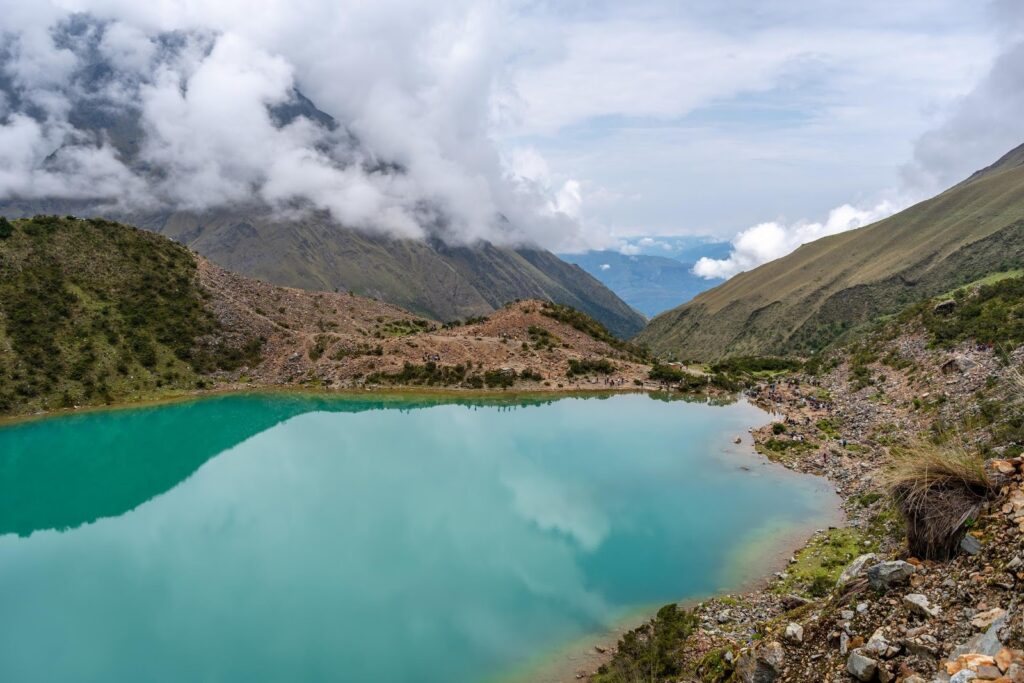
If you are planning a trip to Peru, both options are excellent whether you choose a short hike like Laguna Humantay or a multi-day trek such as the Salkantay Trek or Inca Trail.
TREKKING VS HIKING IN PERU
Peru is one of the world’s top destinations for both hiking and trekking, especially in the Andes around Cusco and Machu Picchu. The country offers a wide variety of routes, from easy day hikes to challenging multi-day adventures, all surrounded by stunning landscapes and rich cultural heritage.
Popular Hiking Routes in Peru
If you are looking for short, scenic experiences with incredible views, these hikes are perfect:
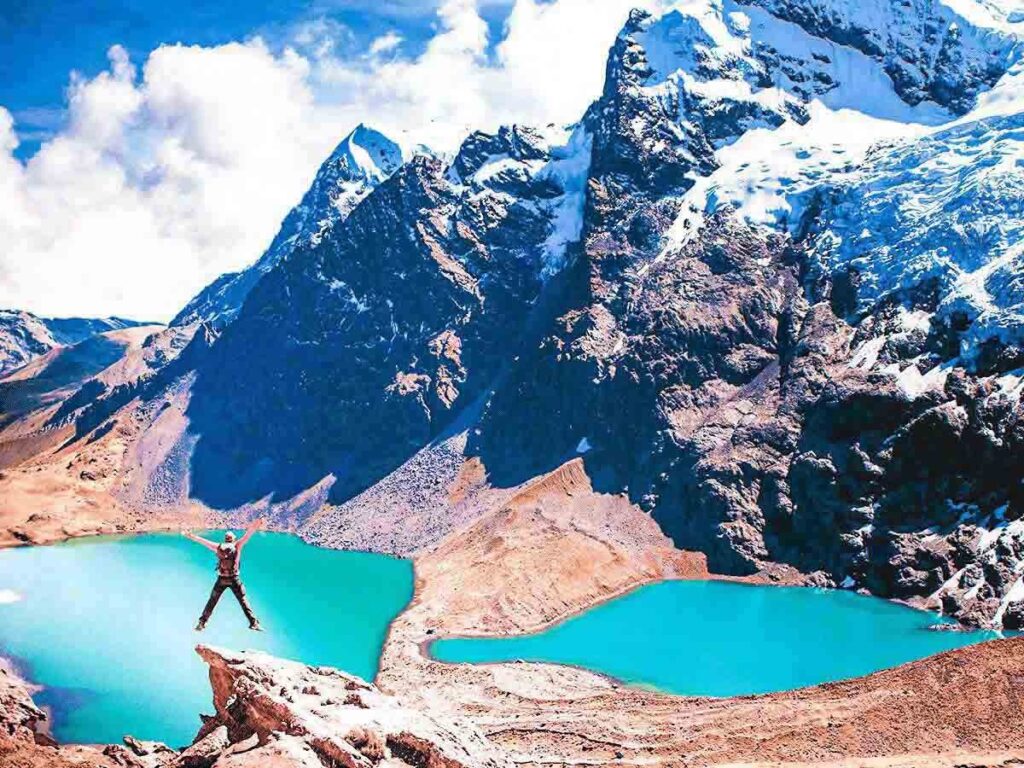
- Humantay Lake hike: A breathtaking high-altitude hike leading to a turquoise glacial lake at over 4,200 meters above sea level. Ideal for a one-day adventure.
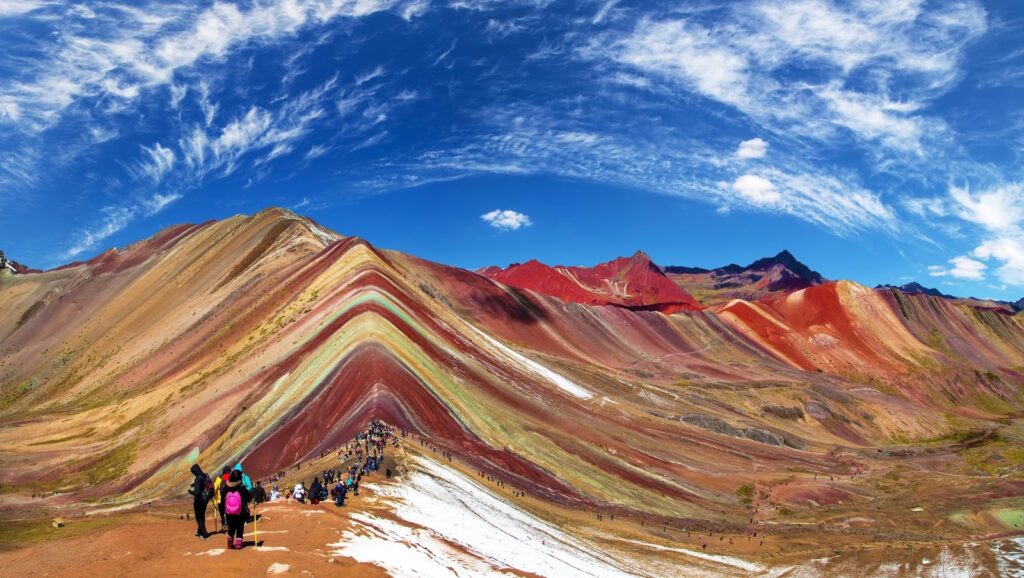
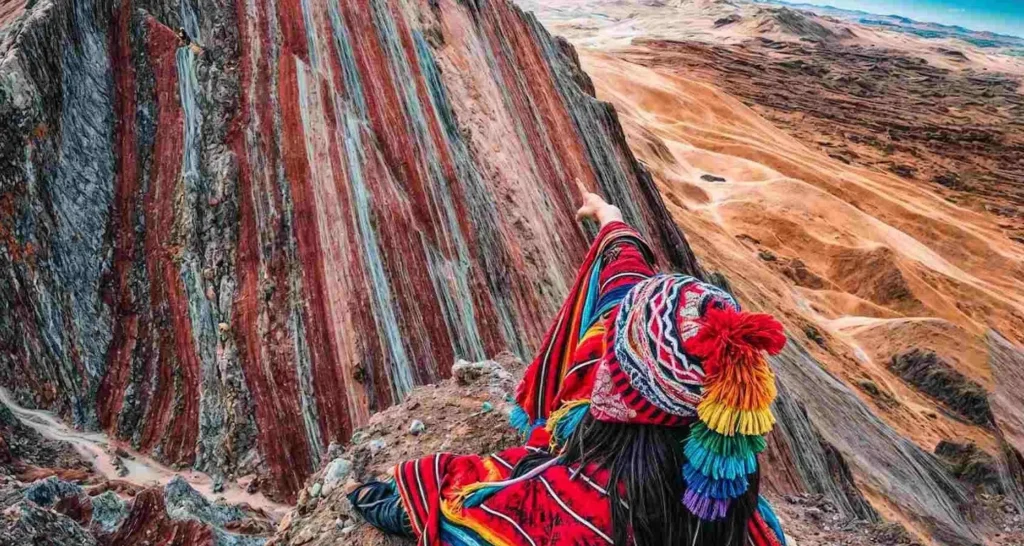
- Rainbow Mountain (Vinicunca): Famous for its colorful mineral layers, this hike reaches over 5,000 meters above sea level and offers one of the most unique landscapes in Peru.
- Sacred Valley trails: A variety of easy to moderate walks connecting traditional villages, Inca sites, and agricultural terraces.
These routes are ideal for travelers with limited time who still want to experience the beauty of the Andes.
Popular Trekking Routes in Peru
For those seeking a deeper and more adventurous experience, Peru offers world-class trekking routes:
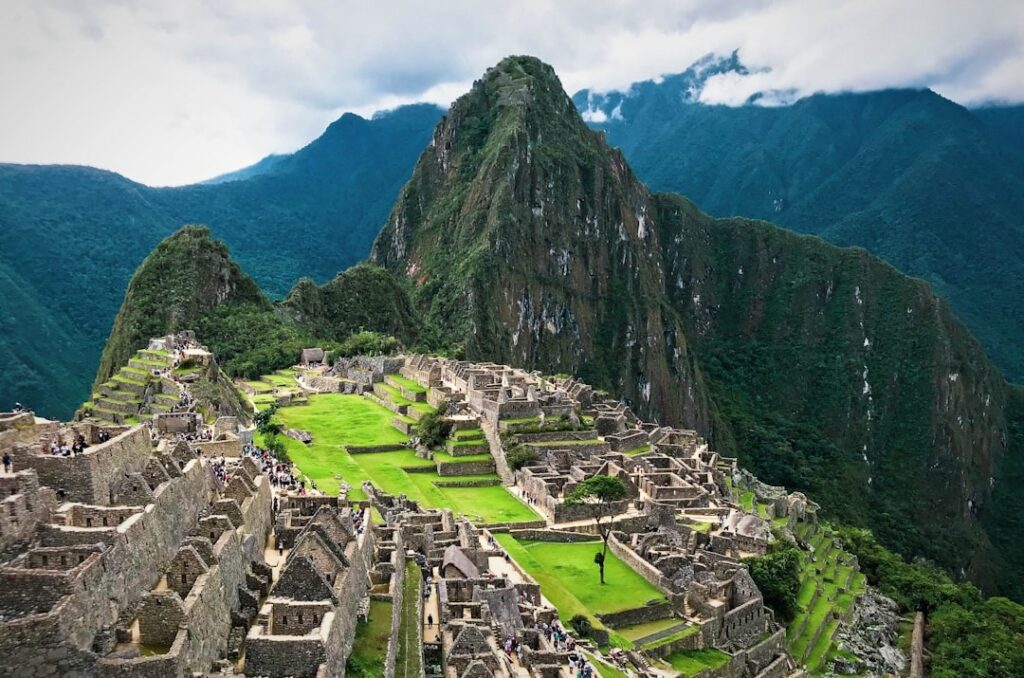
- Inca Trail to Machu Picchu: The most iconic trek in South America, combining ancient Inca paths, archaeological sites, and a final arrival at Machu Picchu through the Sun Gate.
- Salkantay Trek: A spectacular alternative to the Inca Trail, featuring snow-capped mountains, cloud forests, and diverse ecosystems.
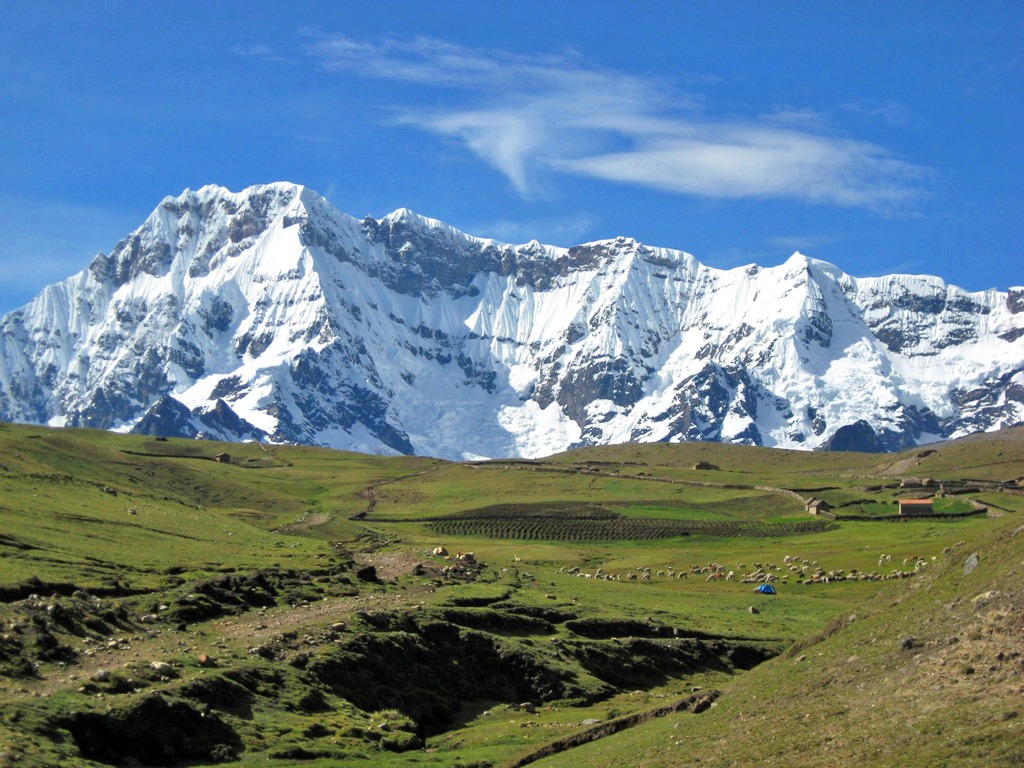
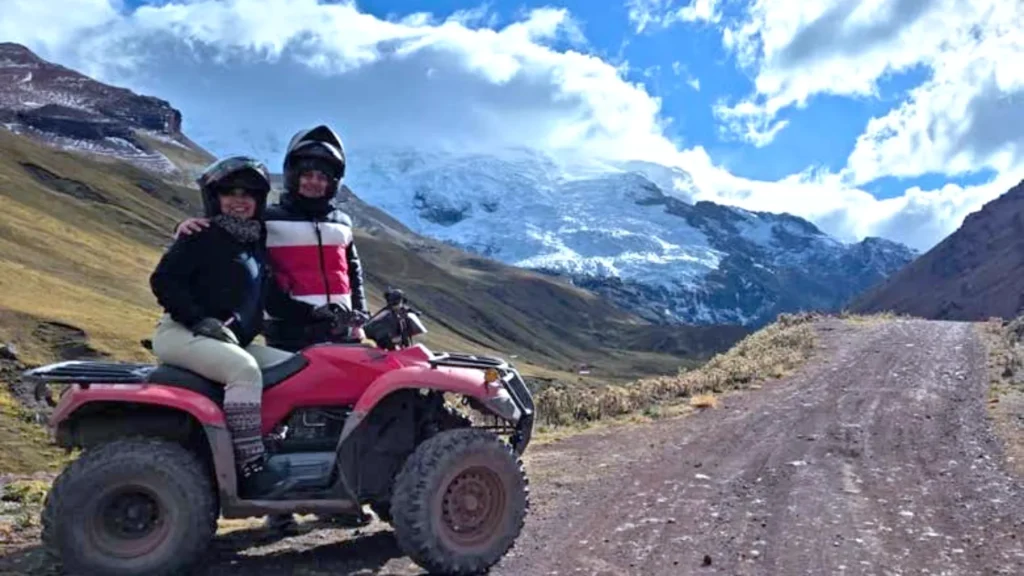
- Ausangate Trek: A remote and challenging trek around the sacred Ausangate Mountain, known for its colorful landscapes, glaciers, and authentic Andean culture.
These treks typically last between 2 to 5 days (or more) and offer a powerful combination of adventure, culture, and breathtaking scenery.
BENEFITS OF HIKING AND TREKKING
Both hiking and trekking offer powerful physical and mental benefits, making them essential activities within modern adventure tourism.
Hiking Benefits
- Improves cardiovascular health: Regular hiking helps strengthen the heart and boosts overall fitness.
- Reduces stress and anxiety: Spending time in nature promotes relaxation and mental well-being.
- Easy to start: Hiking requires minimal preparation and is accessible for beginners.
- Suitable for all levels: Trails range from easy walks to moderate hikes, making it ideal for everyone.
Trekking Benefits
- Builds endurance and strength: Multi-day treks improve stamina, muscle strength, and overall physical performance.
- Deeper connection with nature: Trekking allows you to explore remote landscapes and immerse yourself in natural environments.
- Sense of achievement: Completing a challenging trek brings personal satisfaction and confidence.
- Enhances mental resilience: Overcoming physical challenges strengthens discipline and mental toughness.
Both activities play a key role in the growth of adventure travel and outdoor tourism, offering meaningful experiences that combine health, exploration, and personal development.
WHICH IS BETTER: TREKKING OR HIKING?
There is no one-size-fits-all answer when deciding between trekking vs hiking. The best choice depends on your travel style, fitness level, available time, and the type of experience you’re looking for.
Choose Hiking if you:
- Have limited time: Perfect for short trips or day excursions.
- Prefer easier and well-marked routes: Ideal for a relaxed and enjoyable experience.
- Are traveling with family or groups: Suitable for all ages and fitness levels.
- Are a beginner: A great way to start exploring nature without intense physical demands.
Choose Trekking if you:
- Are looking for a real adventure: Multi-day journeys offer a deeper travel experience.
- Have good physical condition: Trekking requires endurance and preparation.
- Enjoy remote and less crowded destinations: Perfect for escaping mass tourism.
- Seek immersive and transformative experiences: Ideal for connecting with nature and local cultures.
Ultimately, both options offer unforgettable experiences. You can even combine hiking and trekking in one trip to enjoy the best of both worlds.
ESSENTIAL GEAR FOR TREKKING AND HIKING
Having the right equipment is key to enjoying a safe and comfortable outdoor experience. While both activities require preparation, trekking gear is generally more advanced due to longer duration and challenging terrain.
Hiking Gear:
- Comfortable walking shoes: Lightweight and suitable for short trails.
- Light backpack: Enough to carry essentials without adding extra weight.
- Water and snacks: Stay hydrated and energized throughout the hike.
- Sunscreen and sunglasses: Protect yourself from sun exposure, especially at higher altitudes.
Trekking Gear:
- High-capacity backpack: Designed to carry gear for multiple days.
- Technical clothing: Layered, breathable, and weather-resistant apparel.
- Trekking boots: Durable with strong grip for uneven terrain.
- Camping gear: Tent, sleeping bag, and sleeping mat if required.
- Multi-day food supplies: Nutrient-rich meals for extended journeys.
Because trekking involves longer routes, remote locations, and varying weather conditions, it requires more planning and specialized equipment to ensure safety and performance.
TIPS TO CHOOSE BETWEEN TREKKING VS HIKING
If you are planning your trip in 2026, these practical tips will help you decide between hiking and trekking based on your needs and travel style:
1. Assess your fitness level: Be honest about your physical condition. While hiking is generally suitable for most people, trekking requires greater endurance, strength, and preparation, especially on multi-day routes.
2. Consider your available time: Your schedule plays a key role. If you only have one day or a short itinerary, hiking is the best option. Trekking, on the other hand, requires several days and more detailed planning.
3. Define your travel goals: Think about the type of experience you want:
- Relaxation and scenic views → Hiking
- Adventure and personal challenge → Trekking
4. Research your destination: Not all routes are the same. Each trail offers different landscapes, difficulty levels, and cultural experiences, so it’s important to choose a destination that matches your expectations.
TRAVEL TRENDS 2026: ADVENTURE TOURISM
In 2026, both trekking and hiking continue to grow as leading trends in global travel. More than ever, travelers are seeking meaningful experiences that go beyond traditional tourism.
Today’s travelers are increasingly interested in:
- Sustainable tourism: Responsible travel that protects natural environments and supports local communities.
- Nature-based experiences: Exploring mountains, forests, and remote landscapes.
- Outdoor adventures: Activities that combine excitement, physical challenge, and exploration.
- Authentic cultural connections: Interacting with local traditions, communities, and ways of life.
Destinations like Peru, especially Cusco and Machu Picchu, are at the forefront of this trend, offering a perfect combination of adventure tourism, cultural heritage, and breathtaking Andean landscapes.
THOUGHTS: TREKKING VS HIKING
The comparison of trekking vs hiking is not about which one is better, but which one suits your travel style. Hiking is perfect for enjoying nature in a relaxed way, while trekking offers a more intense, transformative experience.
If you’re traveling to Peru, you can combine both: start with short hikes and then take on a multi-day trek like the Inca Trail or Salkantay Trek.
No matter which you choose, both activities offer unforgettable landscapes, personal growth, and a deeper connection with nature.