


Few countries pack as much diversity into one trip as Peru. In fact, the country’s incredible variety makes it home to some of the true Must See Destinations in Peru. In a single itinerary, you can walk through Inca stonework in the Andes, sail across the highest navigable lake in the world, wander through coastal deserts, and drift down Amazon tributaries while listening to howler monkeys at dawn.
As a result, Peru offers one of the most diverse travel experiences on the planet. However, the sheer number of incredible places often leaves travelers wondering which Must See Destinations in Peru they should include in their itinerary.
This guide breaks down the must see destinations in Peru, organized by region, along with practical guidance on timing, sample itineraries, and what to look for in Machu Picchu travel packages. Whether you’re planning your first Peru trip or comparing options between different tour providers, Sisa Peru Tours put together this guide to help you build a trip that actually matches what you want to see and experience.
Why Peru Belongs on Every Traveler’s Bucket List
Peru is home to one of the New Seven Wonders of the World, the largest lake in South America, one of the deepest canyons on Earth, and a section of the Amazon rainforest recognized as one of the most biodiverse regions on the planet.
Add in a UNESCO-listed culinary scene, more than 5,000 years of continuous civilization, and landscapes ranging from coastal desert to high-altitude puna to dense jungle, and it becomes clear why Peru consistently ranks among the best destinations in Peru’s own region South America for first-time and repeat travelers alike.
The Must See Destinations in Peru
1. Machu Picchu
No list of tourist destinations in Peru could start anywhere else. Machu Picchu is the country’s most iconic site and one of the most recognizable archaeological wonders in the world a 15th-century Inca citadel perched at 2,430 meters (7,972 feet) above the Urubamba River, encompassing more than 150 stone structures across roughly 5 square miles of terraced mountainside.
Most visitors reach it by train from Cusco or Ollantaytambo followed by a short bus ride, though more adventurous travelers hike in via the Classic Inca Trail or the Salkantay Trek.
2. Cusco
Once the capital of the Inca Empire, Cusco is now widely regarded as the largest and most visited tourist hub in South America, and for good reason. Its historic center is a UNESCO World Heritage Site where colonial architecture sits directly atop original Inca foundations.
Highlights include the Plaza de Armas, the Cusco Cathedral, the Qorikancha (Temple of the Sun), and the massive Inca fortress of Sacsayhuamán just outside the city. Cusco also serves as the logistical base for nearly every trip into the surrounding region, from the Sacred Valley to Machu Picchu itself.
3. The Sacred Valley of the Incas
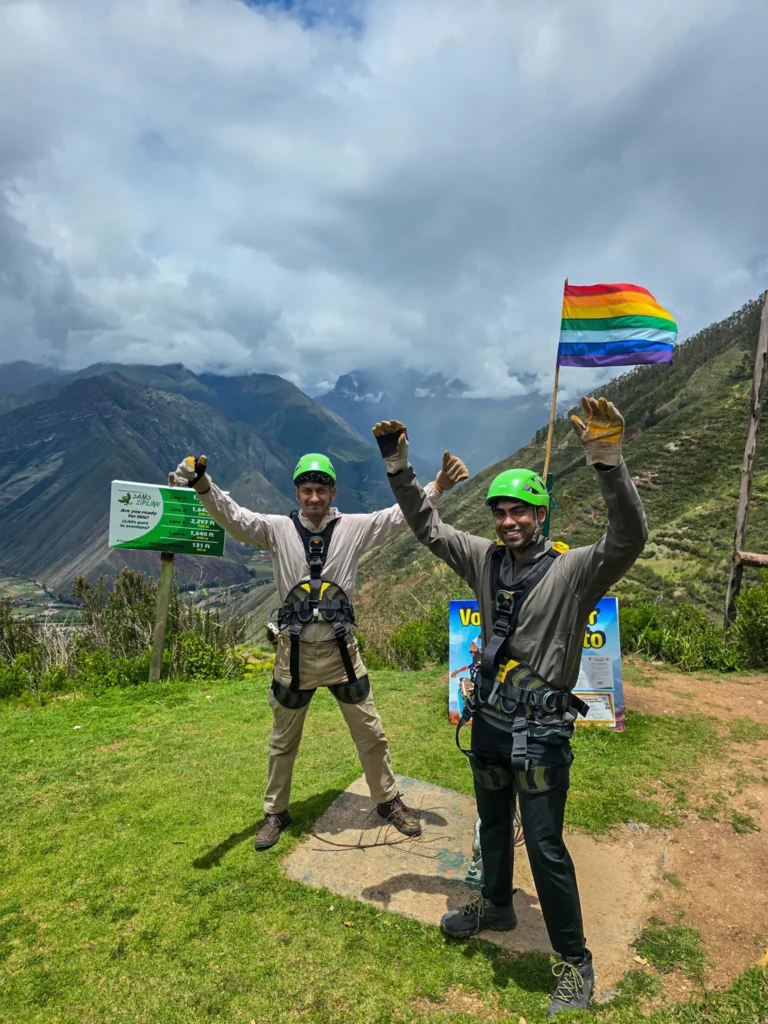
Stretching between Cusco and Machu Picchu, the Sacred Valley was once the agricultural and spiritual heartland of the Inca Empire, and it remains one of the richest concentrations of Inca archaeology anywhere in Peru.
Don’t miss the terraced ruins and lively market of Pisac, the imposing fortress town of Ollantaytambo, the traditional weaving villages near Chinchero, and the otherworldly concentric agricultural terraces at Moray, alongside the ancient salt pans of Maras.
4. Rainbow Mountain (Vinicunca)
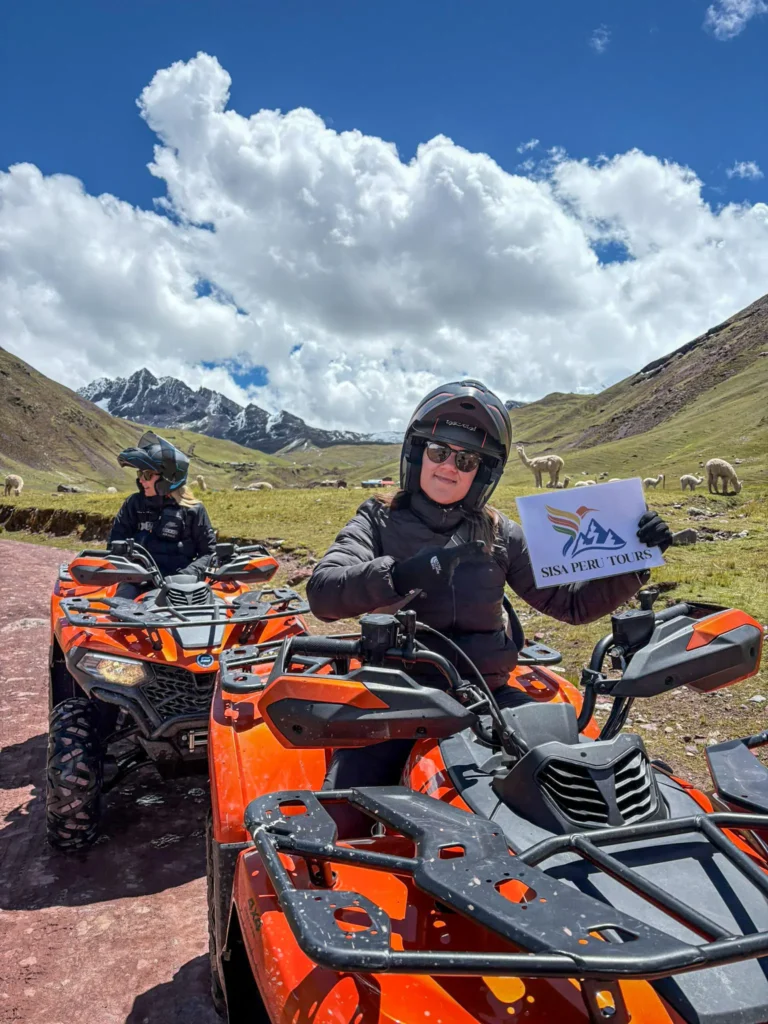
Known locally as Vinicunca and internationally as Rainbow Mountain, this striped, multicolored peak at over 5,000 meters has become one of Peru’s most photographed natural attractions in the past decade.
Its vivid red, gold, and turquoise bands come from mineral-rich sedimentary layers exposed by melting glaciers. It’s typically visited as a long day trip from Cusco, and can be paired with the nearby Ausangate mountain range’s turquoise glacial lakes for travelers with more time.

5. Lake Titicaca
Sitting at 3,812 meters (12,507 feet) above sea level, Lake Titicaca is both the largest lake in South America and the highest navigable lake in the world.
Straddling the border between Peru and Bolivia, its Peruvian side is best explored from the city of Puno, with boat excursions to the hand-built floating Uros Islands and the more traditional communities of Taquile and Amantaní Islands, where visitors can experience Andean textile traditions and homestays largely unchanged for generations.
6. The Nazca Lines
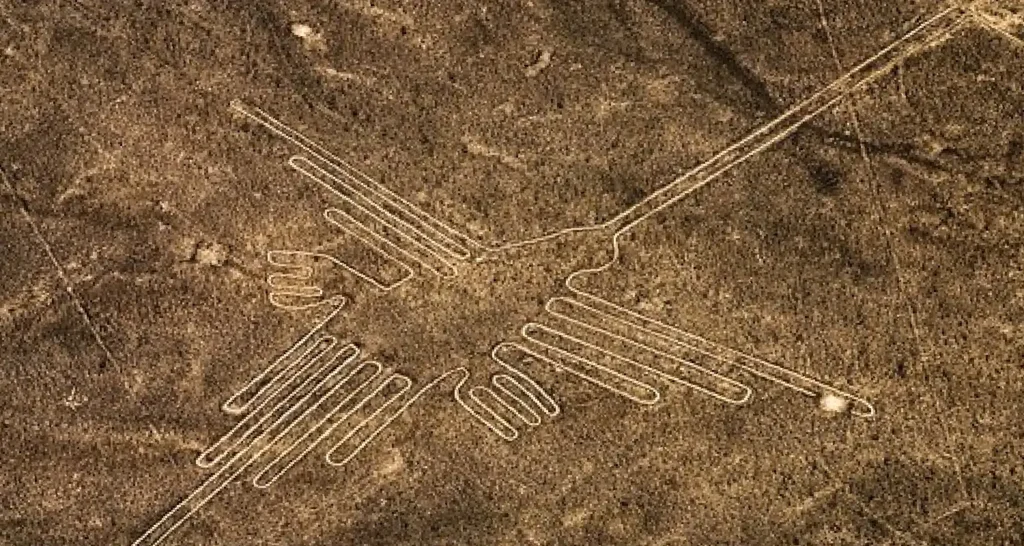
Etched into the southern desert more than two thousand years ago, the Nazca Lines are a series of massive geoglyphs depicting animals, plants, and geometric shapes some stretching hundreds of meters across hat are only fully visible from the air.
A scenic overflight from the town of Nazca remains the best way to appreciate their scale, and the mystery behind exactly how and why they were created continues to intrigue archaeologists and travelers alike.
7. Arequipa and Colca Canyon
Peru’s second-largest city, Arequipa, is known as the «White City» for its historic center built almost entirely from white volcanic sillar stone. Its colonial architecture, anchored by the stunning Santa Catalina Monastery, has earned it UNESCO World Heritage status.
From Arequipa, most travelers continue to the Colca Canyon, one of the deepest canyons in the world more than twice as deep as the Grand Canyon famous for its terraced villages and as one of the best places on Earth to see Andean condors soaring on thermal air currents.
8. The Peruvian Amazon
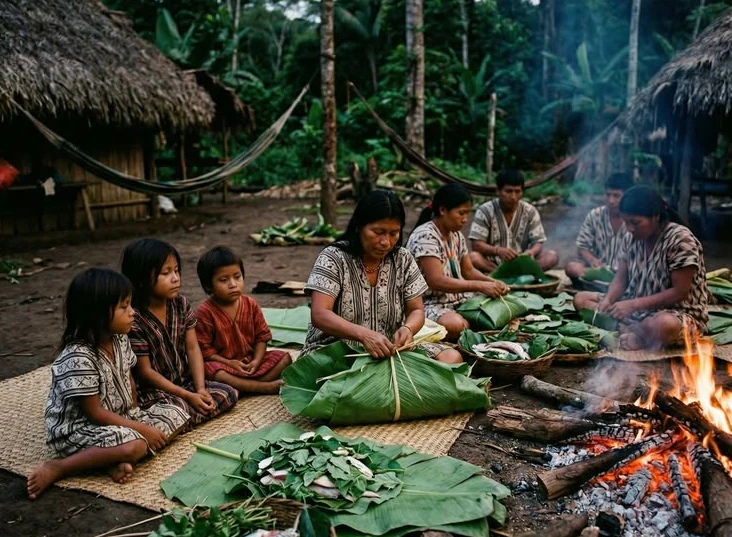
Peru holds a significant share of the Amazon rainforest, one of the most biodiverse ecosystems on the planet.
The two main gateway cities are Puerto Maldonado, easily reached from Cusco by a short flight or a long overland journey, and Iquitos, deeper in the northern Amazon and accessible only by plane or boat. Both offer access to jungle lodges, guided canoe excursions, and wildlife encounters ranging from macaws and monkeys to caimans, giant river otters, and with patience jaguars.
9. Lima
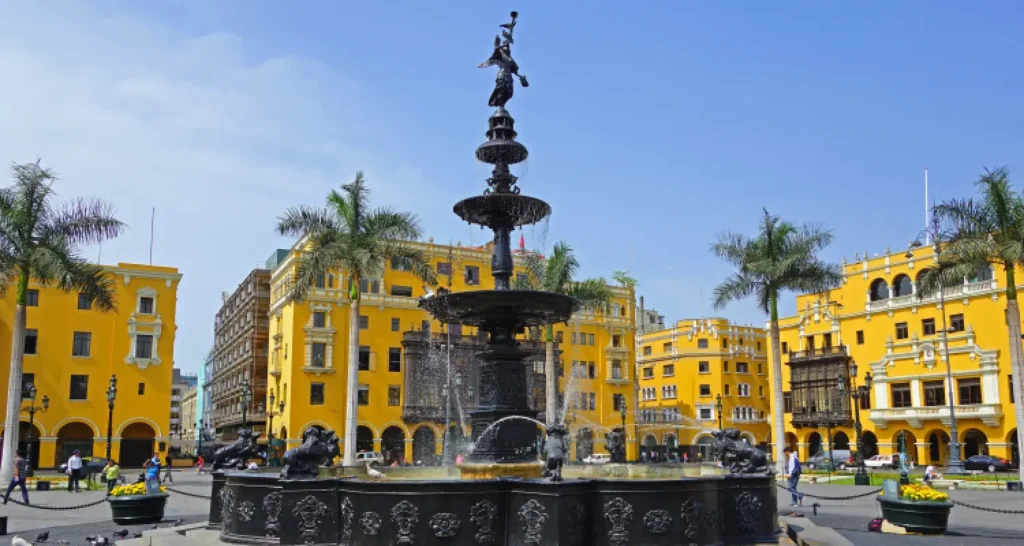
As the point of arrival for most international travelers, Lima deserves more than a layover. The historic center, a UNESCO World Heritage Site, is anchored by the Plaza Mayor, the Cathedral of Lima, and the Government Palace, while the modern districts of Miraflores and Barranco offer oceanfront promenades, vibrant nightlife, and some of the best restaurants in South America Lima is widely considered the culinary capital of the continent, home to several restaurants that regularly rank among the world’s best.
10. Huacachina
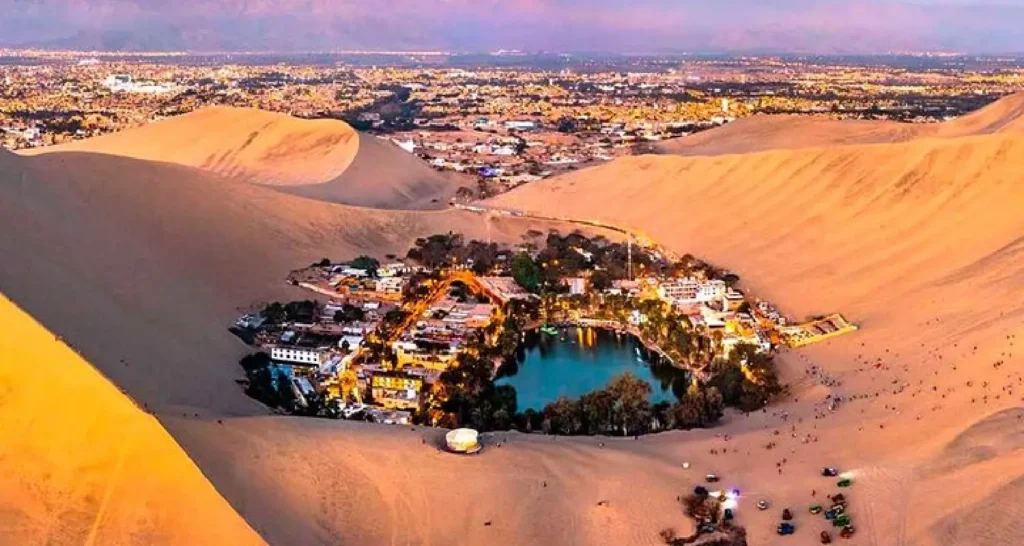
A genuine desert oasis surrounded by towering sand dunes, Huacachina near the city of Ica has rapidly become one of Peru’s most popular stops for adventure travelers. Dune buggy rides and sandboarding down the surrounding dunes are the main draw, and the small palm-fringed lagoon at its center makes for a striking sunset backdrop.
11. Paracas and the Ballestas Islands
Roughly four hours south of Lima, the Paracas National Reserve protects a dramatic stretch of Pacific coastline, red-sand beaches, and desert wildlife.
From the town of Paracas, boat tours to the nearby Ballestas Islands sometimes nicknamed the «poor man’s Galápagos» offer close-up views of sea lions, Humboldt penguins, and enormous colonies of seabirds.
12. Chachapoyas and Kuelap (Northern Peru)
For travelers looking beyond the well-worn southern circuit, Chachapoyas in northern Peru offers a quieter, less-visited alternative rich in archaeology. Its centerpiece, the fortress of Kuelap, is sometimes called the «Machu Picchu of the North» and predates the Inca Empire by centuries. Nearby, Gocta Falls ranks among the tallest waterfalls in the world, making this region a compelling addition for travelers seeking Peru’s more off-the-beaten-path side.
Best Time to Visit Peru
Peru’s dry season, from May to October, is generally considered the best time to visit for the classic Andean circuit Cusco, the Sacred Valley, Machu Picchu, and Rainbow Mountain with clear skies and minimal rainfall.
June through August is peak season, so travelers hoping for a quieter experience often target the shoulder months of May and September. The wet season, from November to April, brings more rain to the highlands (heaviest in January and February, when the Inca Trail closes annually for maintenance) but doesn’t prevent visits to Machu Picchu itself, since the site remains open year-round.
Coastal destinations like Lima, Paracas, and Huacachina follow a different pattern entirely, with a warmer, drier period from December to April meaning a well-planned Peru trip can actually take advantage of good weather somewhere in the country almost any time of year.
Sample Peru Trip Itineraries
7-Day Classic Peru Trip
- Days 1–2: Arrive in Lima, explore the historic center and Miraflores.
- Day 3: Fly to Cusco, acclimatize and explore the city center.
- Day 4: Full-day tour of the Sacred Valley (Pisac, Ollantaytambo).
- Day 5: Train to Aguas Calientes, guided tour of Machu Picchu.
- Day 6: Return to Cusco, free time or optional Rainbow Mountain day trip.
- Day 7: Depart from Cusco or Lima.
10-Day Comprehensive Peru Trip
Add to the above itinerary a 2–3 day extension to Puno and Lake Titicaca, including a boat excursion to the Uros Islands, or an extension into the Peruvian Amazon via Puerto Maldonado for a jungle lodge stay. Travelers with more time can also add Arequipa and the Colca Canyon, or the coastal detour through Paracas and Huacachina en route back to Lima.
Because Peru’s geography spans sea level to over 5,000 meters, the order in which you visit these regions matters building in gradual altitude acclimatization, rather than jumping straight from Lima to a high-altitude trek, makes a measurable difference in comfort throughout the trip.
What to Look for in Machu Picchu Travel Packages
Not all Machu Picchu travel packages are structured the same way, and the differences can significantly affect your experience:
- Train class and timing: Whether your package includes Vistadome, Inca Rail, or a luxury option like the Hiram Bingham train affects both comfort and cost, and departure times determine whether you reach the citadel early (fewer crowds) or midday (busier, but sometimes cheaper).
- Entrance circuit and add-ons: Machu Picchu entrance tickets are sold by circuit, and access to Huayna Picchu or Machu Picchu Mountain requires a separate, limited-availability ticket that should be booked well in advance.
- Guided vs. independent visits: A licensed guide adds historical and cultural context that’s easy to miss on a self-guided visit, and is required for certain circuits.
- Group size: Large group tours are generally less expensive, while private or small-group packages offer more flexibility in pacing and photo stops.
- What’s bundled together: Some Machu Picchu travel packages include only the site visit and train tickets, while more comprehensive ones bundle in the Sacred Valley, hotel stays, and even extensions to Lake Titicaca or the Amazon.
Comparing Options: Large Group Tours vs. a Local Peru Specialist
Many travelers researching their Peru trip come across large international tour operators like Gate 1 Tours, which offers multi-day, multi-country group packages across Latin America, including Peru circuits that typically bundle Lima, Cusco, the Sacred Valley, and Machu Picchu into a fixed group itinerary. These packages can be a solid option for travelers who prioritize a set schedule, a large group setting, and bundled international flights.
For travelers who want more flexibility a customized pace, private guiding, specific hotel categories, or the ability to add lesser-known destinations like Chachapoyas or a deeper Amazon extension working with a local Peru specialist like Sisa Peru Tours offers a different kind of value: itineraries built entirely around your travel dates and interests, direct relationships with hotels and guides on the ground in Cusco, and the flexibility to adjust an itinerary as your trip takes shape, rather than fitting into a fixed group departure calendar.
Practical Tips for Planning Your Peru Trip
- Altitude matters. About half of Peru’s most popular destinations sit above 3,000 meters. Build in acclimatization days, especially before Cusco, the Sacred Valley, or any high-altitude trek.
- Book the Inca Trail early. Permits are limited and commonly sell out four to six months in advance for peak season (June–August).
- Check entry requirements. Passport validity and visa rules can change, so confirm current requirements before departure, and note that yellow fever vaccination is generally required for travel into the Amazon region.
- Pack for multiple climates. A single Peru trip can span cold Andean nights, warm coastal days, and humid Amazon heat layering is essential.
- Consider a local guide for logistics. Peru’s most rewarding destinations are often spread across multiple regions with their own transportation quirks, permit systems, and seasonal considerations exactly where a tour specialist like Sisa Peru Tours can simplify the planning process.

Frequently Asked Questions
What are the most popular tourist destinations in Peru?
Machu Picchu, Cusco, the Sacred Valley, Lake Titicaca, and the Nazca Lines are consistently ranked among the most popular tourist destinations in Peru, alongside Arequipa, the Colca Canyon, and the Peruvian Amazon.
How many days do you need for a Peru trip?
A focused trip covering Lima, Cusco, the Sacred Valley, and Machu Picchu can be done comfortably in 7 days, while a more comprehensive Peru trip that includes Lake Titicaca, Arequipa, or the Amazon typically requires 10 to 14 days.
What is the best time of year to visit Peru?
May through September is the dry season in the Andean highlands, making it the best time to visit Machu Picchu, Cusco, and Rainbow Mountain, while coastal destinations like Lima and Paracas are best from December to April.
Is Machu Picchu open all year?
Yes, Machu Picchu remains open year-round, though the Classic Inca Trail closes every February for maintenance. The site can still be reached by train and bus during that period.
Do I need a guide to visit Machu Picchu?
A licensed guide is required for certain circuits at Machu Picchu and is strongly recommended for all visitors, both for historical context and to navigate the site’s various circuits efficiently.
How does Sisa Peru Tours compare to larger operators like Gate 1 Tours?
Large operators like Gate 1 Tours are well suited to fixed-date group departures with bundled logistics. Sisa Peru Tours, as a local specialist based in Peru, focuses on fully customized itineraries, private guiding, and flexible scheduling built specifically around each traveler’s interests and travel dates.
Start Planning Your Peru Trip with Sisa Peru Tours
From the ancient stonework of Machu Picchu to the floating islands of Lake Titicaca and the biodiversity of the Amazon, Peru’s must see destinations offer something for nearly every kind of traveler. The hardest part of planning a Peru trip usually isn’t finding places worth visiting it’s deciding which of Peru’s incredible regions to prioritize within the time you have.
At Sisa Peru Tours, we help travelers turn a long list of bucket-list destinations into a realistic, well-paced itinerary whether that means a classic week centered on Cusco and Machu Picchu, or a more comprehensive journey across the Andes, the altiplano, and the Amazon. Reach out to our team to start building your custom Peru trip today.