


What Is a Vicuña?
The vicuña animal is one of the most iconic creatures in Peru. This elegant camelid lives high in the Andes Mountains. It is famous for its soft wool, graceful appearance, and cultural importance. Many travelers visiting Peru dream of seeing vicuñas in their natural habitat near Cusco and the Ausangate Mountain region.
The vicuña is closely related to alpacas, llamas, and guanacos. However, it remains a wild species protected by the Peruvian government. Travelers often encounter vicuñas while exploring trekking routes around Ausangate Mountain, the Sacred Valley, and remote Andean landscapes.
Today, vicuñas symbolize the beauty of Peru’s highlands. They also represent the connection between nature and ancient Andean traditions.
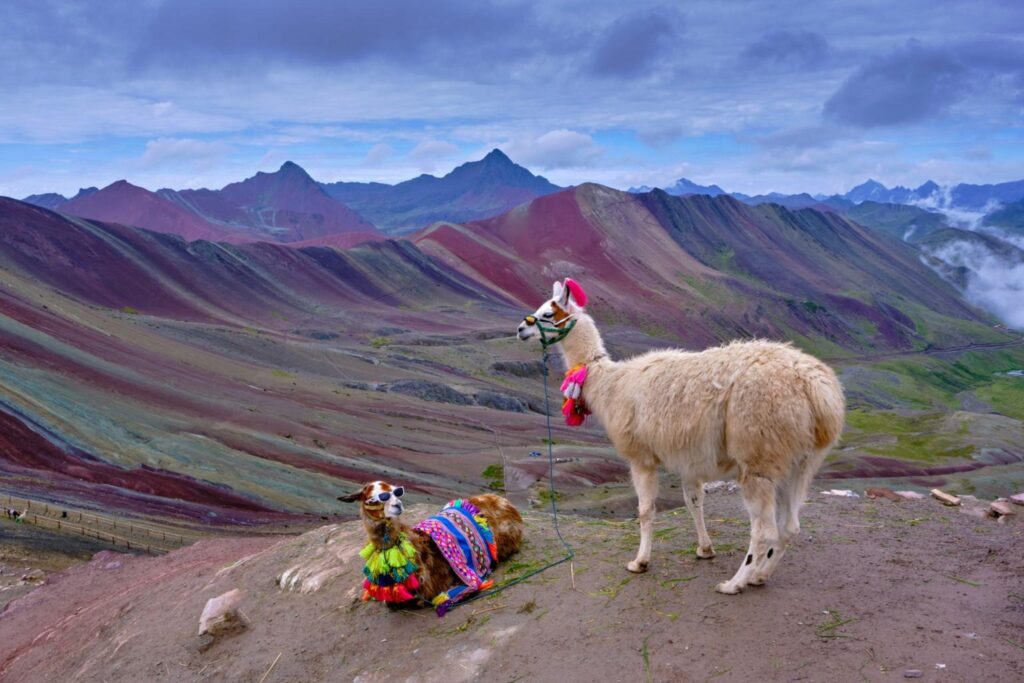
Vicuña Animals in Peru’s Andean Highlands
Where Do Vicuñas Live?
Vicuña animals live in high-altitude grasslands across Peru, Bolivia, Chile, and Argentina. Peru has one of the largest vicuña populations in South America. These animals usually inhabit areas above 3,500 meters.
Travelers can spot vicuñas in several famous destinations, including:
- Ausangate Mountain
- The Sacred Valley
- Cusco highlands
- The route to Rainbow Mountain
- Pampa Galeras National Reserve
The cold temperatures and open landscapes create the perfect environment for vicuñas. Their thick coat protects them from freezing winds and harsh Andean weather.
Why Are Vicuñas Important in Peru?
The vicuña has deep historical significance in Peru. During the Inca Empire, only royalty could wear vicuña wool. The Incas considered the animal sacred because of its rare and luxurious fiber.
Today, Peru continues protecting vicuñas through conservation programs. Local communities carefully manage the animals without harming them. This sustainable process helps preserve Andean traditions and supports rural families.
Visitors traveling through Cusco and the Sacred Valley often learn about these traditions during cultural tours.
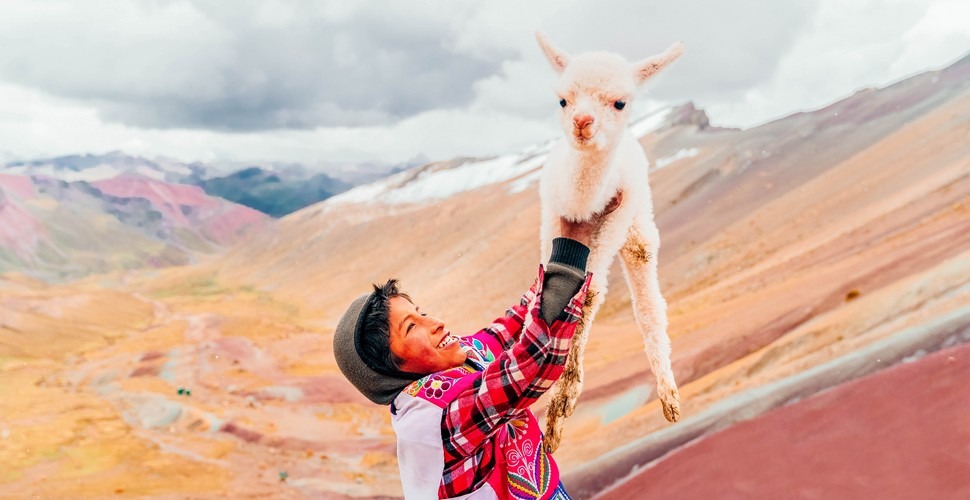
What Is a Vicuña? Characteristics and Facts
Physical Appearance of the Vicuña Animal
If you wonder what is a vicuña, the answer begins with its appearance. The vicuña is smaller and slimmer than llamas and alpacas. It has:
- Light brown fur
- White chest and neck
- Long legs
- Large expressive eyes
- Delicate facial features
Adult vicuñas usually weigh between 35 and 65 kilograms. Their elegant body helps them move quickly across rocky mountain terrain.
The World’s Finest Animal Fiber
The wool of the vicuña animal is considered one of the finest natural fibers in the world. It is extremely soft, warm, and lightweight. Because of its rarity, vicuña wool products are very expensive.
Unlike alpacas, vicuñas cannot be domesticated easily. Communities must carefully capture, shear, and release them back into the wild. This ancient process dates back to Inca times.
Vicuñas and Their Natural Behavior
Social Structure of Vicuñas
Vicuñas usually live in family groups led by one dominant male. The group includes females and young offspring. Younger males often form separate bachelor groups.
These animals are very alert and cautious. They use sharp eyesight and speed to escape predators.
Diet and Habitat
Vicuñas feed mainly on high-altitude grasses and plants. Their natural habitat includes dry plains, mountain valleys, and cold Andean ecosystems.
Travelers hiking near Ausangate Mountain often see vicuñas grazing peacefully beside turquoise lakes and snow-capped peaks.
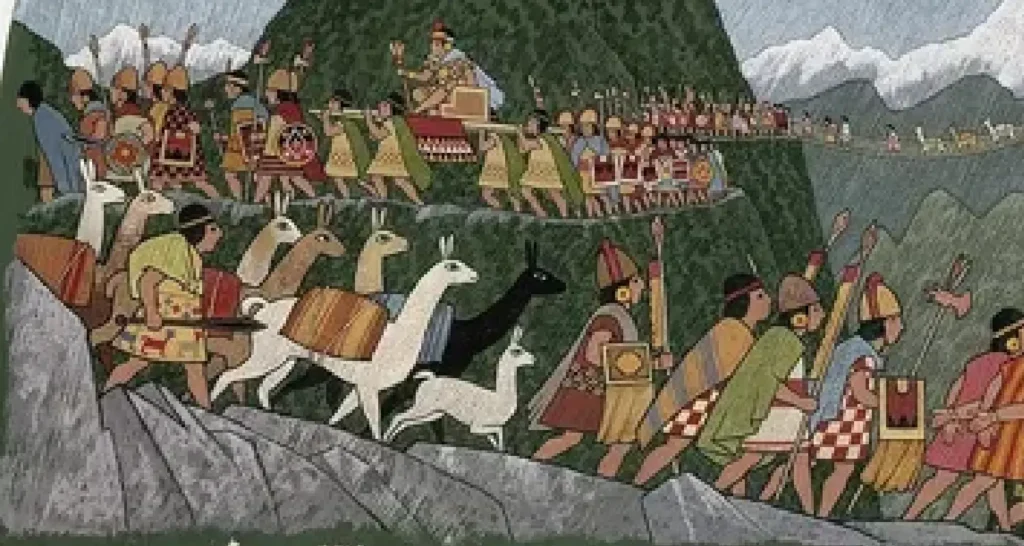
Vicuña vs Alpaca: What Is the Difference?
Vicuña vs Alpaca Comparison
Many travelers ask about the difference between a vicuña vs alpaca. Although both belong to the camelid family, they have several important differences.
Wild vs Domesticated
The biggest difference is that vicuñas are wild animals. Alpacas are domesticated and raised by Andean communities for wool production.
You will usually see alpacas near villages and farms around Cusco and the Sacred Valley. Vicuñas live in remote mountain regions.
Fiber Quality
Vicuña wool is much finer and rarer than alpaca wool. This makes vicuña fiber more valuable worldwide.
Alpaca wool is still very soft and warm. However, vicuña fiber remains the luxury standard in the textile industry.
Appearance Differences
Vicuñas are slimmer and smaller than alpacas. They also have shorter fur and a more delicate appearance.
Alpacas often look fluffier because of their thick wool coats.
Best Places to See Vicuñas in Peru
Ausangate Mountain: The Best Destination for Vicuñas
Why Visit Ausangate Mountain?
Ausangate Mountain is one of the best places in Peru to observe vicuñas in their natural environment. This sacred mountain stands near Cusco and reaches over 6,300 meters above sea level.
The region offers dramatic landscapes filled with glaciers, lagoons, and colorful mountains. Travelers exploring the Ausangate Trek frequently encounter vicuñas along remote trails.
Wildlife Around Ausangate
Besides vicuñas, visitors may also see:
- Alpacas
- Llamas
- Condors
- Andean foxes
- Highland birds
The peaceful environment makes Ausangate one of Peru’s most authentic travel experiences.
Sacred Valley and Cusco Highlands
Discover Vicuñas Near Cusco
The Sacred Valley and surrounding Cusco regions also provide opportunities to see vicuñas. Many travelers visit local conservation centers where they can learn about Andean camelids.
These experiences help visitors understand the importance of preserving Peru’s biodiversity and cultural heritage.
Cultural Experiences in the Sacred Valley
The Sacred Valley combines natural beauty with rich history. Travelers can visit:
- Traditional weaving communities
- Inca archaeological sites
- Local markets
- Andean villages
Many tours include educational demonstrations about alpaca and vicuña wool production.
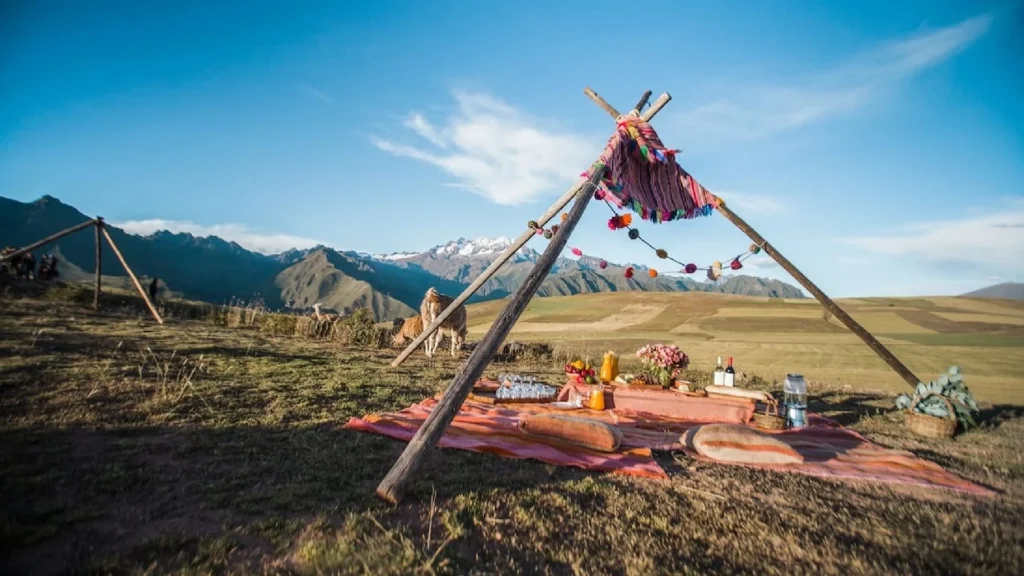
Machu Picchu and the Vicuña Connection
Can You See Vicuñas Near Machu Picchu?
Although vicuñas are less common around Machu Picchu, travelers visiting the region often encounter other Andean camelids. However, routes connecting Cusco, the Sacred Valley, and Ausangate offer excellent opportunities to see vicuñas before reaching Machu Picchu.
Combining wildlife experiences with cultural destinations creates a complete Peru adventure.
Why Combine Machu Picchu with Andean Wildlife Tours?
Travelers who visit Machu Picchu often want more than historical sites. Exploring Peru’s mountain ecosystems adds depth to the journey.
A travel itinerary that includes:
- Cusco
- Sacred Valley
- Ausangate Mountain
- Rainbow Mountain
- Machu Picchu
allows visitors to experience Peru’s incredible diversity.
The Cultural Importance of Vicuñas in Peru
Vicuñas in Inca History
The Inca civilization respected the vicuña deeply. Ancient rulers organized ceremonial gatherings called “Chaccu” to capture and shear vicuñas without harming them.
This tradition still exists today in some Andean communities. It represents sustainable wildlife management and respect for nature.
Modern Conservation Efforts
Peru protects vicuñas through national conservation programs. These efforts helped the species recover after years of illegal hunting.
Today, travelers can support conservation by choosing responsible tourism experiences in Cusco and the Andes.
Travel Tips for Seeing Vicuñas in Peru
Best Time to Visit
The dry season from May to September offers the best conditions for spotting vicuñas. During these months, the skies remain clear and trekking routes are more accessible.
Many travelers visit Peru during this season to combine:
- Machu Picchu tours
- Sacred Valley excursions
- Ausangate trekking
- Rainbow Mountain hikes
What to Bring
High-altitude regions can be cold and unpredictable. Travelers should bring:
- Warm clothing
- Hiking boots
- Sunscreen
- Sunglasses
- Water bottles
- Camera equipment
The mountain sunlight is intense even during cold weather.
Respect Wildlife
Visitors should never feed or chase vicuñas. Observing them quietly helps protect their natural behavior.
Responsible tourism preserves Peru’s fragile ecosystems for future generations.
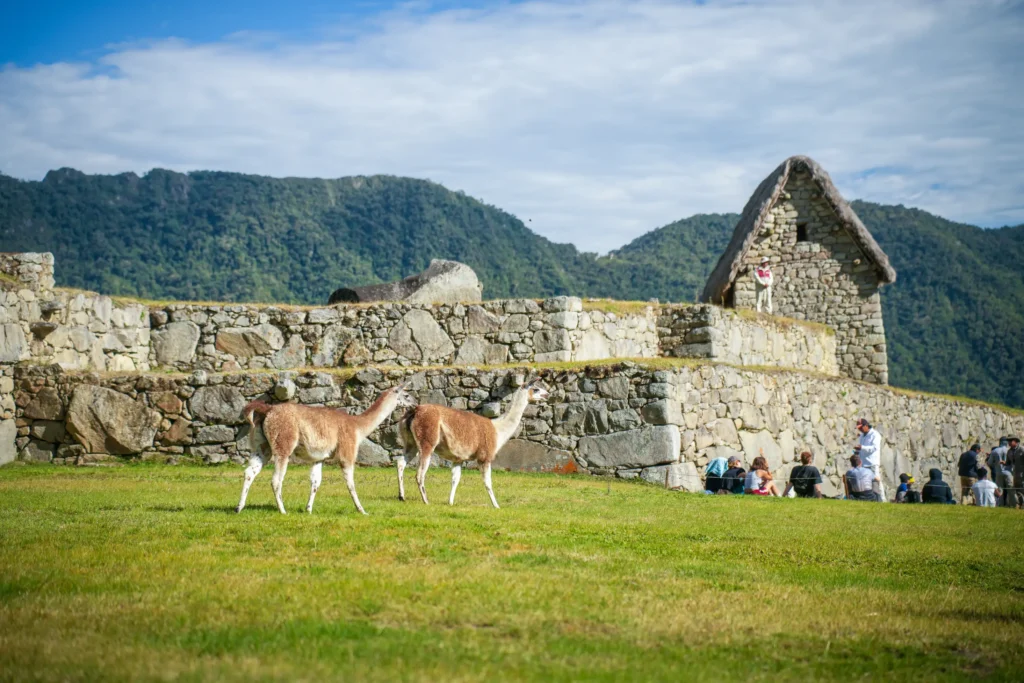
Why the Vicuña Animal Represents Peru
The vicuña animal reflects the spirit of the Andes. Its beauty, resilience, and historical significance make it one of Peru’s greatest natural treasures.
Travelers exploring Cusco, the Sacred Valley, Ausangate Mountain, and Machu Picchu often discover that Peru offers much more than ancient ruins. The country also protects incredible wildlife and living traditions.
Understanding what is a vicuña helps visitors connect with Peru’s culture and landscapes on a deeper level. Whether you compare a vicuña vs alpaca or search for vicuña animals in the mountains, these graceful creatures create unforgettable memories.
Peru’s Andean regions continue inspiring travelers from around the world. Seeing vicuñas in their natural habitat is an experience that combines adventure, culture, and nature in one extraordinary journey.