

Discover the Quechua People and Their Living Culture in Peru
The Quechua culture remains one of the most fascinating living traditions in South America. Travelers visiting Peru often hear the word “Quechua” while exploring Cusco, the Sacred Valley, and Machu Picchu. However, many visitors still ask: what is Quechua, and why is it important in Peru today?
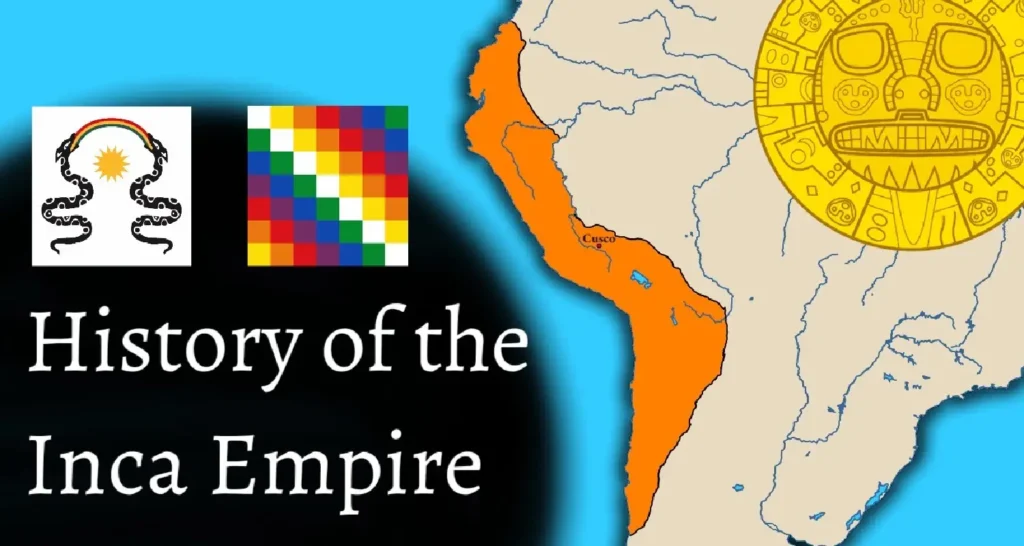
The Quechua people are descendants of ancient Andean civilizations, including communities connected to the Inca Empire. Today, millions of people across Peru, Bolivia, Ecuador, and other Andean countries continue speaking the Quechua language while preserving their traditions, clothing, music, and spiritual beliefs.
Traveling through Peru offers the perfect opportunity to experience authentic Quechua communities. Visitors can discover traditional markets, colorful festivals, local farming practices, and centuries-old customs that still define daily life in the Andes. The Quechua heritage is not part of the past alone. It remains alive in modern Peru.
This guide explores the history, language, traditions, clothing, and culture of the Quechua people while helping travelers better understand the heart of the Andes.
What Is Quechua?
Understanding the Meaning of Quechua
Many travelers ask, “What is Quechua?” The answer includes both a language and a cultural identity. Quechua refers to the indigenous people of the Andes and the native language spoken across several South American countries.
The Quechua language became widely used during the Inca Empire because it allowed communication across vast territories. Even after the Spanish conquest, Quechua survived and continues thriving today. Peru officially recognizes Quechua as one of its national languages.
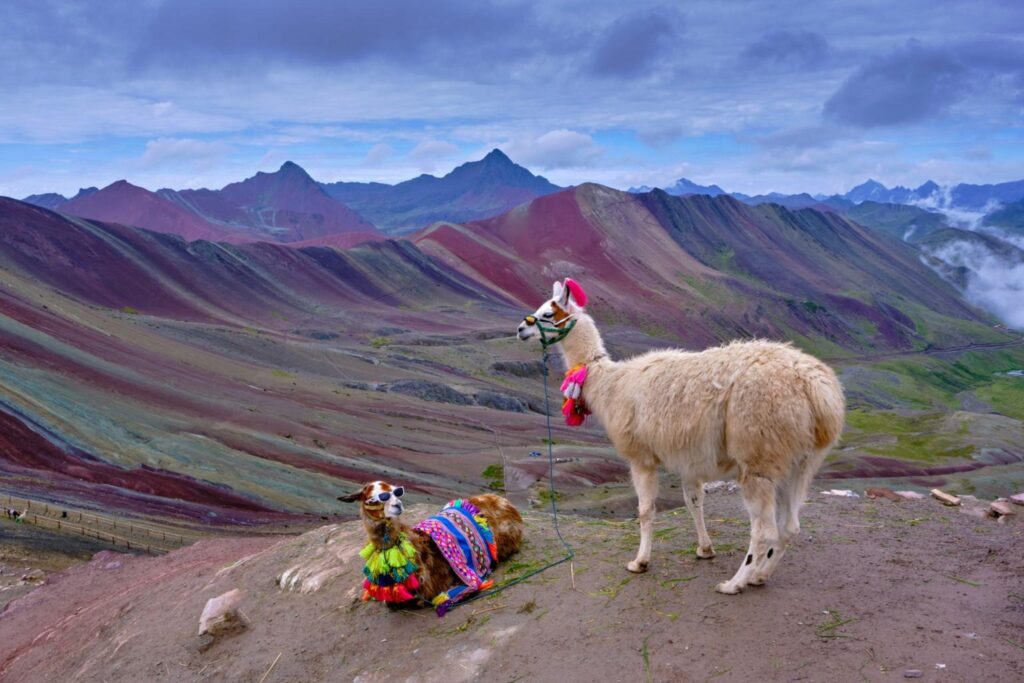
Millions of Quechuas still live throughout the Peruvian Andes. They maintain agricultural traditions, textile techniques, and spiritual customs passed through generations. Travelers visiting mountain villages often hear Quechua spoken in homes, markets, and ceremonies.
The Quechua culture represents resilience, community, and a deep connection with nature.
The History of the Quechua People
The Origins of the Quechua Civilization
The Quechua people existed long before the rise of the Inca Empire. Ancient Andean communities developed advanced farming systems, irrigation canals, and mountain terraces thousands of years ago.
When the Incas expanded their empire, they adopted the Quechua language as the official language of administration and communication. This decision helped spread Quechua across the Andes.
After Spanish colonization, indigenous communities faced oppression and cultural changes. Despite these challenges, the Quechuas preserved their identity through oral traditions, farming knowledge, and family customs.
Today, the Quechua people remain one of the largest indigenous populations in South America. Travelers exploring Cusco and the Sacred Valley frequently meet local families who proudly maintain their ancestral heritage.
Quechua Communities in Modern Peru
Modern Quechua communities continue living in regions such as Cusco, Puno, Ayacucho, Apurímac, and the Sacred Valley. Many families combine traditional lifestyles with modern tourism opportunities.
Visitors often participate in cultural experiences where Quechua families demonstrate weaving techniques, farming traditions, and local gastronomy. These experiences create meaningful cultural exchanges while supporting rural communities.
The Importance of the Quechua Language
Why the Quechua Language Still Matters
The Quechua language remains one of the most widely spoken indigenous languages in the Americas. In Peru alone, millions of people continue using Quechua in daily life.
Learning a few Quechua words can enrich any travel experience in Peru. Local communities appreciate visitors who show interest in their language and traditions.
The language reflects Andean values connected to nature, family, and collective work. Many Quechua expressions describe mountains, rivers, weather, and agricultural activities.
Common Quechua Words Travelers Should Know
Here are some popular Quechua words visitors may hear during their trip:
- Rimaykullayki – Hello
- Sulpayki – Thank you
- Inti – Sun
- Pachamama – Mother Earth
- Ayllu – Community or family group
- Wasi – House
These Quechua words help travelers better connect with local communities during cultural tours and village visits.
Quechua Language and Tourism
Tourism has helped increase interest in the Quechua language. Many tour guides now include basic Quechua lessons during Sacred Valley and Machu Picchu tours.
Visitors often discover that understanding local traditions creates more authentic travel experiences. Learning about the Quechua language helps travelers appreciate Peru beyond famous archaeological sites.
Quechua Traditional Dress and Textile Art
The Beauty of Quechua Traditional Dress
One of the most recognizable aspects of Quechua culture is the colorful traditional clothing worn throughout the Andes. The Quechua traditional dress reflects regional identity, marital status, and local customs.
Women in Quechua communities often wear layered skirts, embroidered blouses, woven shawls, and beautifully decorated hats. Each village may use different colors and textile patterns.
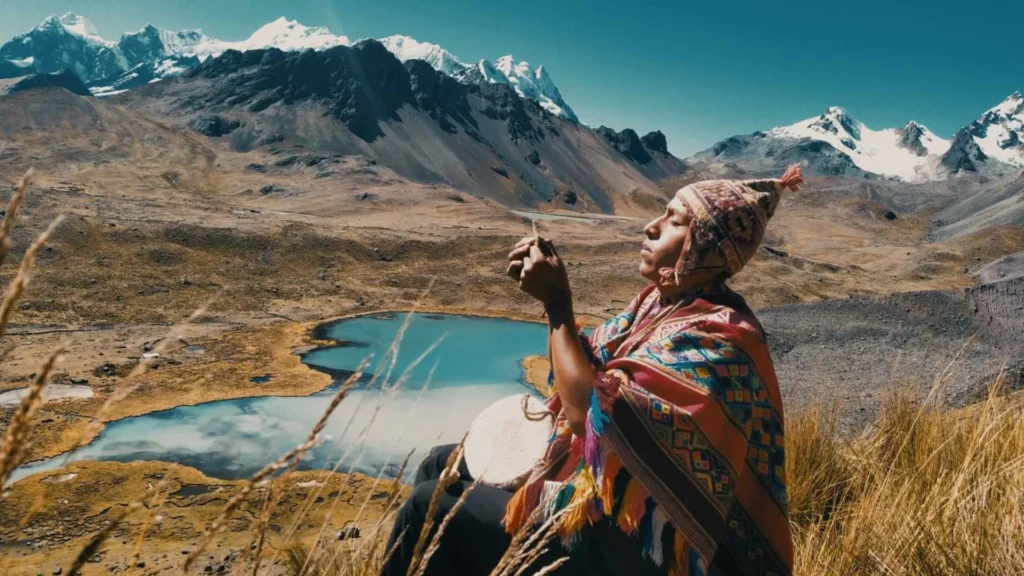
Quechua men traditionally wear ponchos, wool hats, and handwoven garments designed for cold mountain climates. Alpaca and sheep wool remain essential materials in Andean clothing production.
The Role of Textiles in Quechua Culture
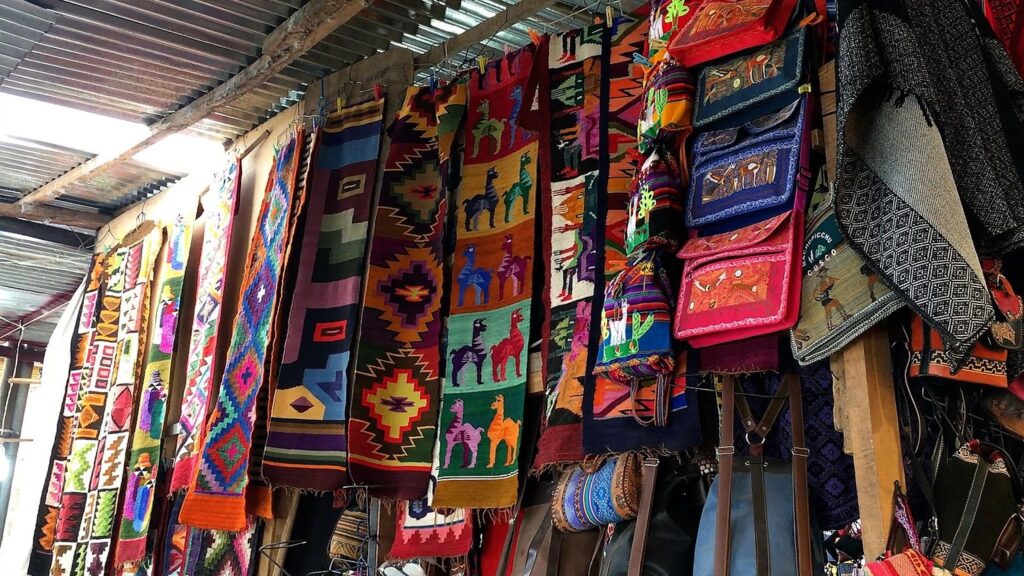
Textile weaving represents one of the oldest traditions among the Quechua people. Families pass weaving techniques from one generation to another.
Natural dyes created from plants, minerals, and insects produce vibrant colors seen in Quechua textiles. Each design often carries symbolic meanings connected to mountains, animals, rivers, or spiritual beliefs.
Travelers visiting weaving communities near Cusco and Chinchero can observe demonstrations and support local artisans directly.
Quechua Women and Community Life
The Role of Quechua Women in Andean Society
Quechua women play an essential role in preserving Andean traditions and cultural identity. They manage households, maintain farming practices, care for animals, and continue traditional weaving techniques.
In many mountain communities, Quechua women participate actively in local markets where they sell handmade textiles, vegetables, potatoes, corn, and medicinal herbs.
Travelers often admire the strength and resilience of Quechua women while visiting remote Andean villages.
Quechua Women and Traditional Knowledge
Many ancestral practices survive because Quechua women continue teaching younger generations about weaving, cooking, farming, and spiritual customs.
Traditional ceremonies honoring Pachamama remain important in rural communities. These rituals express gratitude for harvests, water, and the surrounding mountains.
Visitors who respectfully engage with local communities gain deeper insight into authentic Andean culture.
The Quechua Flag and Cultural Symbols
Understanding the Quechua Flag
The colorful rainbow flag often associated with Cusco is commonly linked to Quechua and Andean identity. Many travelers refer to it as the Quechua flag.
The rainbow design symbolizes diversity, unity, and the connection between Andean communities. It appears frequently during festivals, cultural celebrations, and official events in Cusco.
Although some visitors confuse it with other rainbow flags, the Andean version represents indigenous heritage and regional pride.
Important Symbols in Quechua Culture
Quechua culture includes many spiritual and natural symbols connected to the Andean worldview.
Some important symbols include:
- Pachamama – Mother Earth
- Apus – Sacred mountain spirits
- Condor – Spiritual messenger
- Chakana – The Andean cross symbolizing cosmic balance
These symbols continue influencing ceremonies, textiles, architecture, and local traditions across Peru.
Visiting Quechua Communities in Peru
Best Places to Experience Quechua Culture
Travelers interested in authentic cultural tourism can visit several Quechua communities throughout Peru.
Cusco and the Sacred Valley
Cusco remains one of the best destinations to experience Quechua culture. Local markets, festivals, and villages preserve strong indigenous traditions.
The Sacred Valley offers opportunities to visit weaving communities, agricultural terraces, and traditional markets where Quechua customs remain part of daily life.
Chinchero
Chinchero is famous for its textile traditions and indigenous heritage. Visitors can observe weaving demonstrations and learn about natural dye techniques.
Lake Titicaca
Quechua communities near Lake Titicaca maintain ancient agricultural practices and spiritual ceremonies connected to the lake and surrounding mountains.
Ausangate Region
The Ausangate region offers cultural trekking experiences where travelers interact with remote Quechua families while exploring breathtaking Andean landscapes.
Quechua Festivals and Celebrations
Traditional Quechua Festivals in Peru
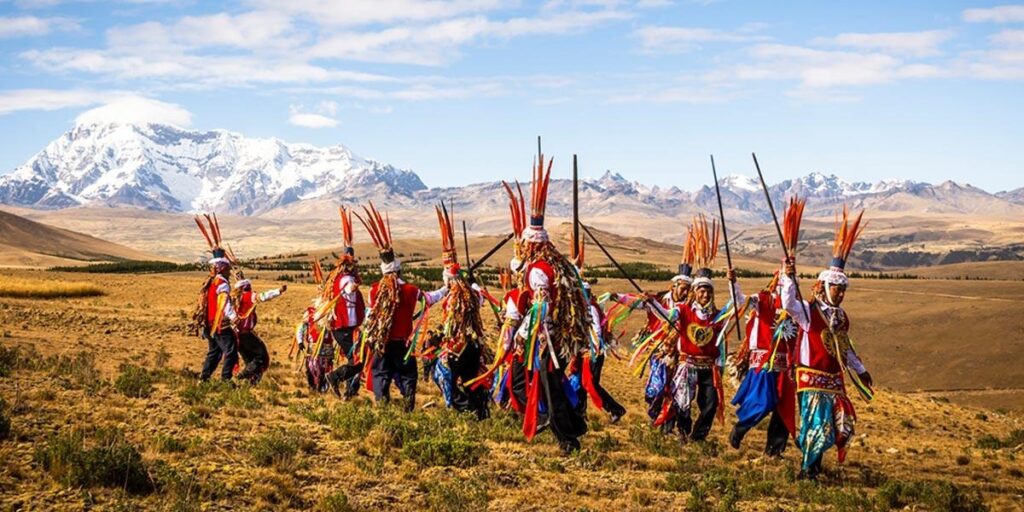
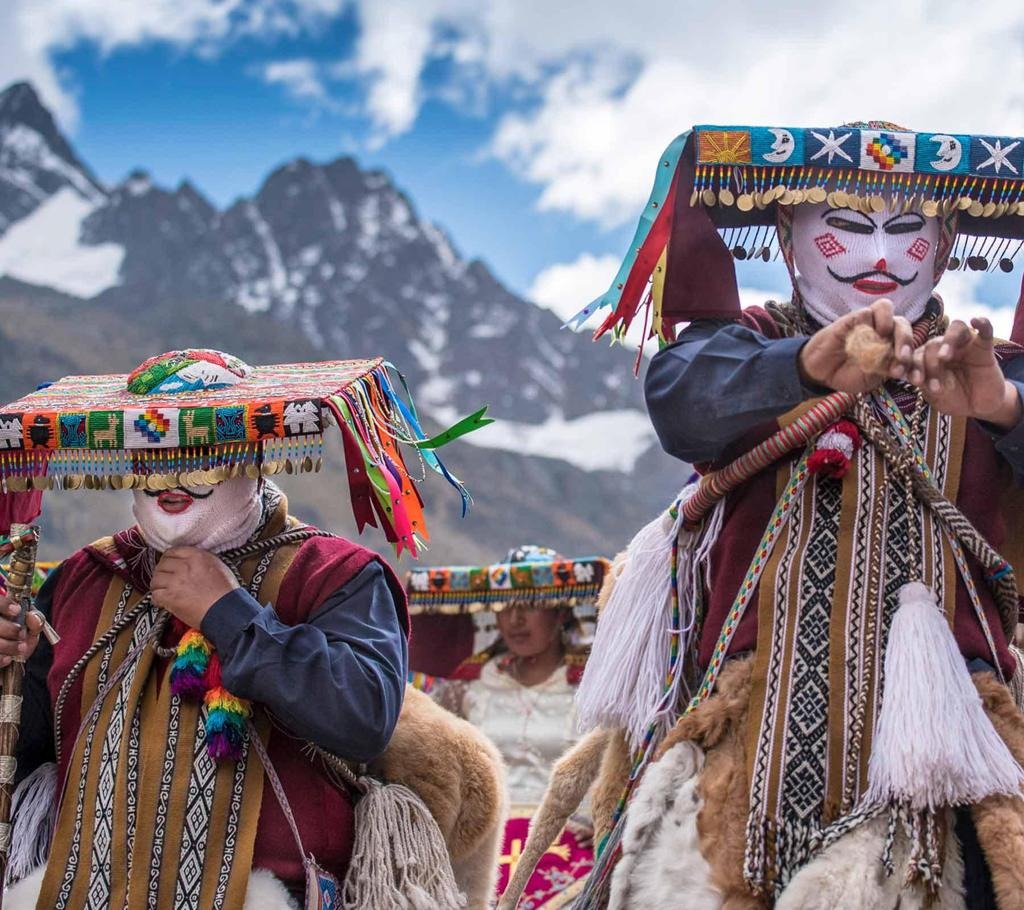
Festivals represent an important part of Quechua culture. These celebrations combine music, dance, religion, and community participation.
Inti Raymi
Inti Raymi, the Festival of the Sun, remains one of Peru’s most famous cultural celebrations. This festival honors Inti, the sun god worshipped during Inca times.
Thousands of visitors travel to Cusco every June to witness colorful ceremonies inspired by ancient traditions.
Qoyllur Rit’i
Qoyllur Rit’i combines Catholic and indigenous beliefs in a unique mountain pilgrimage near Cusco. Pilgrims walk through high-altitude landscapes while participating in dances and rituals.
This celebration reflects the spiritual depth of Quechua culture.
Why Travelers Should Learn About Quechua Culture
The Importance of Responsible Cultural Tourism
Understanding the Quechua people helps travelers experience Peru in a more meaningful way. Beyond Machu Picchu, the Andes offer living traditions that continue shaping local identity.
Responsible tourism supports indigenous communities by encouraging cultural preservation and economic opportunities. Travelers can contribute positively by respecting local customs, purchasing handmade products, and participating in ethical cultural experiences.
Learning about the Quechua language, traditions, and history creates deeper connections with Peru and its people.
Final Thoughts About Quechua Peru
The Quechua culture represents the living soul of the Andes. From the Quechua language and traditional dress to sacred ceremonies and weaving traditions, this heritage continues inspiring travelers from around the world.
Visiting Quechua communities allows travelers to discover authentic Peru beyond popular tourist attractions. The warmth of the Quechua people, combined with breathtaking Andean landscapes, creates unforgettable experiences rooted in history and tradition.
For anyone planning a journey through Peru, learning about Quechua culture adds cultural depth, historical understanding, and genuine human connection to every adventure.