

Cusco is not just a destination,it’s the gateway to the heart of the Inca Empire and one of the most fascinating places in South America. Located high in the Peruvian Andes at 3,400 meters above sea level, this ancient city blends breathtaking landscapes, rich history, and vibrant living culture into a truly unforgettable experience.
Once the capital of the Inca civilization, still preserves its legacy in every corner, from the perfectly carved stone walls and colonial architecture to the traditions of the Quechua people who continue to keep their ancestral heritage alive. Walking through its cobblestone streets feels like stepping back in time, where past and present coexist in a unique harmony.
From the legendary Machu Picchu,one of the New Seven Wonders of the World, to the colorful natural wonder of Rainbow Mountain, and the fertile, history-filled Sacred Valley of the Incas, tours in Cusco offer an incredible variety of experiences. Whether you’re seeking cultural immersion, scenic landscapes, or high-altitude adventure, this region has it all.
Cusco is also the starting point for some of the most iconic treks in the world, including the Inca Trail, Salkantay Trek, and the challenging Ausangate circuit. Along the way, travelers can discover ancient ruins, remote Andean communities, glacial lakes, and snow-capped peaks that define the beauty of Peru.
Whether you’re planning your first visit or returning for a deeper exploration, this complete guide will help you discover the best tours in Cusco,from classic highlights to off-the-beaten-path adventures you simply cannot miss.
BEST TOURS IN CUSCO
1. Machu Picchu Tour (Full Day or 2 Days)
Machu Picchu is one of the New Seven Wonders of the World and Peru’s most iconic destination. Hidden high in the Andes and surrounded by lush cloud forests, this ancient Inca citadel is a masterpiece of engineering, spirituality, and natural beauty that continues to captivate travelers from around the globe.
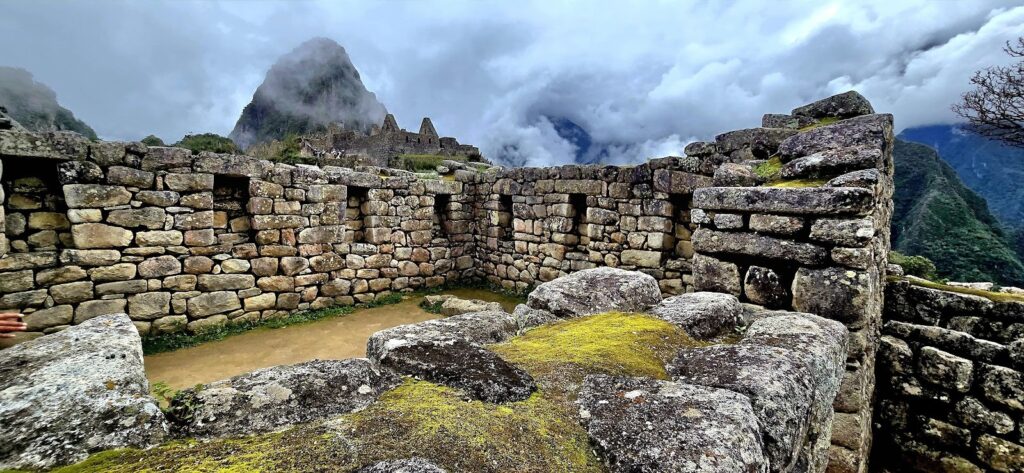
Built in the 15th century during the reign of the Inca emperor Pachacuti, Machu Picchu remained hidden from the outside world for centuries until its rediscovery in 1911. Today, it stands as a symbol of the Inca Empire’s brilliance, perfectly integrated into the mountain landscape with terraces, temples, and ceremonial structures that align with astronomical events.
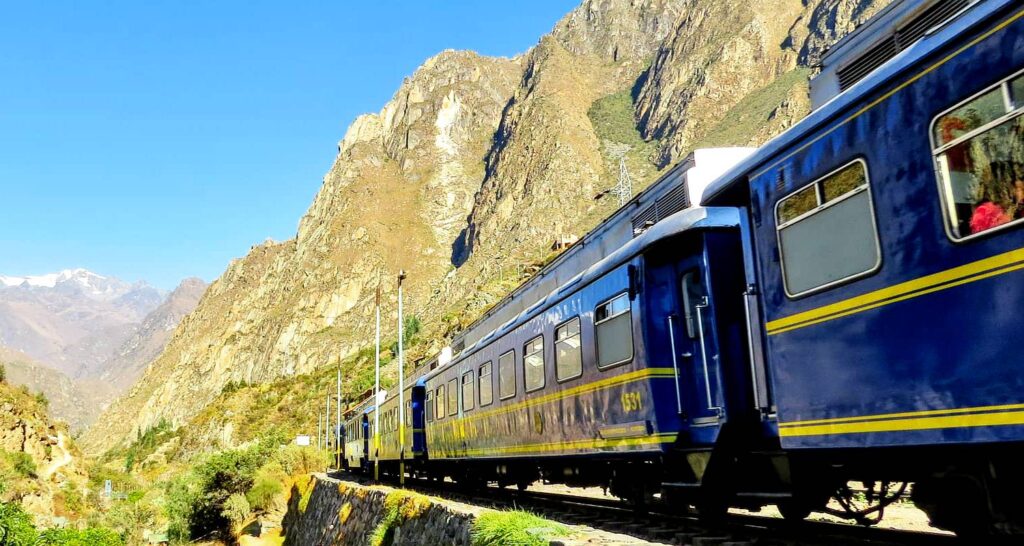
The journey to Machu Picchu is just as unforgettable as the destination itself. Most tours begin with a scenic train ride through the Sacred Valley, following the Urubamba River and passing dramatic canyon views, traditional villages, and dense jungle landscapes before reaching Aguas Calientes, the gateway to the citadel.
Once inside, visitors can explore different circuits that lead through iconic landmarks such as the Temple of the Sun, the Intihuatana stone, and the agricultural terraces that cascade down the mountainside. For those seeking even more adventure, optional hikes like Huayna Picchu or Machu Picchu Mountain offer breathtaking panoramic views from above.
Highlights:
- UNESCO World Heritage Site and global cultural treasure
- Spectacular panoramic views of the Andes mountains
- Advanced Inca architecture, temples, and agricultural terraces
- Scenic train journey through the Sacred Valley
- Optional hikes to Huayna Picchu or Machu Picchu Mountain
- Rich history, mystery, and spiritual significance
Duration: 1–2 days
Difficulty: Moderate
Tips:Book your tickets in advance, especially during high season (May to September), as daily visitor numbers are limited and circuits can sell out quickly.
2. Sacred Valley of the Incas Tour
The Sacred Valley of the Incas is one of the most beautiful and culturally rich regions in Peru. Stretching between Cusco and Machu Picchu, this fertile valley follows the course of the Urubamba River and was once a vital agricultural, spiritual, and political center of the Inca Empire.
Thanks to its lower altitude compared to Cusco, the Sacred Valley offers a milder climate, making it an ideal place to acclimatize while exploring breathtaking landscapes, ancient archaeological sites, and traditional Andean communities. It’s the perfect introduction to Inca culture before continuing your journey to Machu Picchu.
Beyond its natural beauty, the valley is still deeply connected to its ancestral roots. Visitors can interact with local Quechua communities, visit artisan markets, and witness traditional farming and weaving techniques that have been preserved for generations.
A typical Sacred Valley tour combines history, culture, and scenery in a single day, offering a well-balanced and enriching experience for all types of travelers.
Top places to visit:
- Pisac ruins and market – impressive hilltop terraces and one of the most famous traditional markets in the Andes
- Moray agricultural terraces – a unique circular Inca site believed to be an ancient agricultural laboratory
- Maras salt mines – thousands of salt pools carved into the mountainside, still harvested by local families
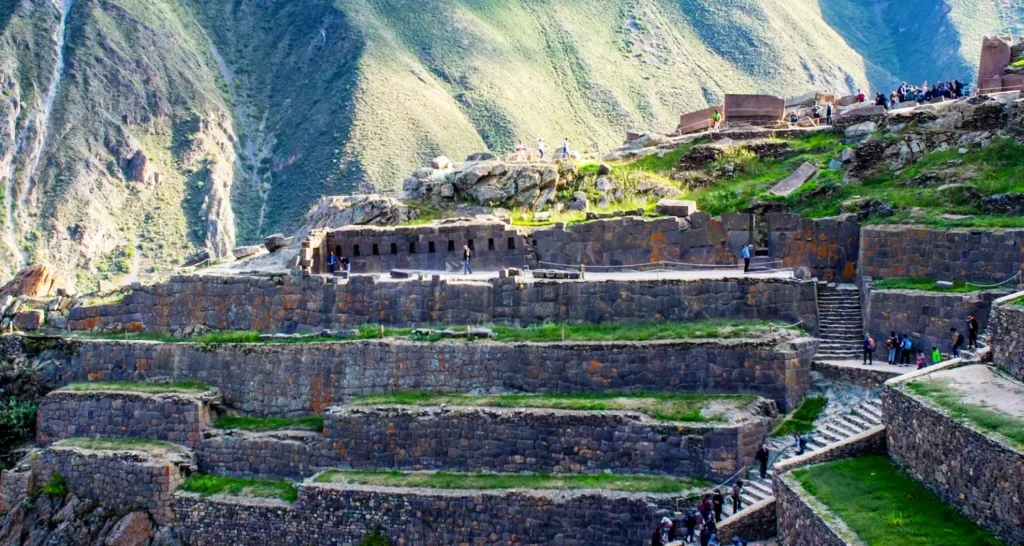
- Ollantaytambo fortress – a massive Inca archaeological complex and one of the best-preserved living Inca towns
Highlights:
- Stunning Andean landscapes and panoramic viewpoints
- Rich Inca history and well-preserved archaeological sites
- Authentic cultural experiences with local communities
- Ideal acclimatization area before visiting Machu Picchu
Duration: 1 day
Difficulty: Easy to Moderate
Tips:Consider staying overnight in the Sacred Valley instead of returning to Cusco. This allows for a more relaxed experience and a smoother connection to Machu Picchu the following day.
3. Ausangate Mountain Trek (4–7 Days)
For adventure seekers, the Ausangate Trek is one of the most spectacular and remote high-altitude hikes in Peru. This unforgettable journey circles the sacred Ausangate Mountain (6,384m), the highest peak in the Cusco region and one of the most revered “Apus” (mountain spirits) in Andean cosmology.
Unlike more crowded routes like the Inca Trail, the Ausangate trek offers a truly off-the-beaten-path experience. Here, you’ll walk through untouched landscapes of snow-capped peaks, vast highland plains, turquoise glacial lakes, and colorful mineral mountains, all while immersed in the raw beauty of the Andes.
This trek is not only about scenery but also about cultural connection. Along the route, you’ll encounter remote Quechua communities that still live according to ancient traditions, herding alpacas and wearing vibrant handmade textiles. It’s a rare opportunity to experience authentic Andean life far from mass tourism.
Due to the extreme altitude (often above 5,000 meters), the Ausangate trek is considered physically demanding, but incredibly rewarding for those who are well acclimatized and prepared for the challenge.
- Rainbow Mountain (Vinicunca) – world-famous for its striking natural colors
- Red Valley – a surreal and less crowded extension near Rainbow Mountain
- Glacial lakes – stunning turquoise lagoons like Pucacocha and Ausangatecocha
- Hot springs in Pacchanta – perfect for relaxing after long trekking days
- Wildlife encounters – alpacas, vicuñas, llamas, and Andean condors
- Snow-capped peaks and dramatic high-altitude passes over 5,000m
What makes it special:
- One of the most scenic treks in South America
- Minimal crowds compared to other routes
- Deep cultural immersion with local communities
- Ideal for experienced hikers seeking a real challenge
Duration: 4–7 days
Difficulty: Challenging
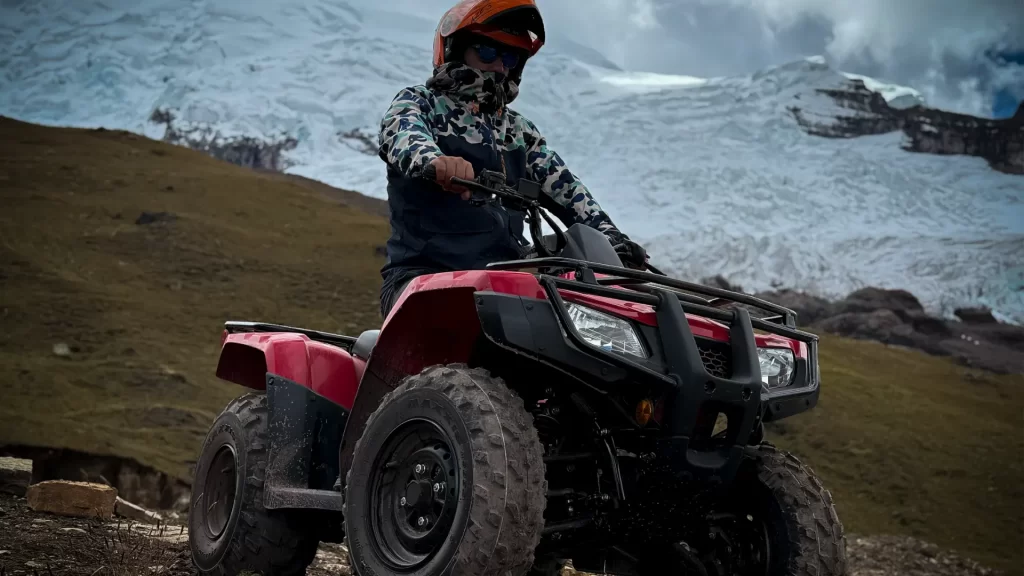
Tips:Proper acclimatization is essential. Spend at least 2–3 days in Cusco before starting the trek, and consider hiring a local guide or tour operator for safety, logistics, and cultural insight.
4. Rainbow Mountain Tour (Day Trip)
Rainbow Mountain, also known as Vinicunca or the “Mountain of Seven Colors,” is one of the most extraordinary natural attractions in Peru. Its vibrant stripes of red, yellow, green, and turquoise are the result of mineral deposits formed over millions of years, creating a surreal landscape that looks almost otherworldly.
Located deep in the Andes, near the Ausangate mountain range, Rainbow Mountain has quickly become one of the most popular day tours from Cusco. Despite its growing fame, the experience still feels adventurous, as the journey takes you through remote high-altitude valleys surrounded by snow-capped peaks and herds of alpacas.
The hike to the viewpoint is relatively short but physically demanding due to the altitude. Along the way, travelers are rewarded with breathtaking scenery, unique geological formations, and a sense of accomplishment upon reaching over 5,000 meters above sea level.
For those looking to enhance the experience, the nearby Red Valley offers an even more dramatic and less crowded landscape, with deep red mountains stretching endlessly across the horizon.
Highlights:
- Unique rainbow-colored mountain formed by natural minerals
- Stunning views of the Andes and Ausangate region
- Opportunity to see alpacas and local Andean communities
- Optional visit to the Red Valley for fewer crowds and epic views
- One of the most Instagrammable locations in Peru
Quick facts:
- Altitude: over 5,000 meters (16,400 ft)
- Departure time: very early (3:00 – 4:00 AM)
- Hiking time: 1.5 to 2 hours uphill (approx.)
- Optional: horse rental available for part of the route
- Difficulty: Moderate to Challenging
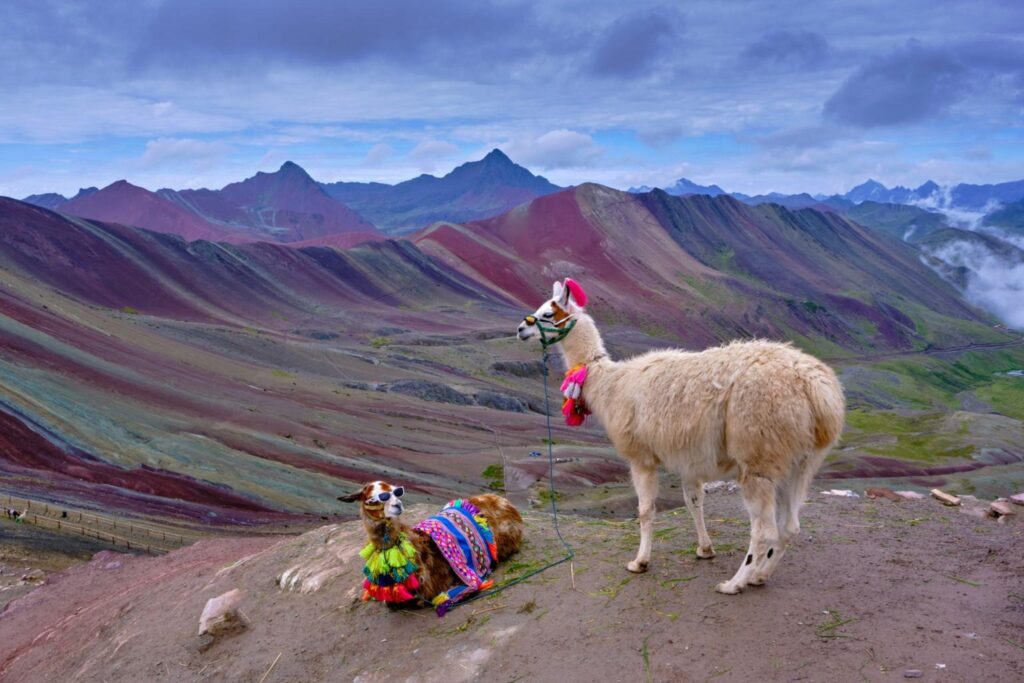
Travel Tip:Due to the extreme altitude, it’s essential to acclimatize in Cusco for at least 2 days before visiting. Dress in layers, bring water, snacks, and sun protection, as weather conditions can change rapidly.
WHY VISIT CUSCO?
Cusco offers a unique and powerful blend of history, nature, and living culture that few destinations in the world can match. Once the capital of the vast Inca Empire, today it remains the cultural heart of Peru and the main gateway to some of the most iconic attractions in South America.
What makes Cusco truly special is the way ancient traditions and modern life coexist. You can walk along original Inca stone streets, admire colonial architecture built on Inca foundations, and experience centuries-old customs that are still part of daily life in the Andes.
Surrounded by dramatic mountain landscapes, Cusco is also a paradise for nature lovers and adventure seekers. From scenic valleys and high-altitude lakes to snow-capped peaks and world-famous trekking routes, the region offers endless opportunities for exploration.
- Former capital of the Inca Empire – a city rich in history, archaeology, and monumental architecture
- Gateway to Machu Picchu – the starting point for visiting one of the world’s greatest wonders
- Rich Quechua traditions still alive – authentic culture, colorful festivals, and ancestral knowledge
- Incredible mountain landscapes – Andes views, Sacred Valley, glaciers, and high-altitude scenery
- World-class trekking routes – Inca Trail, Salkantay, Ausangate, and more
- Vibrant local life – markets, gastronomy, art, and traditional crafts
Whether you’re interested in history, culture, photography, or adventure, Cusco delivers an unforgettable travel experience that goes far beyond expectations.
Travel Tip: Take time to explore the city itself — visit local markets, try traditional Peruvian cuisine, and walk through neighborhoods like San Blas to fully appreciate the essence of Cusco beyond the main tours.
TRAVEL TIPS FOR CUSCO
Planning ahead can make a huge difference in your experience. Due to its high altitude and diverse climate, Cusco requires a bit of preparation to fully enjoy everything it has to offer.
Acclimatization is key
Cusco sits at 3,400 meters above sea level, so altitude sickness can affect many travelers.
- Spend at least 2–3 days in Cusco or the Sacred Valley before doing high-altitude tours like Rainbow Mountain or Ausangate
- Drink coca tea or stay hydrated throughout the day
- Avoid alcohol and heavy meals during your first days
- Take it slow, rest, walk lightly, and let your body adjust naturally
Best time to visit
Cusco can be visited year-round, but the experience varies depending on the season:
- Dry season (April to October):
- Best time for trekking and outdoor tours
- Clear skies and excellent mountain views
- Peak tourist season (May to September)
- Rainy season (November to March):
- Lush green landscapes and fewer crowds
- Higher chance of rain, especially in January and February
- Some treks like the Inca Trail may close temporarily (February)
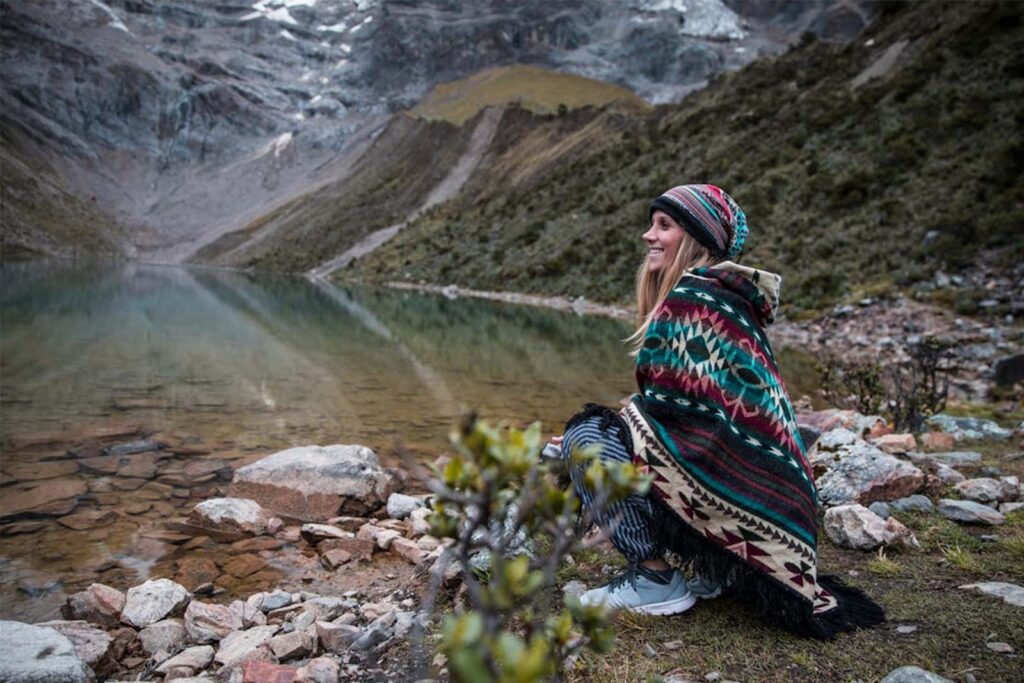
What to pack
Packing properly is essential due to changing weather conditions:
- Warm layers – temperatures can vary drastically between day and night
- Waterproof jacket or poncho – especially during rainy season
- Sunscreen & sunglasses – UV radiation is strong at high altitude
- Comfortable hiking shoes – for uneven terrain and long walks
- Reusable water bottle – stay hydrated and reduce plastic use
- Hat and gloves – mornings and evenings can be very cold
- Snacks or energy bars – helpful during long tours
Money and payments
- Carry cash (Peruvian soles) for small purchases, markets, and rural areas
- ATMs are widely available in Cusco city
- Credit cards are accepted in most hotels and restaurants, but not everywhere
Book in advance
- Reserve Machu Picchu tickets and train tickets early, especially in high season
- Popular treks like the Inca Trail sell out months in advance
- Booking with a reliable local operator ensures better organization and safety
Respect local culture
- Ask permission before taking photos of people
- Support local communities by buying handmade products
- Be mindful of traditions and sacred sites
Stay connected & safe
- Cusco is generally safe, but always take normal precautions
- Use official taxis or transport services
- Internet and WiFi are widely available in hotels and cafes
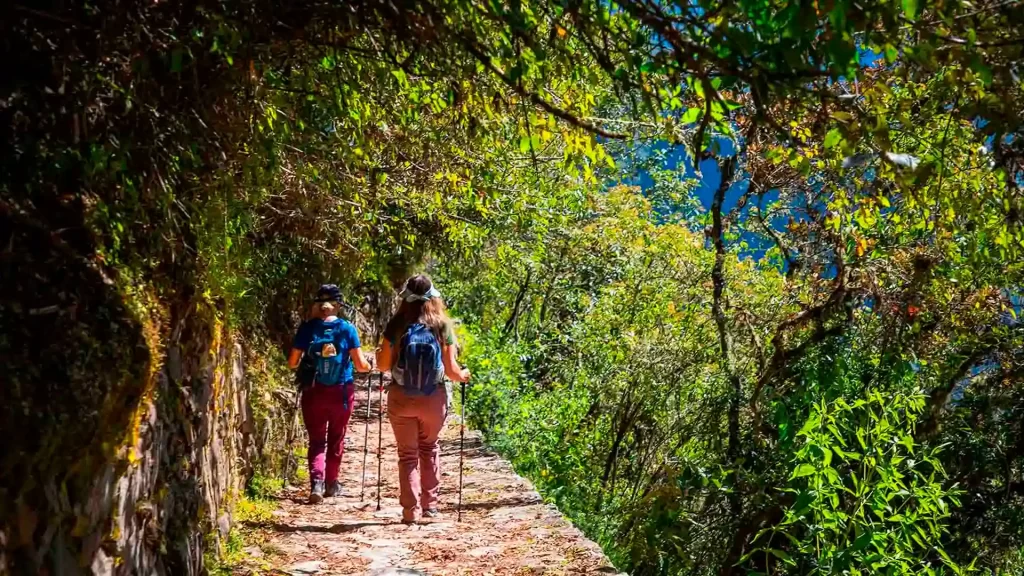
Pro Tip:If possible, start your trip in the Sacred Valley (lower altitude) instead of Cusco. This helps your body acclimatize more comfortably before heading to higher elevations.
TOP DESTINATIONS NEAR CUSCO
Cusco is surrounded by some of the most breathtaking and diverse landscapes in Peru. From ancient Inca cities to high-altitude lakes and world-famous trekking routes, these destinations offer unforgettable experiences for every type of traveler.
Machu Picchu
The crown jewel of Peru and one of the New Seven Wonders of the World, Machu Picchu is an ancient Inca citadel set high in the Andes. Surrounded by lush cloud forest and dramatic peaks, it offers a perfect combination of history, mystery, and natural beauty.
Sacred Valley of the Incas
A fertile valley rich in history, culture, and stunning scenery. The Sacred Valley is home to traditional villages, Inca ruins, and vibrant markets, making it an essential stop before visiting Machu Picchu.
Rainbow Mountain or Vinicunca Mountain
One of the most unique natural wonders in the world, Rainbow Mountain is famous for its colorful mineral layers and high-altitude landscapes. A challenging but rewarding day trip from Cusco.
Humantay Lake
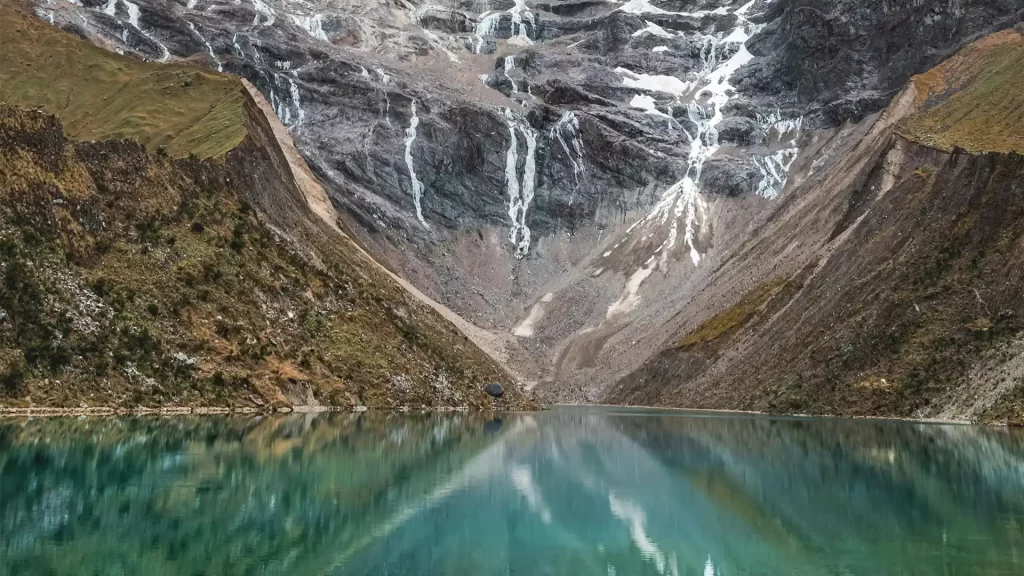
A stunning turquoise glacial lake located at the base of the Humantay Mountain. Known for its vibrant color and breathtaking surroundings, it’s one of the most popular day hikes from Cusco.
- Altitude: 4,200m
- Hiking time: 1.5–2 hours uphill
- Difficulty: Moderate
Salkantay Trek
One of the best alternative routes to Machu Picchu, the Salkantay Trek combines snow-capped mountains, jungle landscapes, and remote trails. It’s perfect for travelers looking for adventure without the crowds of the Inca Trail.
- Duration: 4–5 days
- Difficulty: Moderate to Challenging
Inca Trail
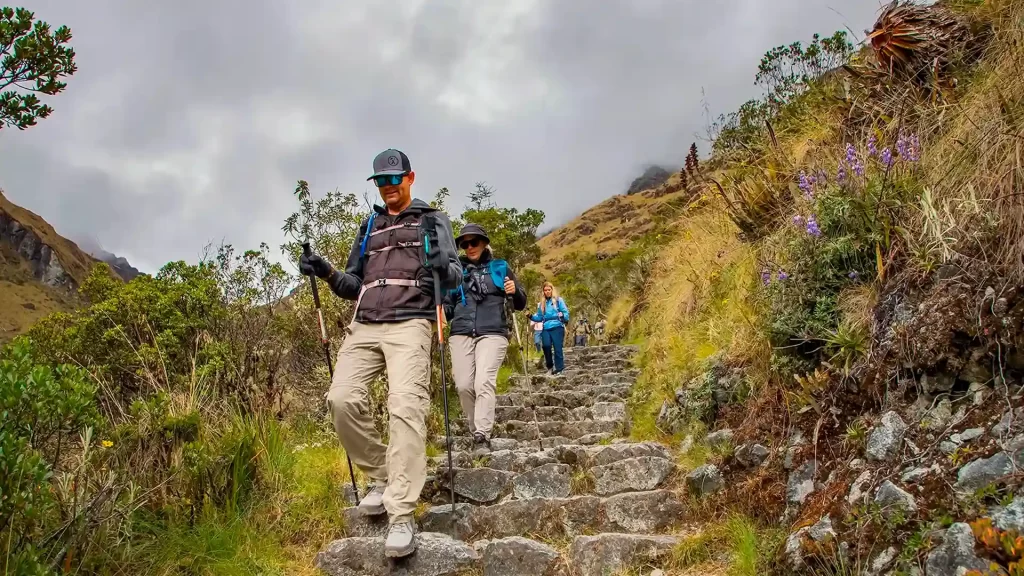
The most famous trekking route in South America, the Inca Trail follows original stone paths built by the Incas and leads directly to Machu Picchu through the Sun Gate (Inti Punku).
- Duration: 4 days (classic route)
- Difficulty: Moderate
- Important: Permits are limited and must be booked months in advance
Why explore beyond Cusco?
Each of these destinations offers a different perspective of the Andes, from ancient history and living culture to raw natural beauty and adventure. Exploring beyond the city allows you to truly understand why Cusco is considered one of the most extraordinary travel destinations in the world.
Tip:Combine multiple destinations in a single itinerary (for example, Sacred Valley + Machu Picchu or Salkantay Trek + Humantay Lake) to maximize your experience and make the most of your time in Cusco.
FREQUENTLY ASKED QUESTIONS
How many days do I need in Cusco?
To fully enjoy Cusco and its main attractions, we recommend spending at least 4 to 6 days. This allows time for proper acclimatization, exploring the city, visiting the Sacred Valley, and taking a trip to Machu Picchu. If you plan to include treks like Salkantay or Ausangate, consider staying longer.
Is Cusco safe for tourists?
Yes, Cusco is generally a safe destination for travelers, especially in tourist areas such as the historic center, San Blas and the Sacred Valley. Like any travel destination, it’s important to take basic precautions such as avoiding poorly lit areas at night, keeping an eye on your belongings, and using official transportation services.
Do I need to book tours in advance?
Yes, it is highly recommended to book tours in advance, especially for popular experiences like Machu Picchu and the Inca Trail. Entrance tickets, train seats, and permits are limited and can sell out weeks or even months ahead, particularly during high season (May to September).
What is the hardest trek in Cusco?
The Ausangate Trek is considered one of the most challenging due to its extreme altitude (over 5,000 meters) and demanding conditions. It requires good physical fitness and proper acclimatization. However, it is also one of the most rewarding and scenic treks in Peru.
What is the best time to visit Cusco?
The best time to visit is during the dry season (April to October), when you can enjoy clear skies and ideal conditions for trekking and sightseeing. The rainy season (November to March) offers greener landscapes but comes with more unpredictable weather.
Do I need to worry about altitude sickness?
Yes, altitude sickness can affect some travelers. To minimize symptoms, spend 2–3 days acclimatizing, stay hydrated, avoid alcohol, and take it easy during your first days. Coca tea and light meals can also help.
Can I visit Machu Picchu in one day?
Yes, it is possible to visit Machu Picchu on a full-day tour from Cusco, typically by train. However, staying overnight in Aguas Calientes allows for a more relaxed experience and better exploration of the site.
What should I pack for Cusco?
Bring layered clothing, comfortable hiking shoes, sunscreen, a reusable water bottle, and a waterproof jacket. Weather can change quickly, especially in the mountains.
Tip: Choosing the right combination of tours (city + Sacred Valley + Machu Picchu) will help you optimize your time and avoid unnecessary travel fatigue.