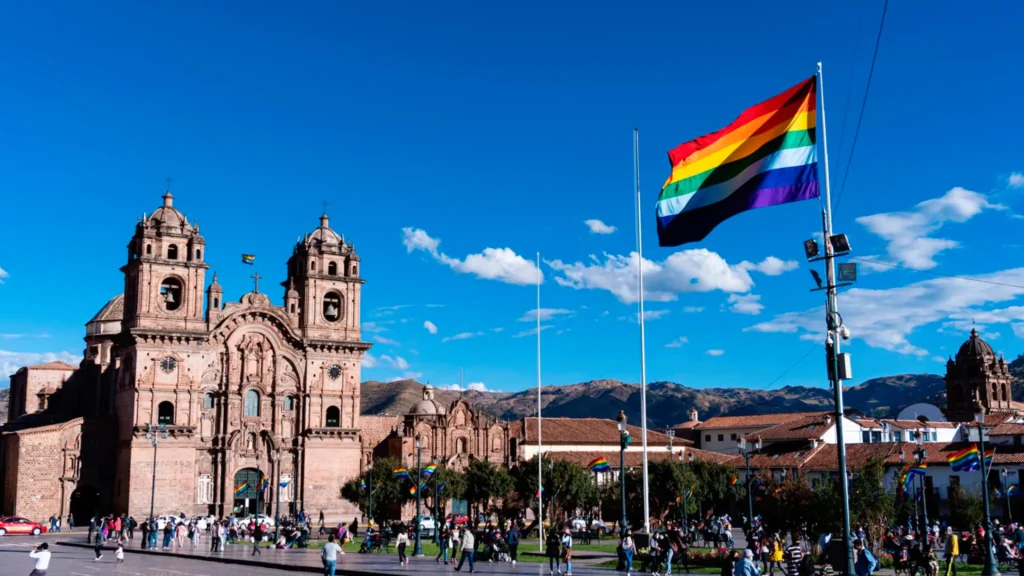


Traveling through Cusco Peru is more than visiting ancient ruins. It is about understanding the Inca social system, a sophisticated civilization that shaped the Andes long before modern societies emerged. The concept of Inca social organization explains how the Inca Empire built cities, managed agriculture, governed millions of people, and created harmony between humans and nature.
Today, travelers exploring Saqsayhuaman, the Sacred Valley, Pisac, and Machu Picchu can still witness how this remarkable social structure continues influencing Andean culture. Understanding the Inca social world transforms a simple trip into a meaningful cultural journey.
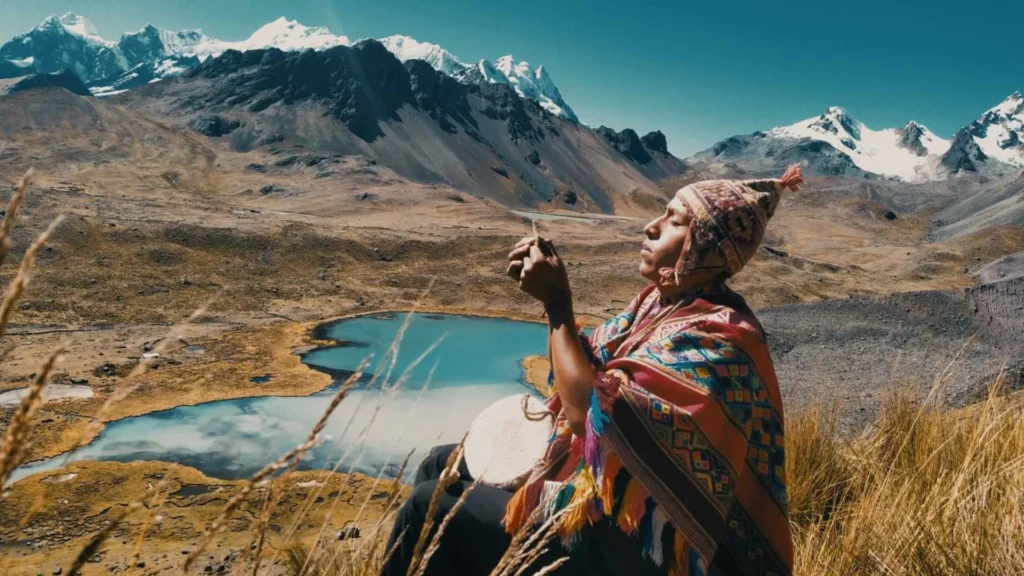
What Was the Inca Social System?
The Inca social system was one of the most efficient organizational models in pre-Columbian America. Unlike modern societies based on money and private property, the Inca civilization functioned through cooperation, shared labor, and collective responsibility.
At the center of Inca social life stood the concept of Ayni, meaning mutual aid. Communities worked together to farm land, build temples, and maintain roads. Everyone contributed according to ability and received support from the state when needed.
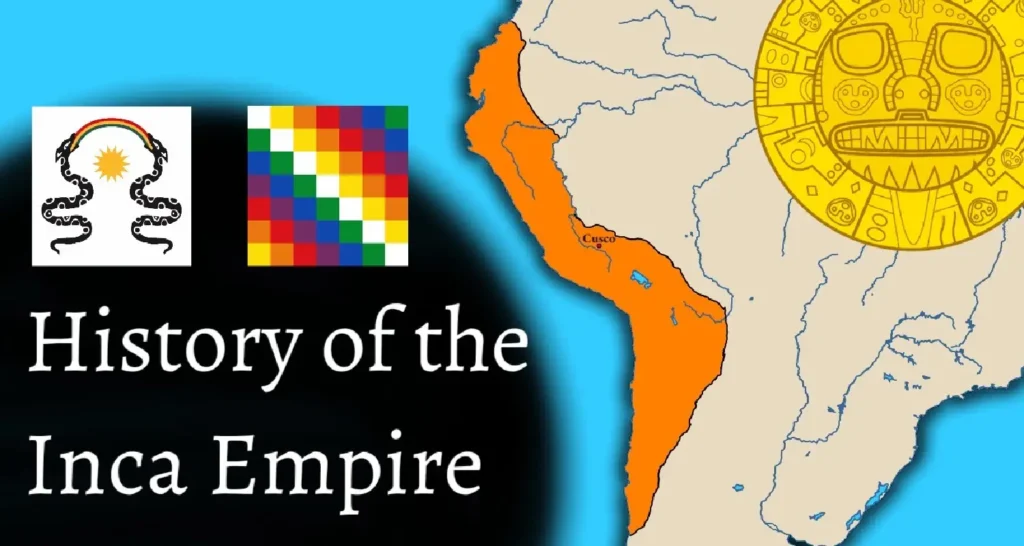
This social structure allowed the Inca Empire to expand across Peru, Ecuador, Bolivia, Chile, and Argentina without using currency or written language.
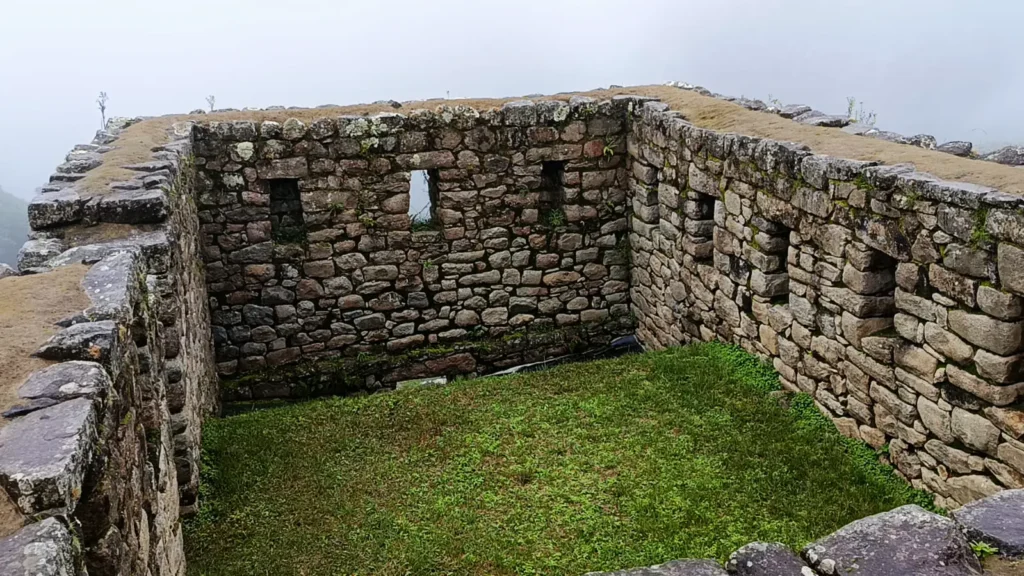
The Social Classes of the Inca Empire
The Inca social hierarchy was clearly organized yet deeply interconnected. Each group played a role that sustained the empire.
The Sapa Inca: The Divine Ruler
At the top of Inca social organization was the Sapa Inca, considered the son of the Sun God Inti. He governed political decisions, religious ceremonies, and military expansion.
The emperor lived mainly in Cusco Peru, the capital of the empire, where temples and ceremonial plazas symbolized power and spiritual authority.
The Nobility and Priests
Below the emperor stood the nobility, composed of royal family members and high priests. They administered provinces, organized agricultural production, and preserved religious traditions.
Priests supervised sacred rituals performed in temples across Cusco and at ceremonial centers such as Saqsayhuaman.
The Common People: Backbone of Inca Social Life
The majority of society consisted of farmers, artisans, builders, and soldiers. These citizens belonged to communities called ayllus, which functioned as extended families.
Each ayllu shared land, food, and responsibilities. This collective system ensured that no member of society faced poverty or abandonment.
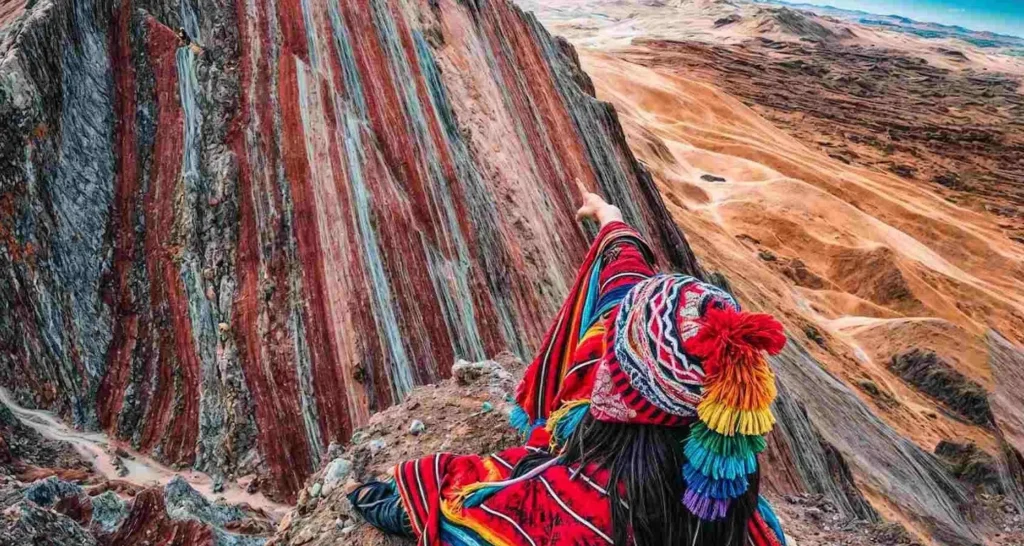
Cusco Peru: The Heart of Inca Social Organization
Cusco was not only a political capital but also the spiritual center of the Inca world. The city represented a sacred design aligned with cosmology and social order.
Massive stone constructions demonstrated cooperation between thousands of workers guided by the Inca social model. Even today, walking through Cusco reveals traces of this communal philosophy.
Ancient streets, temples, and plazas connect visitors directly with the living heritage of the Inca civilization.
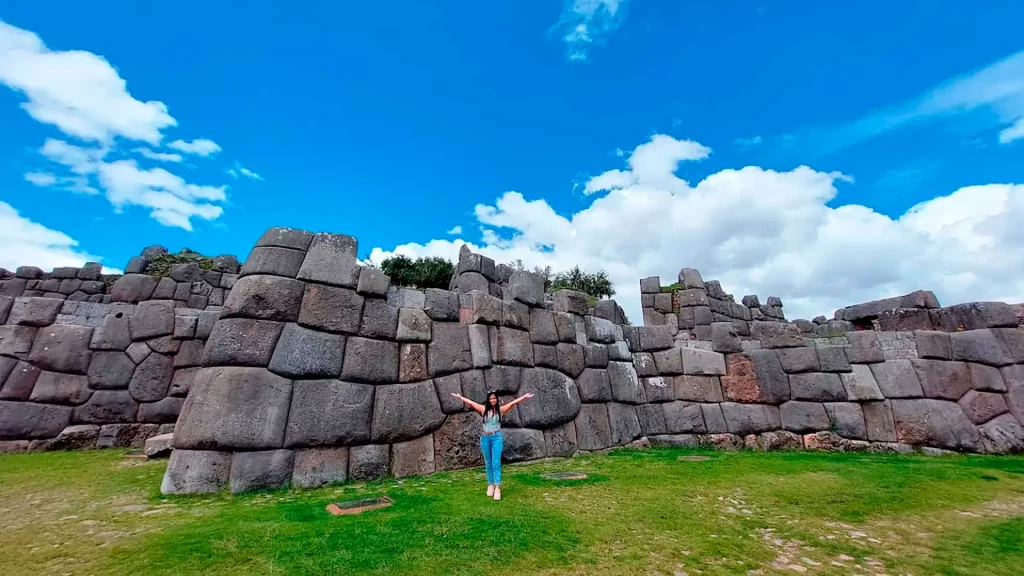
Saqsayhuaman: Symbol of Collective Power
Located above Cusco, Saqsayhuaman stands as one of the greatest examples of Inca social collaboration. The fortress required coordinated labor from multiple communities across the empire.
Gigantic stones weighing more than 100 tons were transported without wheels or iron tools. This achievement was possible only through collective organization and shared responsibility.
Saqsayhuaman also hosted ceremonies, festivals, and military celebrations that reinforced social unity among the Inca people.
The Sacred Valley and Agricultural Society
The Sacred Valley illustrates how the Inca social system connected agriculture, spirituality, and sustainability.
Terraces carved into mountain slopes allowed communities to cultivate maize, potatoes, and quinoa at different altitudes. These agricultural innovations ensured food security across diverse climates.
Villages throughout the Sacred Valley functioned as cooperative hubs where families worked together, stored crops, and exchanged resources. Modern Andean communities still preserve many of these practices.
Pisac: Community, Trade, and Spirituality
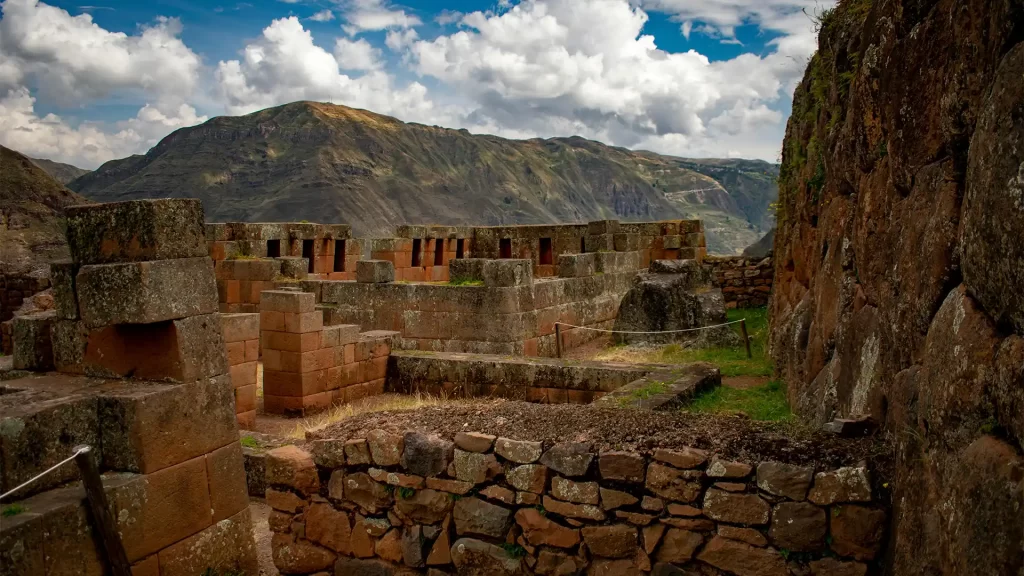
The archaeological site of Pisac demonstrates the balance between economic activity and religious devotion within Inca social life.
Pisac included residential zones, agricultural terraces, ceremonial temples, and marketplaces. Farmers cultivated crops while traders exchanged goods in organized markets supervised by authorities.
The layout of Pisac reflects social harmony, where economic production and spiritual beliefs operated as complementary forces rather than separate systems.
Machu Picchu and the Inca Social Vision
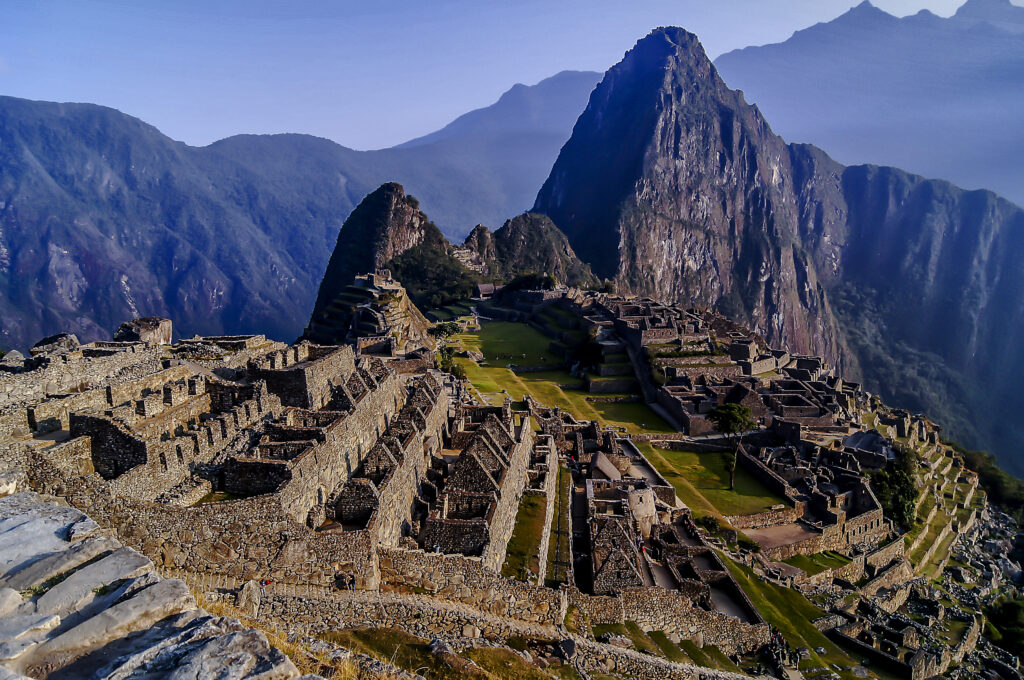
No destination represents the Inca social worldview better than Machu Picchu. Built in the 15th century, this citadel combined royal residence, agricultural center, and ceremonial sanctuary.
Scholars believe Machu Picchu functioned as a retreat for elite members of society while also serving religious purposes. Agricultural terraces supported inhabitants, demonstrating self-sufficiency rooted in social cooperation.
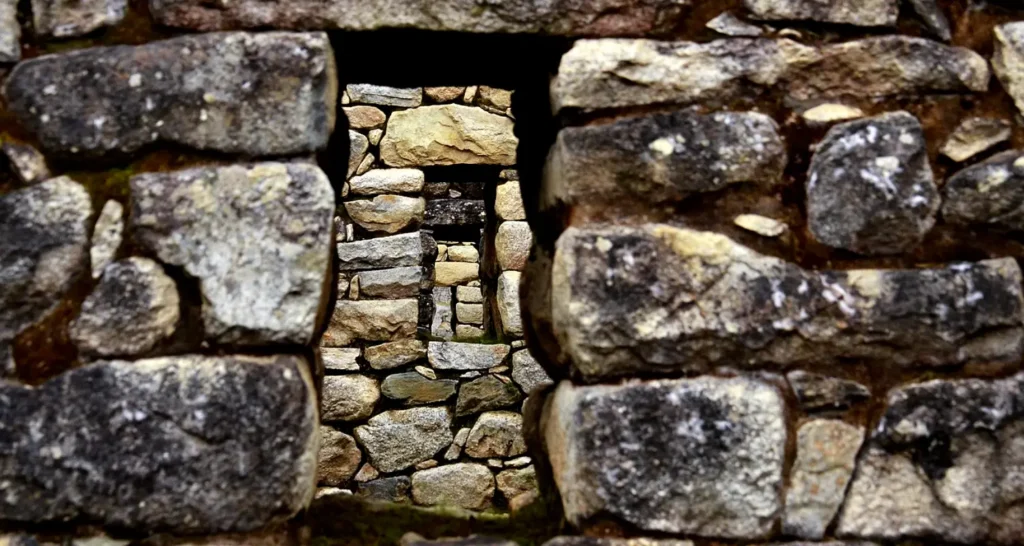
The precision of stone architecture reflects collective labor guided by shared beliefs rather than individual ambition.
Today, travelers visiting Machu Picchu witness how the Inca social philosophy integrated nature, astronomy, engineering, and spirituality.
Ayni, Minka, and Mit’a: Principles of Inca Social Cooperation
Three fundamental principles structured daily life in the Inca world:
Ayni — Mutual Support
Neighbors helped each other during planting, construction, or harvest. Assistance was always returned later, strengthening community bonds.
Minka — Community Projects
Large tasks benefiting the entire village, such as building irrigation canals or temples, were completed collectively.
Mit’a — Service to the State
Citizens contributed labor to public works like roads, bridges, and fortresses. In return, the state guaranteed food security and protection.
These principles remain alive in rural communities across Cusco Peru today.
Religion and Spiritual Beliefs in Inca Social Life
Religion was inseparable from social organization. The Incas believed mountains, rivers, and celestial bodies possessed living spirits.
Sacred mountains called Apus protected communities. Ceremonial spaces in Saqsayhuaman and Machu Picchu connected earthly life with cosmic order. Festivals, offerings, and agricultural rituals reinforced collective identity and strengthened social harmony.
Engineering and Infrastructure Built Through Social Unity
The Inca Empire constructed one of the most advanced road systems in the ancient world, spanning more than 40,000 kilometers.
This infrastructure linked remote communities from the Amazon to the Pacific coast. Messengers known as Chasquis carried information rapidly across mountainous terrain.
Bridges, terraces, and storehouses demonstrated how the Inca social system transformed cooperation into monumental achievements.
How Inca Social Values Survive Today
Modern Andean communities preserve traditions inherited from the Incas. Visitors traveling through the Sacred Valley or rural villages near Pisac often observe communal farming, textile production, and shared celebrations.
Local markets reflect cooperation rather than competition. Families still rely on collective labor during agricultural seasons, showing that Inca social values remain alive in contemporary Peru. For travelers, this continuity offers a deeper cultural experience beyond sightseeing.
Why Understanding Inca Social Culture Enhances Your Trip
Many travelers focus only on visiting landmarks like Machu Picchu. However, understanding the Inca social system allows visitors to interpret each site with greater meaning.
Saqsayhuaman becomes more than a fortress. Pisac becomes more than ruins. The Sacred Valley becomes a living cultural landscape shaped by centuries of collaboration. Learning about Inca social organization transforms tourism into cultural immersion.
Best Places to Experience Inca Social Heritage
When planning a journey through Cusco Peru, consider exploring destinations that reveal different aspects of Inca society:
- Cusco Historic Center — political and spiritual capital
- Saqsayhuaman — ceremonial and military collaboration
- Pisac — agriculture and trade organization
- Sacred Valley villages — community lifestyle
- Machu Picchu — spiritual and architectural vision
Each destination represents a chapter of the Inca social story.
Travel Tips for Exploring Inca Social Sites
To fully appreciate Inca heritage, travelers should prepare properly:
- Spend at least two days acclimatizing in Cusco Peru.
- Visit the Sacred Valley before Machu Picchu to adjust to altitude.
- Hire knowledgeable local guides who explain cultural context.
- Respect sacred spaces and local traditions.
- Support community tourism initiatives.
Responsible travel reflects the same respect for community values practiced by the Incas themselves.
Sustainable Tourism and the Legacy of Inca Social Wisdom
The Inca civilization practiced sustainability long before the modern concept existed. Agricultural terraces prevented erosion, crop rotation preserved soil fertility, and resource distribution avoided waste.
Modern tourism in Peru increasingly adopts these principles by promoting cultural preservation and environmental responsibility.
Choosing ethical tour operators helps protect heritage sites while supporting local communities.
The Enduring Spirit of Inca Social Civilization
The legacy of the Inca social system continues shaping life across the Andes. From the monumental stones of Saqsayhuaman to the agricultural landscapes of the Sacred Valley, every destination reveals a civilization built on cooperation, balance, and shared purpose.
Travelers visiting Cusco Peru, Pisac, and Machu Picchu do more than explore ancient ruins. They encounter a living philosophy centered on community and harmony with nature.
Understanding Inca social culture turns a journey through Peru into an unforgettable experience that connects past and present.
Explore the Inca Social World with Local Experts
Discover the true spirit of the Andes with Sisa Peru Tours.
Experience authentic journeys through Cusco Peru, the Sacred Valley, Saqsayhuaman, Pisac, and Machu Picchu, guided by local specialists who bring Inca history and culture to life.