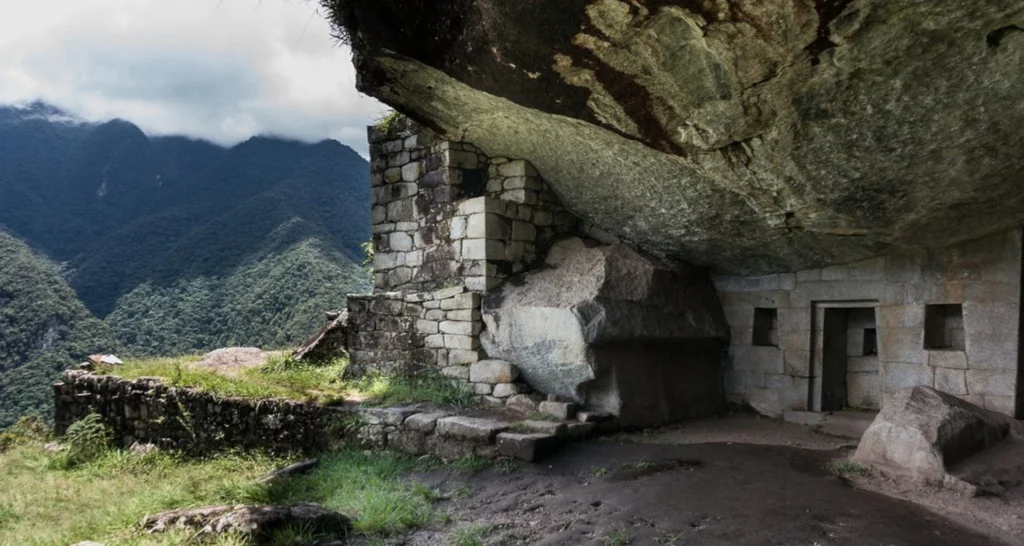
Imagine this: you’ve just arrived in the stunning city of Cusco, but even a light walk up an inclined street leaves you surprisingly breathless. This isn’t a lack of fitness; it’s the first sign of the infamous altitude sickness, known locally as soroche. This common reaction can include headaches and nausea, and it’s a major concern for many travelers.
The reason is simple: Cusco sits at a dizzying 3,400 meters, where the air has less oxygen. Your body needs time to adjust in a process called acclimatization. Ignoring it can ruin your first few days, but the good news is that preparing is very easy. Knowing how to avoid altitude sickness is the first step to an incredible trip. With a few tested tips, you’ll feel great and be full of energy.
Here’s a 3-step action plan that really works:
- Rest on your first day. Stick to light, easy walks at most.
- Hydrate constantly with water and coca tea, the local remedy.
- Avoid alcohol and heavy foods for the first 24 hours.
Your Starting Point: A Quick Guide to Cusco’s Historic Center
The immense and vibrant Plaza de Armas will be your main point of reference in Cusco. Surrounded by imposing cathedrals, colonial wooden balconies, and the constant flow of travelers and locals, this square is the true heart of the city. It’s the perfect place to sit on a bench, get used to the altitude, and simply absorb the Andean energy.
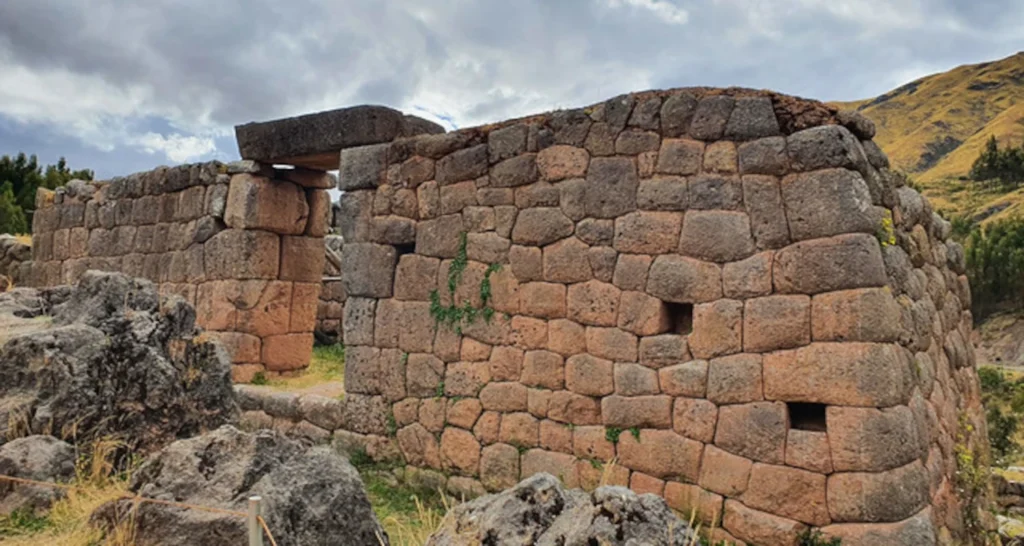
From the plaza, explore the surrounding stone streets and a city secret will reveal itself. Look at the base of the buildings: you’ll see foundations made of huge, dark rocks, perfectly fitted by the Incas over 500 years ago. Above them rise the white walls and red tiles of Spanish colonial architecture. This overlap is Cusco’s history told in stone, like seeing two distinct eras in a single wall.
This central area is also your practical hub. Here you’ll find the best restaurants, cozy cafes to warm up with coca tea, and tour agencies to plan your adventures. With the Plaza de Armas as your guide, you’ll be ready to discover the treasures hidden just steps away.
Coricancha and San Blas: Where Inca Gold and Bohemian Art Meet
A few minutes from the main square, you’ll find one of the Inca Empire’s most impressive treasures: the Coricancha. This was the Temple of the Sun, the most sacred and wealthy religious center in the entire empire, whose walls were allegedly covered in solid gold plates. Although the gold was looted, the temple’s essence remains in its perfectly polished stone foundations.
Today, what’s left of the Coricancha serves as the base for the Convent of Santo Domingo, creating a stunning visual contrast. It’s a must-see site because you can walk through a Spanish colonial courtyard and suddenly face an original Inca wall of almost unbelievable precision. Nowhere else is the fusion—and conflict—between these two cultures so palpable.
After marveling at Inca engineering, prepare for a change of pace in the charming San Blas neighborhood. Climbing the steep, cobblestone alleys, you’ll discover a bohemian refuge known as the artisans’ quarter. The streets are lined with small art galleries, workshops where you can see artists at work, and cozy cafes perfect for a break. It’s the ideal place to get lost on purpose and find a unique souvenir.
The Giant Walls of Sacsayhuamán: How to Visit the Inca Fortress
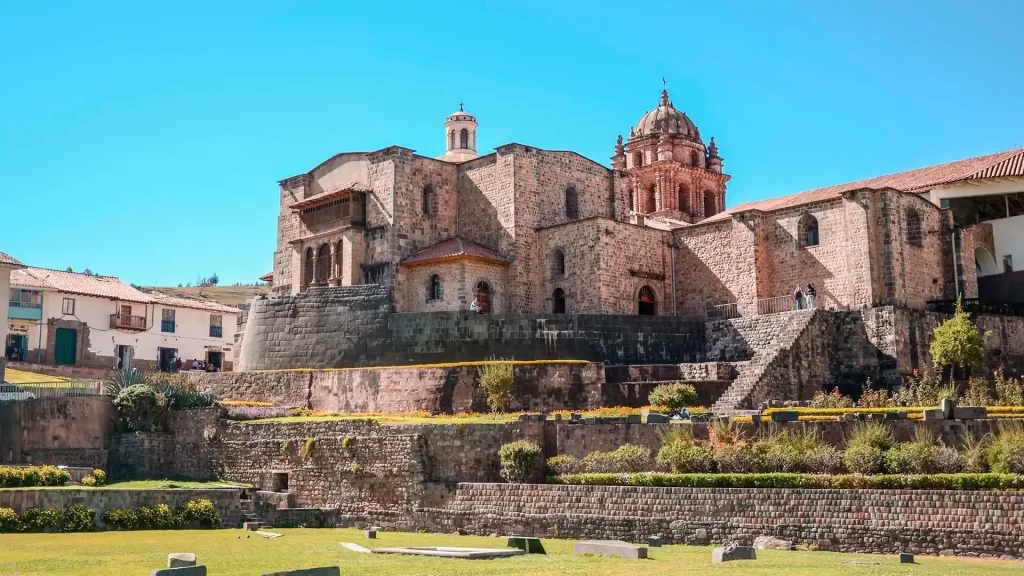
Rising above the city, the Sacsayhuamán ruins (pronounced «sexy-woman») are your first deep dive into the monumental engineering of the Incas. The rocks here are the size of cars, each weighing several tons, and fitted with a logic-defying precision. Walking alongside these gigantic zigzagging walls, it’s impossible not to wonder, «How did they do this?»
Beyond the impressive engineering, Sacsayhuaman offers a spectacular reward: the most incredible panoramic view of the city. From up there, Cusco stretches out below you like a living map, with its terracotta roofs, imposing churches, and the Plaza de Armas at its center. It’s the perfect spot for photos and for understanding the geography of the valley where the Inca capital was built.
Here’s a valuable tip: since the complex is on a steep hill, take a taxi or Uber up and save your energy for exploring the site. The walk down is pleasant and rewarding. On your way back, you can stop at other smaller, fascinating ruins, like the mysterious caves and altars of Qenqo.
The Cusco Tourist Ticket (Boleto Turístico): Is It Worth It for You?
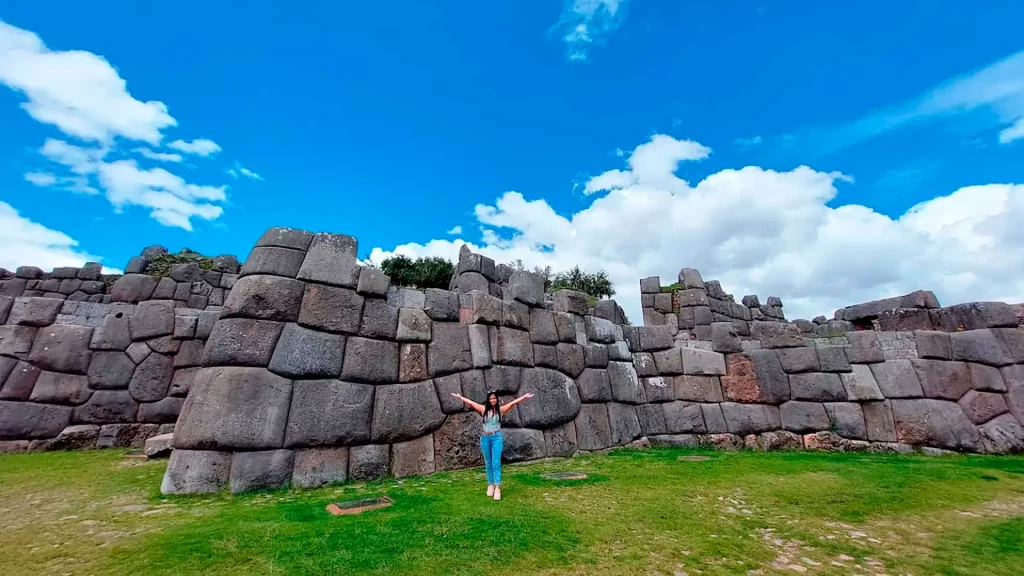
That idea of a single ticket is key to exploring Cusco economically. It’s called the Boleto Turístico, and the best way to understand it is as a «combo pass» for the region’s main attractions. Instead of buying a ticket at each ruin or museum, you purchase this pass which grants access to a set of sites, including Sacsayhuamán and Qenqo.
The main advantage is convenience and potential savings, but you need to understand how it works. There isn’t just one type of ticket. The pass is divided into tourist circuits, which are packages for different areas. There is the «Integral Ticket,» which covers 16 attractions and lasts 10 days, ideal for long trips. However, for shorter visits, there are partial tickets that last only one or two days and focus on specific groups of sites, like the ruins around Cusco.
So, is the Cusco Tourist Ticket worth it? It depends on your itinerary. The math is simple: find the price of the partial ticket that interests you and add up the individual entrance fees for the places you actually want to visit. Generally, if you plan to see Sacsayhuamán and at least two other sites in the same circuit, the pass pays for itself. For a 3-day Cusco itinerary, a partial ticket is almost always the best option.
The Sacred Valley of the Incas Explained: A Beginner’s Guide
Many travelers think of the Sacred Valley as a single place, but it’s much more. Imagine a long, fertile valley carved by the Urubamba River, dotted with charming villages and impressive Inca ruins. For the Incas, this was a sacred and vital area, serving as the empire’s pantry. Today, it’s an essential stop on any regional itinerary, offering spectacular landscapes and a deeper connection to Andean history.
Beyond its beauty, the Sacred Valley has a strategic advantage for your trip: its altitude. Most of its villages, like Urubamba and Ollantaytambo, are at a lower altitude than Cusco (around 2,800 meters vs. 3,400 meters). This is why many visitors choose to go directly to the valley after arriving at the airport. Spending your first or second night there helps your body acclimatize more gently, reducing the risk of altitude sickness.
With so much to explore, the question becomes what to do in the Sacred Valley. The region is home to some of Peru’s most famous ruins, notably the markets and agricultural terraces of Pisac and the imposing fortress of Ollantaytambo. Each offers a unique experience.
Pisac or Ollantaytambo: Which Sacred Valley Town to Choose?
Deciding between Pisac and Ollantaytambo is one of the first big choices when planning your Sacred Valley itinerary. Although both are incredible, they offer very different experiences. The right choice depends on what attracts you more: a vibrant market and sweeping landscapes, or immersion in an Inca town that still pulses with life.
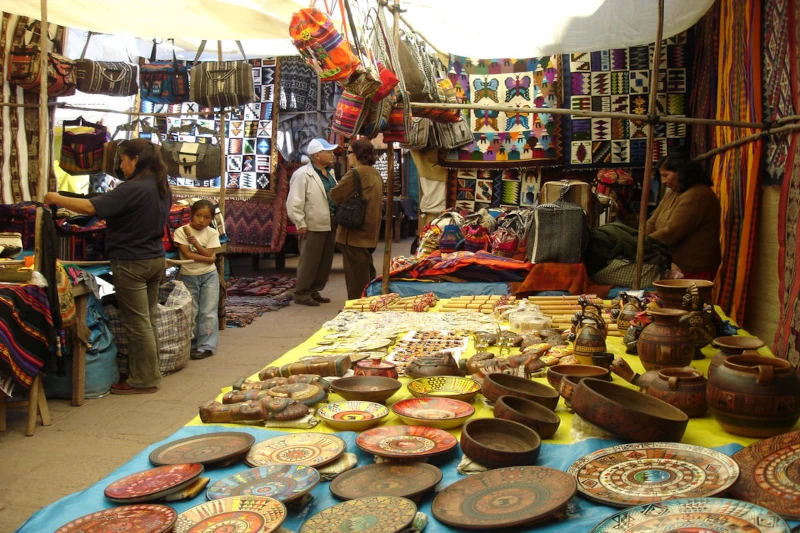
Pisac is world-famous for its huge craft market and its spectacular ruins high on the mountain. The agricultural terraces covering the hillside are so vast they look like a stairway to the gods. A visit here is about scale, panoramic views, and the vibrant energy of local culture.
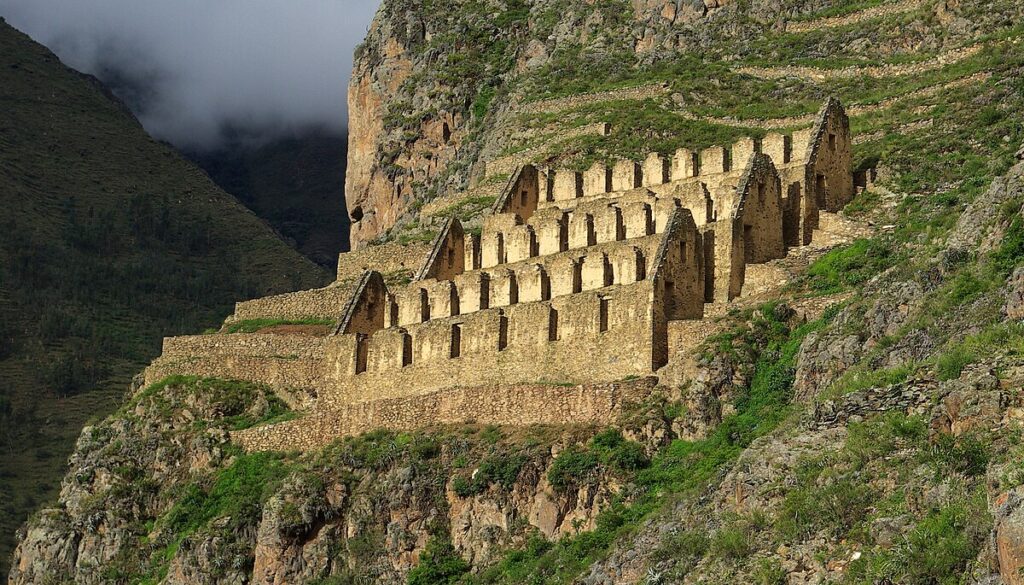
Ollantaytambo, on the other hand, offers something unique: it is considered a «living Inca city.» The cobblestone streets and the water channels running alongside them are the same as in the time of the empire. Above the town, an imposing fortress climbs the mountain, demanding a steep ascent that rewards you with incredible views and a feeling of having traveled back in time.
So, which to visit? If your focus is on shopping and breathtaking views, Pisac might be your priority. However, if you seek historical immersion and convenience, Ollantaytambo has the edge. Most trains to Machu Picchu depart from here, making it the perfect logistical base to spend the night before the big visit.
Epic Day Trips: Rainbow Mountain or Humantay Lake?
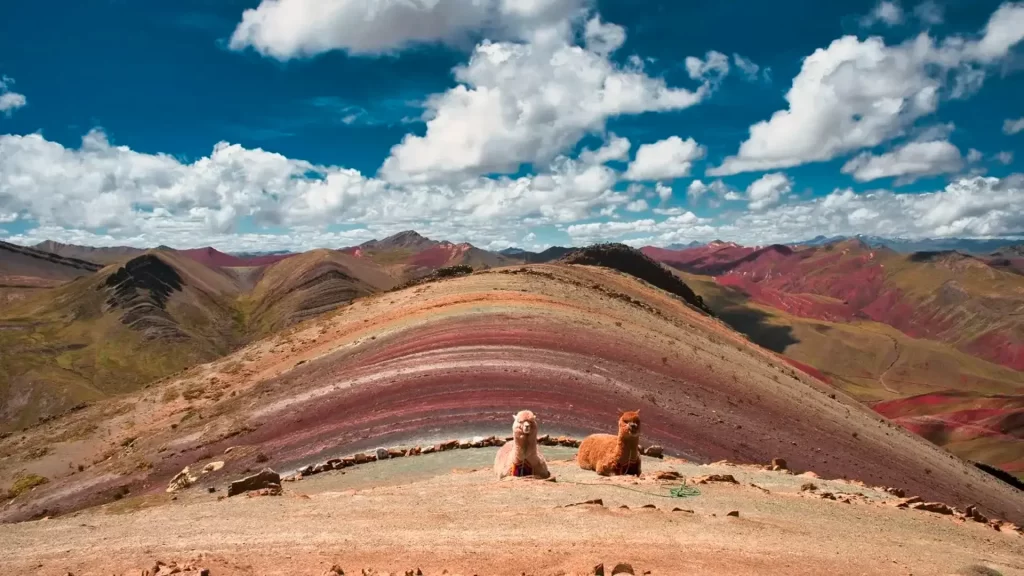
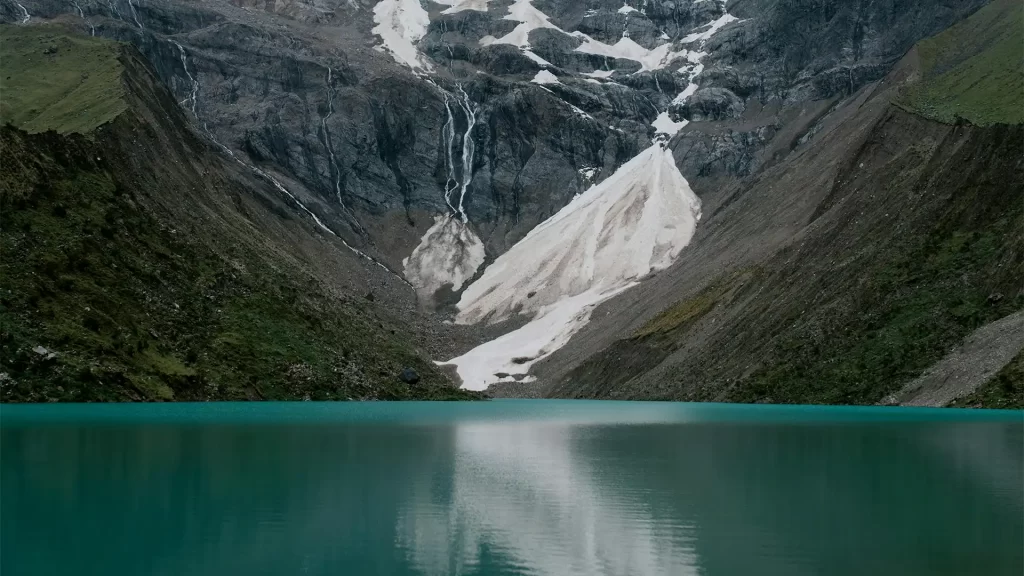
If you’ve seen impressive photos of Peru beyond Machu Picchu, they were likely of the Rainbow Mountain (Vinicunca) or the mirror-like Humantay Lake. These are two of the best day trips from Cusco for those seeking otherworldly landscapes and a true Andean adventure.
However, it’s crucial to understand these are not casual tours. Both require a pre-dawn start, with departures from Cusco around 3 or 4 AM, and involve demanding hikes at extreme altitudes. Humantay Lake is at 4,200 meters (13,780 ft), while visiting Rainbow Mountain will take you above 5,000 meters. The air is incredibly thin, and every step can feel like a major effort.
Here is the most important advice: only book these tours for the end of your stay in Cusco. Your body needs at least two to three full days to acclimatize to the city’s altitude. Attempting one of these treks upon arrival is a near-certain recipe for severe altitude sickness.
So, which to choose? Rainbow Mountain offers a unique geological landscape, while Humantay Lake impresses with the dramatic contrast between its turquoise water and the snowy peak above. Whatever you choose, the feeling of accomplishment upon reaching the top will be one of the strongest memories of your journey.
Flavors of Cusco: What to Taste at the San Pedro Market
After exploring ancient ruins and breathtaking landscapes, a different adventure awaits your senses. A few blocks from the Plaza de Armas, the vibrant San Pedro Market is the pulsating heart of local life. More than a tourist spot, it’s a fascinating labyrinth of colors, smells, and sounds where you can observe the daily life of Cusqueños.
Your first stop should be the juice section, where friendly women prepare fresh fruit combinations on the spot. For a full meal, venture to the market’s kitchens in search of the «menu del día»—a lunch with a starter, main course, and drink for an incredibly low price. It’s your chance to try some typical Peruvian foods, like Lomo Saltado (stir-fried beef with french fries) or Aji de Gallina (a creamy chicken stew).
Exploring the market is one of the best things to do in Cusco for an authentic cultural immersion. It is a fantastic and budget-friendly way to taste the local cuisine far beyond the tourist restaurants.
The Perfect 3-Day Cusco Itinerary: How to Organize Your Time
Organizing your time is key to a successful trip, balancing exploration with altitude acclimatization. This 3-day Cusco itinerary is designed to do just that, allowing your body to adjust while you dive into the city’s magic.
- Day 1: Acclimatization & City Heart. Arrive in Cusco, drink plenty of water or coca tea, and rest. In the afternoon, take a gentle walk around the Plaza de Armas and visit the easily accessible Coricancha (Temple of the Sun).
- Day 2: Inca Ruins & Local Culture. With more energy, head up to the impressive Sacsayhuamán fortress in the morning. In the afternoon, get lost in the charming streets of the San Blas neighborhood and end the day exploring the flavors of the San Pedro Market.
- Day 3: The Magic of the Sacred Valley. Dedicate the day to a tour of the Sacred Valley of the Incas. Most tours visit the Pisac ruins and market and the imposing fortress of Ollantaytambo, preparing you for your great adventure to Machu Picchu.
Your Cusco Adventure Begins Now: Final Checklist
What once seemed like a puzzle of names like Sacsayhuamán and Coricancha has now become a clear and exciting Cusco itinerary. You understand the steps to turn this dream into reality, knowing how to acclimatize, what to prioritize, and how to navigate the city and the Sacred Valley with confidence.
To ensure your planning is smooth, here are the most essential Cusco travel tips in a final checklist:
- Golden Checklist:Acclimatize: Take it easy on your first day. No exceptions.
- Book in Advance: Machu Picchu tickets and trains sell out.
- Carry Cash (Soles): Essential for markets and local taxis.
- Dress in Layers: The weather changes rapidly.
With this foundation, you are more than prepared to plan your trip to Peru. Cusco is no longer just a mandatory stop; it’s the vibrant heart of an ancient culture, waiting to be discovered. Your adventure is calling.