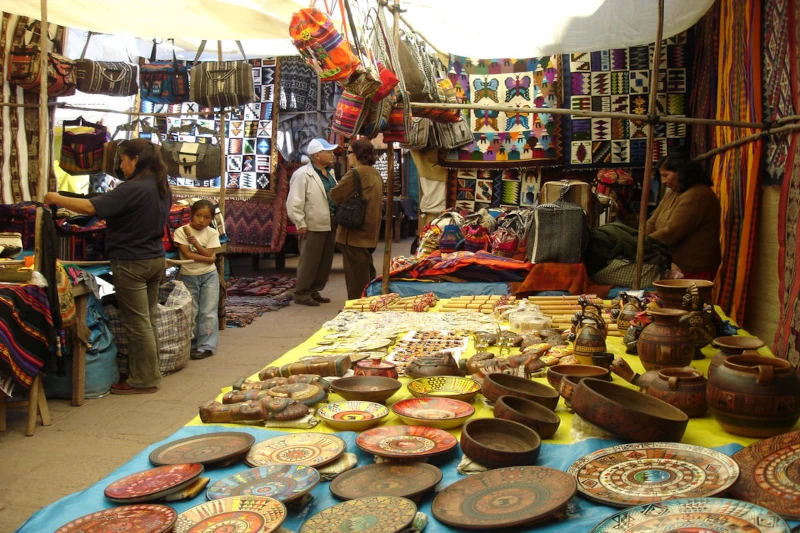
Understanding the currency of a country is crucial for any traveler. In Peru, the official currency is the Peruvian Sol. This currency is used throughout the country, from bustling Lima to historic Cusco.
Navigating the financial landscape in Peru can be straightforward with the right knowledge. Knowing where to exchange money and how to use local banking services is key.
The Peruvian Sol is stable, reflecting the country’s economic resilience. This stability makes it easier for travelers to manage their finances.
Digital nomads and frequent travelers will find this guide helpful. It offers practical tips for handling money in Peru.
From exchange rates to avoiding common pitfalls, this article covers it all. Prepare for your Peruvian adventure with confidence and ease.
What Is the Currency of Peru? Complete Guide to the Peruvian Sol
The currency of Peru is the Peruvian Sol, often abbreviated as PEN. The Sol is the official legal tender and is used for all transactions across the country.
In everyday financial contexts, the Peruvian Sol is represented by the symbol S/. This makes identifying the currency straightforward.
Each Sol is divided into 100 céntimos, similar to cents in a dollar. This subdivision is handy for smaller purchases.
Key details about the Peruvian Sol include:
- Currency Name: Peruvian Sol
- Abbreviation: PEN
- Symbol: S/.
- Subunits: 1 Sol = 100 céntimos
The Peruvian Sol is predominantly used in cities such as Lima and Cusco. It’s essential to have some local currency on hand, especially in more rural areas where electronic payments are less common.
Tourists and residents alike rely on the Sol for daily exchanges, reflecting its central role in Peru’s economic life. Understanding the basics of this currency is vital for a smooth financial experience in Peru.
History and Background of the Peruvian Sol
The Peruvian Sol has been the official currency since 1991, replacing the Inti. This change was part of economic reforms aimed at stabilizing the country’s finances.
Peru introduced the Sol during a period of rampant inflation, which had severely devalued the Inti. The new currency helped restore confidence in the financial system.
Named after the Spanish word for «sun,» the Sol reflects both Peru’s cultural roots and its aspirations for economic stability. Today, it remains a pivotal element of the nation’s economy, showcasing Peru’s progress and resilience. The Central Reserve Bank of Peru manages its issuance and monetary policy.
Peru Currency Symbols, Denominations, and Security Feature
The Peruvian Sol is abbreviated as PEN and uses the symbol «S/.» It is subdivided into 100 céntimos. You will come across this symbol frequently while managing financial transactions in Peru.
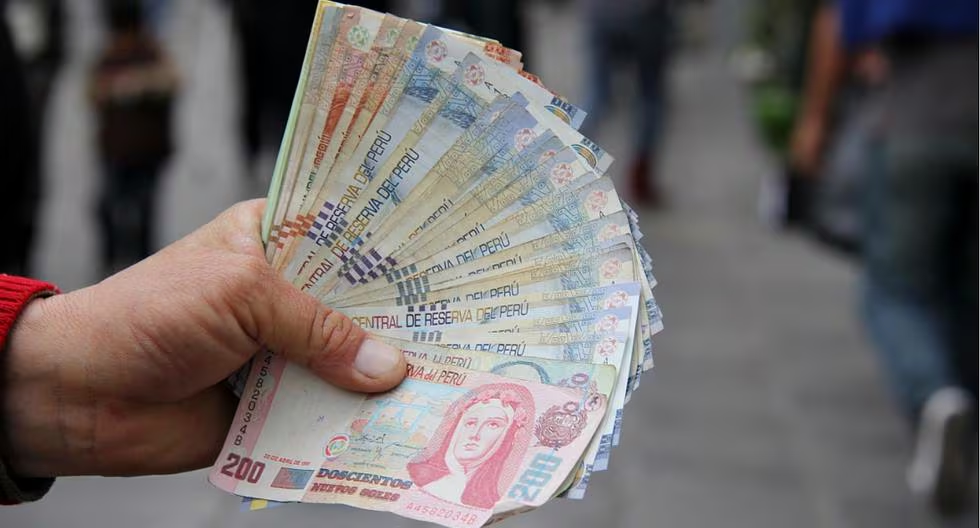
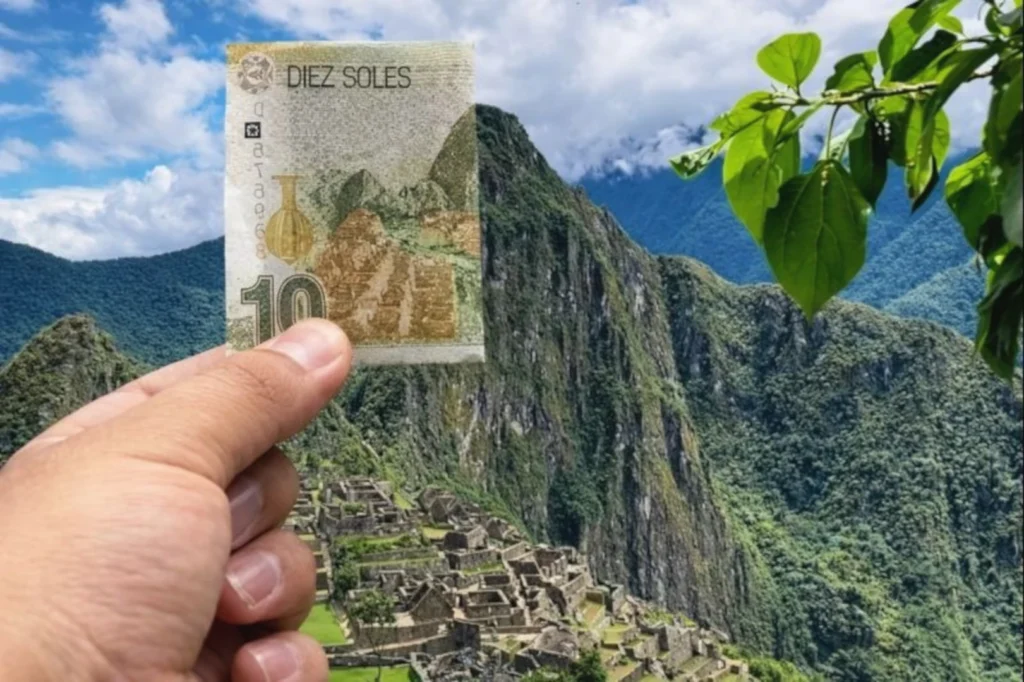
Banknotes in circulation commonly include denominations of 10, 20, 50, 100, and 200 Soles. These denominations cater to a variety of everyday purchases. Coins are available in 1, 2, and 5 Soles, plus smaller 5, 10, 20, and 50 céntimos. This range allows for flexibility in cash transactions.
Common Denominations:
- Banknotes: 10, 20, 50, 100, 200 Soles
- Coins: 1, 2, 5 Soles, 5, 10, 20, 50 céntimos
Security is a priority for the Peruvian Sol. Banknotes feature intricate designs, watermarks, and holographic elements to deter counterfeiters. Each note highlights significant national figures or symbols, reflecting Peru’s rich heritage.
These security features are essential as counterfeit currency can be problematic in tourist-heavy areas. Being aware of these safeguards ensures that you handle authentic money during your travels.
Where Is Peru Currency Used? (Lima, Cusco, and Beyond)
The Peruvian Sol is the official currency used throughout the country. Whether you are exploring the modern capital city of Lima or visiting the ancient city of Cusco, the Sol is your go-to currency for transactions. It facilitates purchasing everything from food to accommodations.
While Lima offers a plethora of financial services, including numerous ATMs and banks, Cusco also caters well to tourists with ample currency exchange offices. Smaller towns and rural areas may have limited facilities, making it essential to plan accordingly.
Key Locations:
- Lima: Capital with extensive banking options.
- Cusco: Tourist-friendly with many exchanges.
- Rural Areas: Fewer financial amenities; carry cash.
Understanding where and how the Peruvian Sol is accepted ensures a smoother financial experience across diverse regions. Urban centers provide more opportunities for digital payments, while cash is indispensable in smaller locales.
Exchange Rates: Sol to USD and Other Currencies
The exchange rate for the Peruvian Sol varies depending on global economic factors. It’s wise to monitor these fluctuations before converting your money. For travelers, the Sol to USD rate is crucial for budgeting.
Exchange rates can be checked online through financial websites or currency converters. Using these tools can help you estimate costs and compare rates at different points. Staying informed helps ensure you get the most favorable rate possible.
It’s important to note that rates can differ between airports, banks, and local exchange bureaus. Airports might charge higher fees, making local exchange services a better option. Comparing offers from multiple places can save you money in the long run.
Tips for Monitoring Exchange Rates:
- Check financial news sites for live updates.
- Use currency converter apps.
- Compare rates across multiple services.
Being mindful of the exchange rate trends will allow you to plan better and minimize unnecessary expenses when traveling.
How to Exchange Money in Peru: Practical Tips
Exchanging money in Peru can be straightforward if you plan carefully. Airports, banks, and licensed exchange bureaus are primary options for currency exchange. While airports offer convenience, local exchange bureaus often provide more favorable rates.
When exchanging money, it’s critical to verify the authenticity of the exchange service. Reputable places minimize the risk of counterfeit notes. Always keep your receipt, as it can be crucial for verification purposes or disputes.
Consider carrying small denominations for everyday transactions. Local markets and small vendors rarely accept large bills or credit cards, making cash essential. Having change will also help you avoid overpaying in small transactions.
Recommended Exchange Practices:
- Exchange at licensed bureaus for better rates.
- Verify the service’s legitimacy and keep receipts.
- Start with small amounts to ensure authenticity.
Being cautious and informed can help you navigate currency exchanges effectively. This attention to detail will help safeguard your finances during your stay.
Using ATMs, Credit Cards, and Digital Payments in Peru
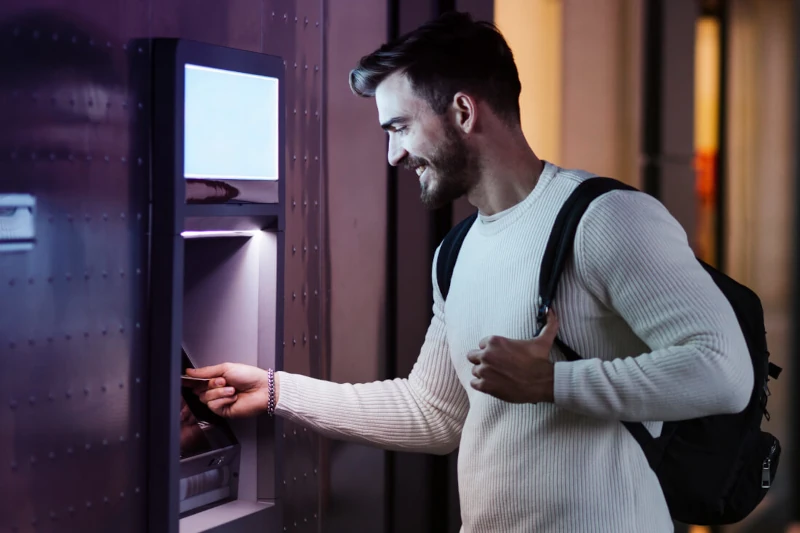
ATMs are widely available in cities like Lima and Cusco, making cash withdrawals convenient. Ensure your card is activated for international use before traveling. ATM transaction fees can vary, so check with your bank for specific costs.
Credit cards are accepted in most urban areas, particularly in hotels, restaurants, and larger stores. However, always carry some cash for small purchases in rural areas. Keep in mind that some establishments might impose a surcharge for card payments.
Digital payments are gaining traction but are not as widespread. While apps like Apple Pay or Google Pay may work in urban centers, they are unlikely to be accepted in more remote locations. Thus, it’s wise to have alternative payment options ready.
Payment Options Summary:
- Use ATMs in cities for easy cash access.
- Credit cards are best for urban purchases.
- Digital payments are limited; carry cash as a backup.
Knowing these options will help you manage transactions smoothly while traveling across Peru.
Managing Your Money: Tips for Digital Nomads and Travelers
Digital nomads need to manage finances smartly while exploring Peru. Multi-currency accounts can significantly reduce conversion fees when spending abroad. Consider using banking apps designed for international travelers to keep track of your spending in multiple currencies.
Notify your bank of your travel plans before arriving in Peru. This step can prevent your cards from being blocked due to suspicious activity. Additionally, it’s helpful to have a backup payment method, like a secondary credit card, in case of an emergency.
Regularly update yourself on the current exchange rates. Use currency conversion apps to help you quickly determine costs in familiar terms. This practice ensures you’re receiving fair rates and helps budget effectively.
Here are some quick money management tips for digital nomads:
- Use multi-currency accounts to minimize fees.
- Inform your bank about your travel to avoid blocked cards.
- Keep track of exchange rates with currency converter apps.
- Carry a backup payment method for emergencies.
These practices can make traveling and working from Peru financially smooth and efficient.
Avoiding Common Pitfalls: Counterfeits, Fees, and Safety
Travelers in Peru should be aware of common money pitfalls. Counterfeit currency is a possibility, so always check notes for security features. Familiarize yourself with the feel and look of authentic Soles to avoid fake notes.
Be mindful of ATM withdrawal and foreign transaction fees. These can quickly add up, especially for frequent transactions. Choose ATMs that offer reasonable exchange rates and charge lower fees, preferably linked to your bank network.
Ensure your money and cards are secure from theft or loss. Use a money belt or secure pouch in crowded places. It’s also wise to split cash and cards, keeping them in separate locations.
- Verify notes for authenticity to avoid counterfeits.
- Be aware of hidden fees at ATMs and when using cards.
- Secure your money to prevent theft or loss.
Staying informed can help you avoid these pitfalls while traveling in Peru.
Frequently Asked Questions About Peru Currency
Many travelers ask what currency do Peru use. The country officially uses the Peruvian Sol. It’s abbreviated as PEN and symbolized with S/.
Is the Peruvian Sol used outside Peru? Typically, it isn’t, so exchange leftover currency before departure. Many banks elsewhere won’t accept it.
How does one avoid counterfeit currency? Always check for security features like watermarks and see-through windows. Familiarize yourself with these details.
- What currency is used in Peru?
- Can the Peruvian Sol be used internationally?
- How to identify counterfeit Soles?
- Are there alternative payment methods in Peru?
Knowing these answers can help make your travels smoother and hassle-free.
Money Tips for a Smooth Trip in Peru
To ensure a seamless journey, consider using a mixture of payment methods. This approach can help avoid any potential financial roadblocks.
Keep small bills handy for local vendors. Many small businesses prefer cash and may not have card facilities.
Prioritize your safety by securing your money and personal belongings. Being vigilant is essential, especially in crowded places.
- Mix payment methods for flexibility
- Carry small bills for local transactions
- Safeguard your money and belongings
Embracing these strategies can greatly enhance your travel experience in Peru.