Introduction to Cusco’s Elevation
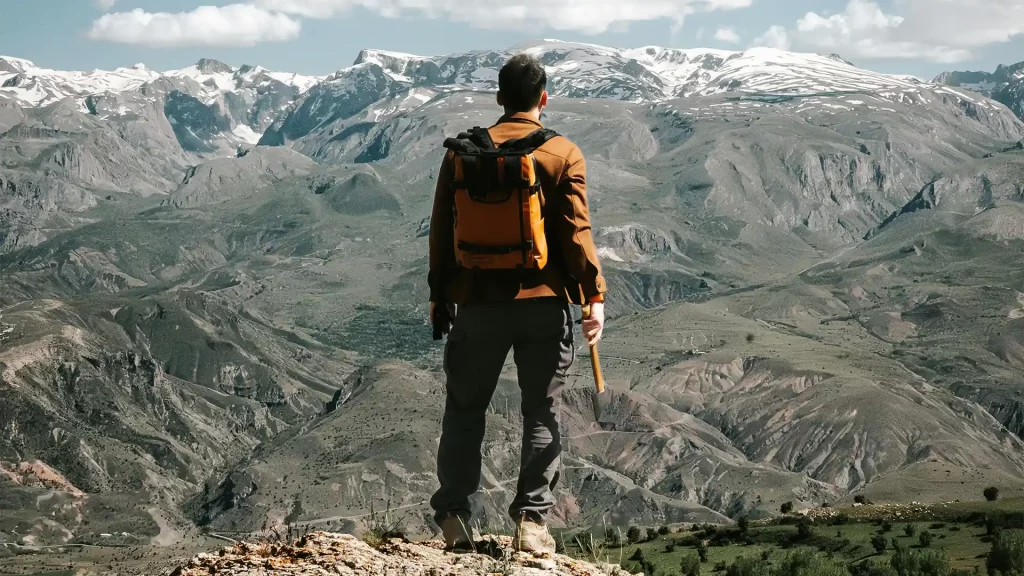
Cusco, a city with a rich historical tapestry as the former capital of the Inca Empire, sits at an impressive altitude that shapes its identity and experience for visitors. Nestled in the Peruvian Andes, Cusco stands at approximately 3,399 meters above sea level. This elevation influences not only the physical condition of visitors but also the cultural and environmental dynamics of the region. Understanding Cusco’s altitude is crucial for travelers planning to explore this iconic destination, and preparing for this high elevation can make a significant difference in the overall experience.
The Influence of High Altitude on Visitors
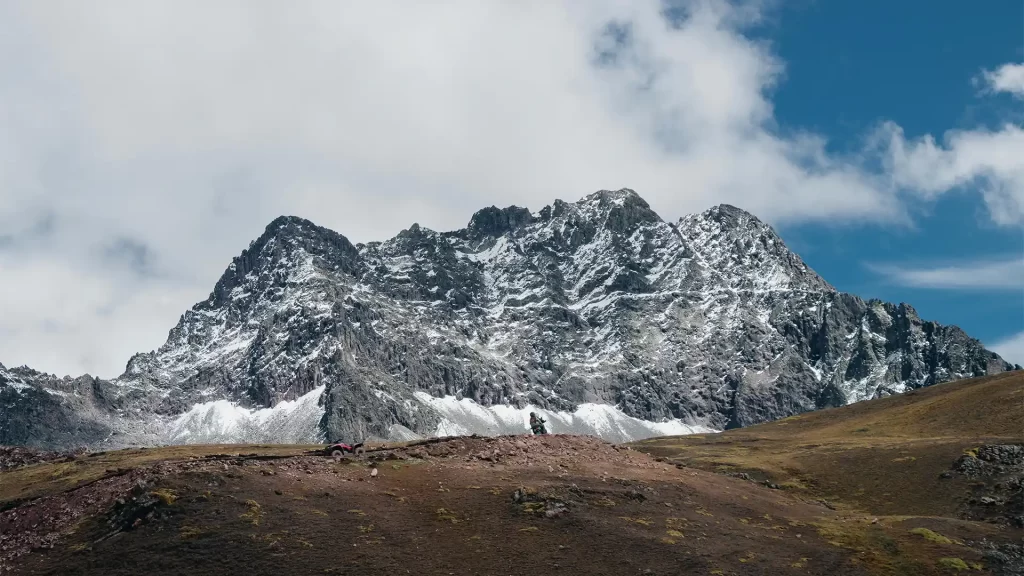
Cusco’s altitude is a defining characteristic that influences every aspect of a visitor’s journey. The reduced oxygen levels at this height mean that the body needs to acclimatize, which can take a few days. Altitude sickness is a common concern, with symptoms ranging from headaches and nausea to more severe conditions if not properly addressed. Travelers often find that adjusting their itinerary to include rest days upon arrival is beneficial.
Cultural and Environmental Impact of Cusco’s Elevation
The altitude not only affects visitors but also plays a significant role in the cultural and environmental aspects of the region. Historically, the elevation provided a strategic advantage for the Inca Empire, offering a natural fortress against invaders. Environmentally, the altitude contributes to the unique biodiversity of the region, supporting a range of flora and fauna adapted to the high-altitude conditions. This biodiversity is a draw for ecotourists and nature enthusiasts.
Preparing for an Elevated Experience
Preparation is key to enjoying Cusco’s altitude. Travelers should plan to arrive a few days before any strenuous activities to allow their bodies to adjust. Staying hydrated, eating lightly, and avoiding alcohol can help mitigate the symptoms of altitude sickness. Additionally, local remedies such as coca tea are widely used and recommended for easing discomfort. By taking these precautions, visitors can focus on enjoying the rich experiences Cusco has to offer.
The Salkantay Trek: A Journey Through the Clouds
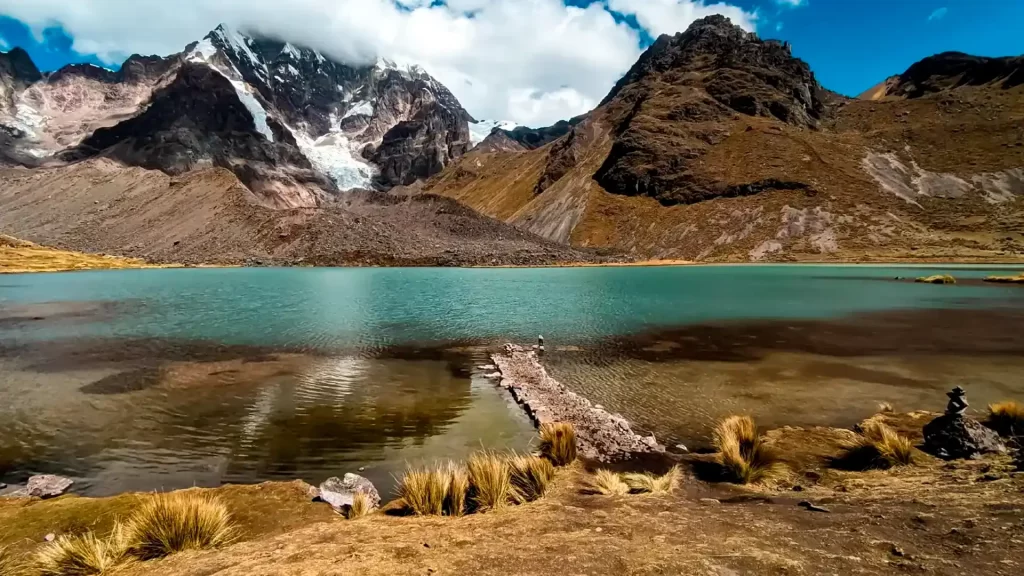
One of the most renowned treks in the Cusco region is the Salkantay Trek, serving as an adventurous alternative to the traditional Inca Trail. This trek leads travelers through diverse landscapes ranging from lush cloud forests to arid highlands, providing a comprehensive view of the region’s natural beauty. The Salkantay Mountain, which reaches an elevation of 6,271 meters (20,574 feet), is a highlight of the journey, offering stunning views and a challenging yet rewarding experience for trekkers.
The Allure of Salkantay’s Diverse Landscapes
The Salkantay Trek is celebrated for its breathtaking diversity. Starting in the vibrant cloud forests, trekkers are greeted with a lush environment teeming with unique wildlife and plant species. As the trek progresses, the landscape transforms into stark highlands, offering panoramic views of snow-capped peaks and remote valleys. Each day on the trek presents a new set of natural wonders, making it a favorite among nature lovers and adventure seekers alike.
Acclimatization Tips for the Salkantay Trek
Given the high altitudes encountered along the Salkantay Trek, proper acclimatization is essential for a successful journey. Travelers are advised to spend a few days in Cusco before embarking on the trek, allowing their bodies to adjust to the thinner air. Techniques such as gradual ascent, maintaining hydration, and consuming coca leaves or coca tea are traditional methods that help mitigate the effects of altitude sickness. It is also wise to pace oneself and listen to one’s body to avoid overexertion.
Gear and Preparation for a Successful Trek
Preparation extends beyond acclimatization; having the right gear is crucial for the Salkantay Trek. Trekkers should pack layered clothing to adapt to the varying temperatures, sturdy hiking boots for the rugged terrain, and essential supplies such as a reliable water filter and energy snacks. Hiring experienced guides and porters can enhance the experience, providing insights into the local culture and ensuring safety throughout the journey.
Discovering the Colors of the Mountain: Vinicunca
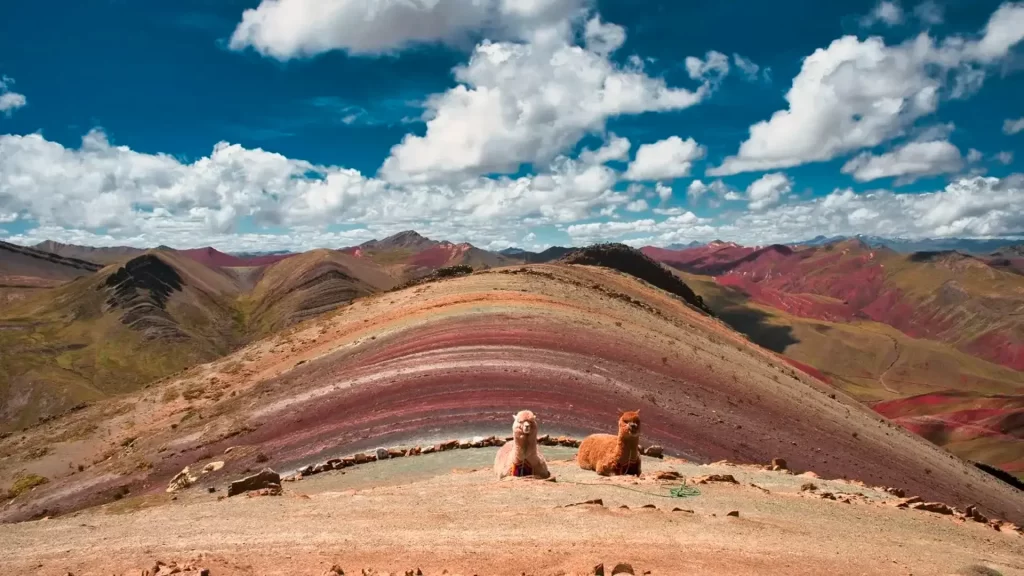
Another remarkable site near Cusco is Vinicunca, commonly known as the Rainbow Mountain or Montaña de Colores. This natural wonder is famed for its vibrant mineral stripes that resemble a rainbow painted across the landscape. Located at an altitude of approximately 5,200 meters (17,060 feet), visiting Vinicunca requires preparation and a good level of physical fitness.
The Geological Marvel of Rainbow Mountain
Vinicunca’s colorful appearance is a result of unique geological processes over millennia. The vibrant stripes are formed by the sedimentary layers of various minerals, each contributing different hues ranging from striking reds and yellows to deep purples and greens. This geological marvel attracts geologists and tourists alike, eager to witness the stunning natural palette that seems almost otherworldly.
Preparing for Vinicunca’s High Altitude
To fully enjoy the beauty of Rainbow Mountain, travelers should be prepared for the trek’s physical demands. The ascent is steep and challenging, and the high altitude can exacerbate the difficulty. Proper acclimatization, physical readiness, and appropriate clothing are crucial for a successful visit to this stunning natural landmark. It is advisable to start the trek early in the morning to avoid crowds and to maximize daylight hours.
Tips for a Memorable Visit to Vinicunca
In addition to physical preparation, visitors can enhance their Vinicunca experience by planning strategically. Hiring a knowledgeable local guide can provide valuable insights into the mountain’s history and geology. Bringing a camera is essential, as the breathtaking views offer countless photo opportunities. Lastly, respecting the natural environment and practicing leave-no-trace principles ensure that Vinicunca remains pristine for future generations to enjoy.
Valle Sagrado: The Sacred Valley’s Altitude and Allure
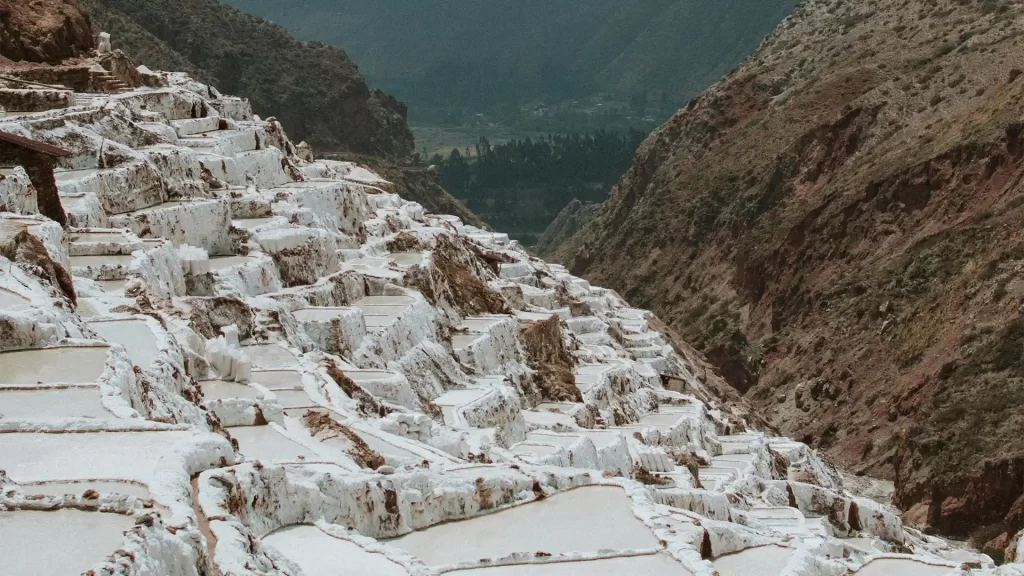
The Sacred Valley, or Valle Sagrado, is another area of immense cultural and historical significance located near Cusco. The valley’s altitude varies, with certain areas such as Pisac and Ollantaytambo sitting at around 2,800 meters (9,186 feet), providing a slightly lower and more temperate environment compared to Cusco. This region is rich with archaeological sites, traditional villages, and agricultural terraces that reflect the ingenuity of the Inca civilization.
The Historical Richness of the Sacred Valley
The Sacred Valley is a treasure trove of Inca history. The valley’s fertile lands were once the heart of the Inca Empire’s agriculture, sustaining the population with its abundant crops. Ancient terraces, still in use today, are a testament to the Inca’s sophisticated farming techniques. Visitors can explore numerous archaeological sites, including the impressive ruins of Pisac and Ollantaytambo, which offer a glimpse into the past.
Cultural Experiences in the Sacred Valley
Beyond its historical significance, the Sacred Valley offers rich cultural experiences. Traditional villages like Chinchero and Yucay provide opportunities to engage with local communities, witness traditional weaving practices, and participate in vibrant festivals. The valley’s markets are a vibrant display of local craftsmanship, offering handmade textiles, ceramics, and jewelry, allowing visitors to take a piece of the Sacred Valley’s culture home.
The Natural Beauty of the Sacred Valley
The Sacred Valley’s natural beauty is a draw for outdoor enthusiasts and photographers. The valley is framed by towering Andean peaks, creating a stunning backdrop for hiking, mountain biking, and horseback riding. The Urubamba River, which winds through the valley, offers white-water rafting adventures for thrill-seekers. The picturesque landscapes and diverse activities make the Sacred Valley a must-visit destination.
Machu Picchu: The Jewel of High Altitude Exploration
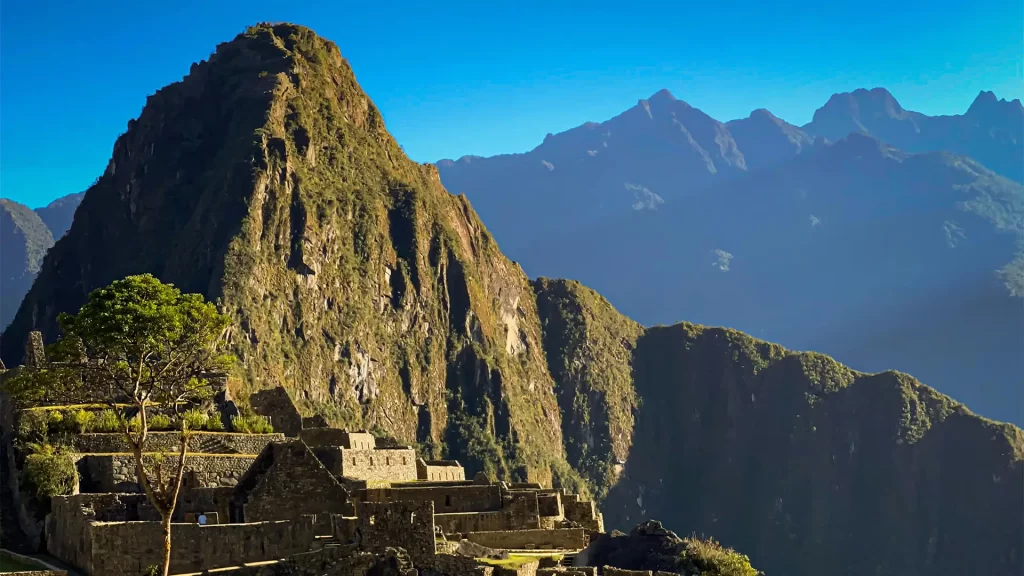
No discussion of Cusco’s altitude would be complete without mentioning Machu Picchu, the legendary Inca citadel perched at 2,430 meters (7,970 feet) above sea level. Although it is situated at a lower altitude than Cusco, the journey to Machu Picchu often begins in Cusco, making acclimatization in the city vital for a successful visit.
The Mystique of Machu Picchu’s Altitude
Machu Picchu’s allure is heightened by its altitude and remote location. The site is enveloped in misty clouds, adding to its mystique and enhancing the sense of discovery for visitors. The altitude allows for breathtaking views of the surrounding Andean landscapes, with the citadel itself offering a remarkable vantage point over the Sacred Valley. The combination of natural beauty and historical significance makes Machu Picchu a bucket-list destination.
Accessing Machu Picchu: Routes and Recommendations
Visitors to Machu Picchu have several options for reaching the site, each offering unique perspectives of the journey. The train route from Cusco to Aguas Calientes provides a comfortable and scenic ride through the Sacred Valley, while the Inca Trail offers a more adventurous trek through historical paths. Regardless of the chosen route, it’s important to book tickets in advance, as access to Machu Picchu is regulated to preserve the site.
Tips for a Successful Machu Picchu Experience
To make the most of a visit to Machu Picchu, proper planning is essential. Acclimatization in Cusco is recommended to avoid altitude-related issues during the visit. Hiring a knowledgeable guide can enrich the experience, providing insights into the site’s history and significance. Early morning visits are ideal to avoid crowds and capture the citadel in the soft light of dawn. By preparing adequately, visitors can ensure a memorable and rewarding exploration of this iconic landmark.
Embracing Cusco’s Altitude
Cusco’s elevation is an integral aspect of the travel experience, influencing everything from the physical well-being of visitors to the region’s cultural and environmental richness. Whether exploring the ancient ruins of Machu Picchu, trekking the Salkantay Trail, or marveling at the colors of Vinicunca, understanding and preparing for the altitude is key to a rewarding adventure in this enchanting part of the world.
The Role of Altitude in Shaping Travel Experiences
Altitude plays a pivotal role in shaping the travel experiences in Cusco. The unique combination of high-altitude landscapes and rich cultural history creates an unparalleled setting for exploration. Travelers who embrace the challenges and opportunities of altitude can fully immerse themselves in the awe-inspiring landscapes and vibrant history that define this remarkable region.
Preparing for Altitude-Related Challenges
For those crafting travel itineraries, highlighting the altitude-related experiences and providing guidance on acclimatization can enrich the journey. By understanding the effects of altitude and taking preventive measures, travelers can focus on creating lasting memories. Adequate preparation ensures not only physical comfort but also the mental readiness to appreciate the unique offerings of Cusco and its surroundings.
Celebrating Cusco’s Unique Altitude
Cusco altitude is not just a challenge but a defining characteristic that adds to the allure of the region. Celebrating this aspect involves recognizing the natural beauty, cultural depth, and historical significance that the high elevation brings. By embracing Cusco’s unique altitude, travelers can enhance their adventure and ensure a memorable visit to the heart of the Andes.