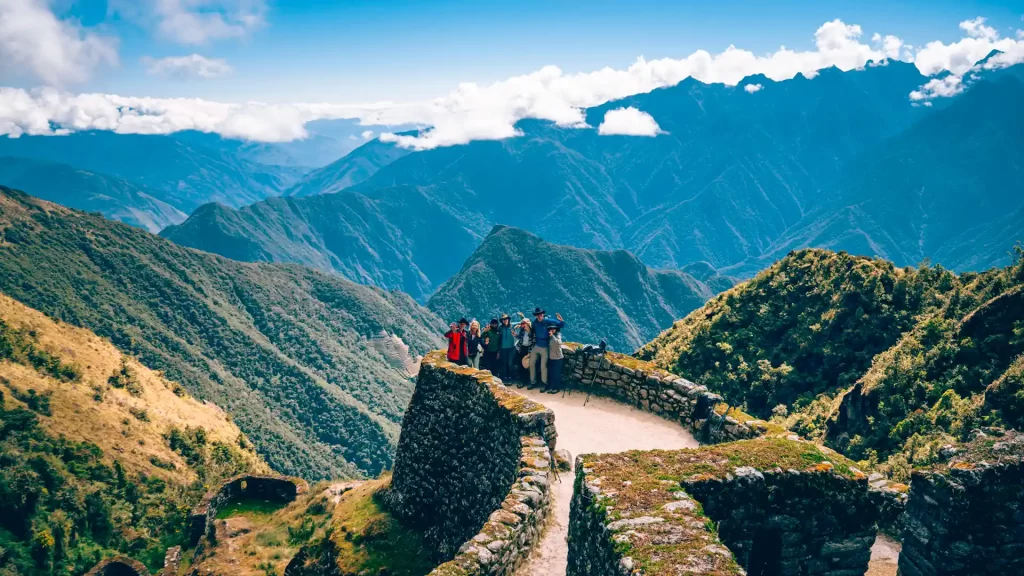
Peru offers iconic landscapes and unforgettable history, and timing your trip matters. Choosing the best time to visit Peru for Machu Picchu and the Inca Trail ensures a smoother experience. Weather, crowds, and ticket availability change through the year and affect your plans.
This guide explains seasons, climate patterns, and travel tips for these celebrated routes. You will learn when trails are driest and views are clearest. Plan confidently to match your adventure with ideal conditions and meaningful cultural moments.
Understanding Seasons and Weather in Machu Picchu and the Inca Trail
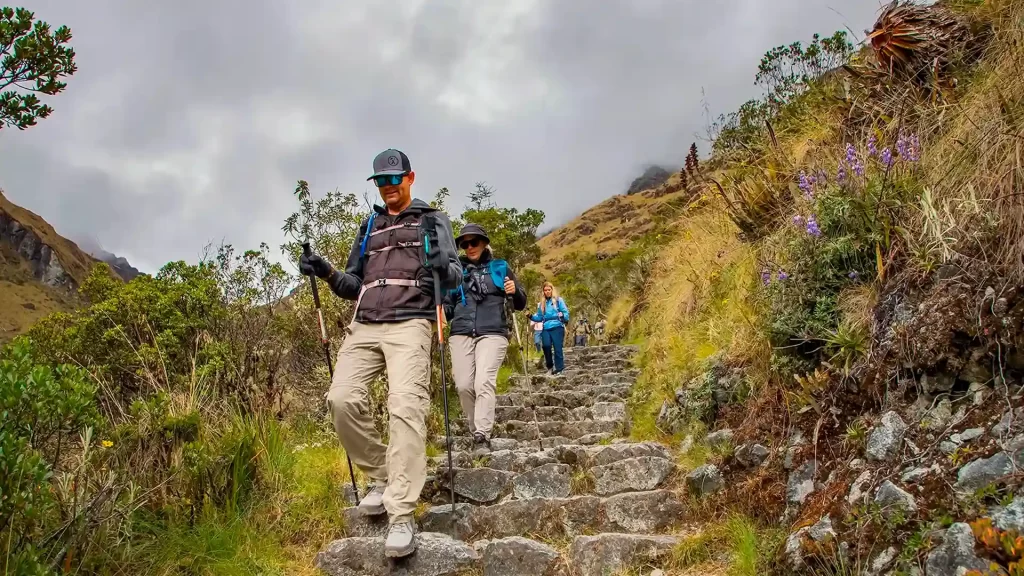
The four-day Inca Trail delivers changing landscapes and steady excitement. Trekkers start in Cusco or the Sacred Valley and meet their group. Guides outline safety, pace, and culture, linking choices to best time to visit peru for machu picchu and inca trail.
Day one introduces Andean foothills and gradual paths through native vegetation. You cross small streams and pass Inca sites with growing anticipation. Camps offer hot meals and clear night skies with bright constellations.
Day two challenges legs and lungs with the climb to Dead Woman’s Pass. You move steadily, using poles and controlled breathing at higher altitude. Victory at the summit brings sweeping views and powerful motivation.
Descending from the pass, you enter cloud forest alive with orchids and birds. Ancient terraces and stone stairways guide progress toward more secluded camps. Day three balances history and nature, creating memorable photo opportunities.
Highlights and Daily Milestones
Day four begins before sunrise, and hikers reach the Sun Gate with excitement. Machu Picchu appears below, and guides share insights about sacred architecture. You enter the citadel with timed tickets and respectful behavior.
Throughout the trek, staff prepare hearty meals that support sustained energy. Porters carry shared equipment, while you focus on your pace and hydration. Guides teach Andean traditions and promote responsible travel practices.
Weather shapes every day, so smart packing protects comfort and safety. Many travelers plan acclimatization hikes to Rainbow Mountain or Ausangate Mountain first. Understanding the best time to visit peru for machu picchu and inca trail helps you pick ideal months.
Seasonal choices influence trail conditions, photography, and overall enjoyment. You can avoid heavy rains or larger crowds with informed planning. Travelers repeat the phrase best time to visit peru for machu picchu and inca trail when sharing advice.
Expect varied temperatures, with warm days and cold Andean nights at camp. You wear layers, manage moisture, and keep gear dry inside liners. Clear skies reveal Southern Hemisphere stars, adding magic to quiet evenings.
Wildlife sightings enrich days, and you may spot llamas, vizcachas, and hummingbirds. Trail crews maintain paths, and you support conservation by following Leave No Trace principles. This detailed breakdown prepares you for the journey and strengthens appreciation for Andean heritage.
High Season vs Low Season: Crowds, Costs, and Trail Access
The high season is characterized by a greater flow of visitors, as it usually coincides with school vacations and the best weather of the year. During these months, destinations are more crowded, main attractions may have lines or limited capacity, and advance reservations are often necessary. In return, most tourist services are available and weather conditions are generally more stable.
In the low season, the situation changes: there are fewer tourists, which allows you to enjoy places with more peace and closer contact with nature. Prices for accommodation, flights, and tours usually decrease, making it an excellent option for those looking to save money. However, some services may operate with reduced hours or remain closed, and the weather can be more unpredictable.
Regarding trail and outdoor activity access, the high season typically offers better conditions and open routes, while in the low season there may be closures due to rain, snow, or maintenance. Therefore, the best choice depends on your priorities: if you prefer convenience and stable weather, the high season is ideal; if you value savings and tranquility, the low season may be the best option.
Month-by-Month Guide to the Best Time to Visit Peru for These Routes
Planning the best time to visit Peru depends on weather, crowds, and the type of routes you want to explore, such as Machu Picchu, Sacred Valley, Cusco, the Amazon, and the Andean trekking circuits. From May to September, Peru experiences its dry season, offering sunny days, clear skies, and excellent trail conditions—ideal for classic hikes like the Inca Trail, Salkantay, and Ausangate. These are the busiest months, so permits and accommodations should be booked well in advance.
From October to December, temperatures remain pleasant while light rains begin, creating greener landscapes with fewer crowds. This transition period is perfect for travelers who want a balance between good weather and quieter sites. Routes to Machu Picchu remain open, and the Sacred Valley is especially scenic during this time, making it an excellent choice for photography and cultural tours.
The rainy season from January to March brings heavier precipitation, particularly in the Andes, which may cause temporary closures of certain mountain routes, including parts of the Inca Trail in February. However, this is the best time to visit Peru’s Amazon rainforest, as wildlife viewing is outstanding and river levels are high for navigation. Prices for flights and hotels are generally lower during these months, offering budget-friendly travel opportunities.
Finally, April and early May mark one of the most underrated times to visit Peru. The rains subside, the mountains are lush and vibrant, and major trekking routes reopen with improved conditions and fewer tourists than in peak season. Whether your priority is trekking to Machu Picchu, exploring Andean villages, or discovering the Amazon, this month-by-month guide helps you choose the best season to visit Peru based on your interests, weather preferences, and travel style.