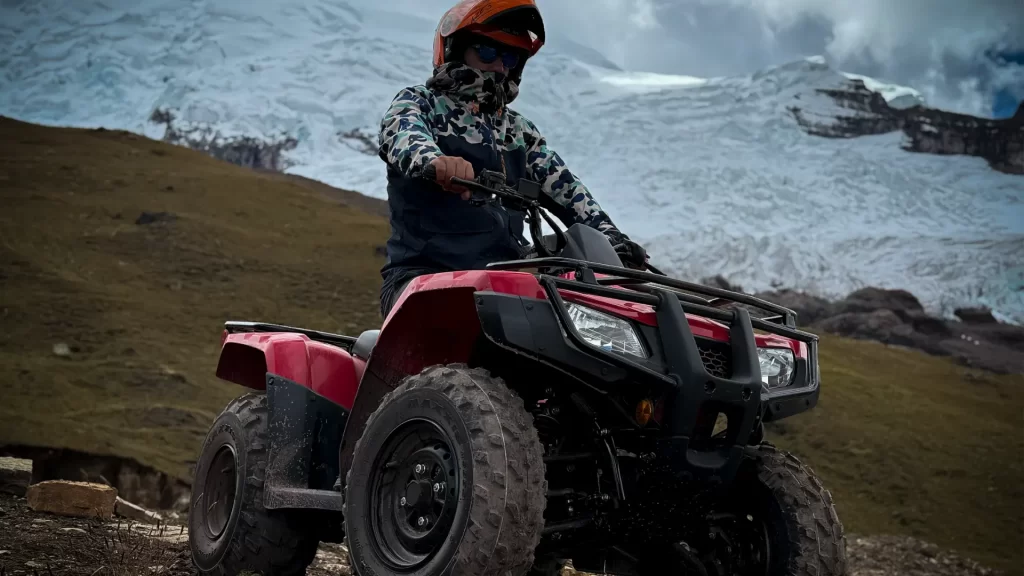


Traveling to Cusco, Peru is a life-changing experience. The former capital of the Inca Empire sits high in the Andes at 3,400 meters above sea level. From this historic city, travelers explore breathtaking landscapes and rich cultural heritage.
From Cusco, visitors discover the Sacred Valley, hike legendary mountain trails, and journey to the world wonder of Machu Picchu. Every route offers dramatic scenery, ancient ruins, and unforgettable moments. The adventure truly begins the moment you arrive in the Andes.
However, before admiring the ruins, trekking across high mountain passes, or photographing colorful peaks, it is important to understand how altitude affects your body. That is why learning the best Altitude sickness Cusco tips Peru is essential for a safe and comfortable journey.
Altitude sickness is common but manageable with proper planning. With the right itinerary and preparation, you can explore destinations such as the Sacred Valley, Pisac, the Inca Trail, the Salkantay Trek, the Lares Trek, Huchuy Qosqo, Humantay Lake, Rainbow Mountain, and Ausangate without serious problems. This complete guide explains everything you need to know.
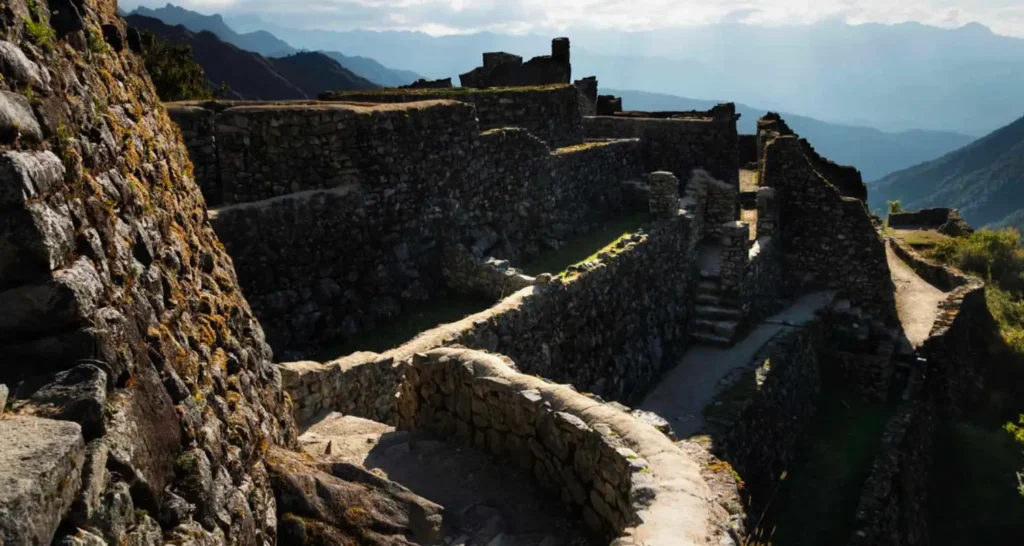
What Is Altitude Sickness and Why Does It Happen in Cusco Peru?
Altitude sickness, also known as Acute Mountain Sickness (AMS), happens when your body struggles to adapt to lower oxygen levels at high elevations.
At sea level, oxygen saturation is high. In Cusco Peru, the air contains less oxygen. Your lungs must work harder, your heart beats faster, and your body begins adjusting by producing more red blood cells.
This adaptation process takes time. If you ascend too quickly or push your body too hard, symptoms may appear.
Common Symptoms
- Headache
- Nausea
- Fatigue
- Dizziness
- Shortness of breath
- Loss of appetite
- Poor sleep
Most cases are mild and improve within 24–48 hours. The key is not to panic. Instead, follow smart Altitude sickness Cusco tips Peru and give your body time.
Why Cusco Feels Harder Than Machu Picchu
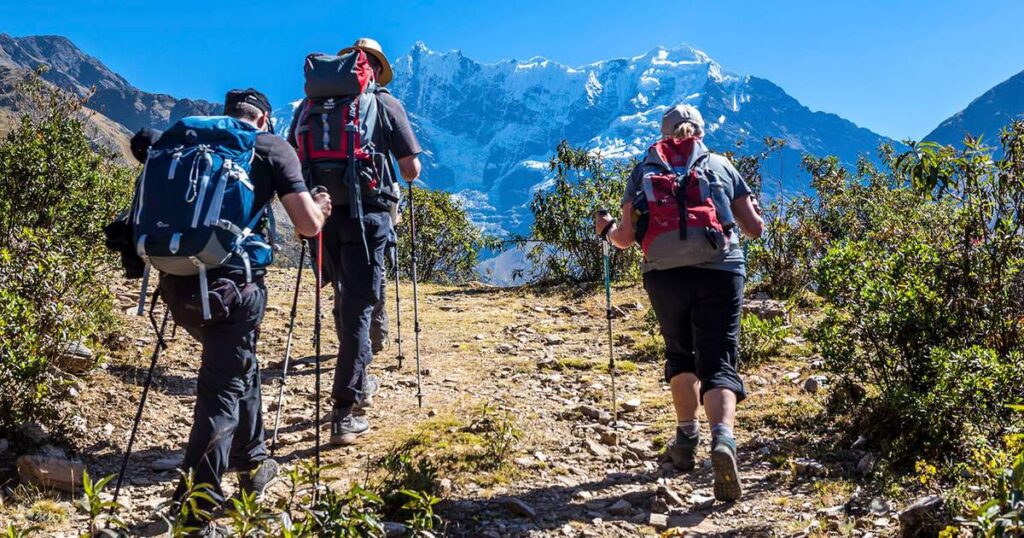
Many travelers assume that Machu Picchu is higher than Cusco, but in reality, Machu Picchu sits at 2,430 meters above sea level, which is significantly lower than Cusco. For this reason, many visitors actually feel better physically in Machu Picchu than in the city of Cusco.
The Sacred Valley is even lower, averaging around 2,800 meters, making it one of the smartest places to stay first and allow gradual acclimatization to the altitude.
Understanding elevation differences is critical:
- Cusco: 3,400 meters above sea level
- Sacred Valley: 2,800 meters above sea level
- Pisac: 2,972 meters above sea level
- Machu Picchu: 2,430 meters above sea level
- Humantay Lake: 4,200 meters above sea level
- Rainbow Mountain: 5,036 meters above sea level
The jump from Cusco to Rainbow Mountain is significant. Planning correctly makes all the difference.
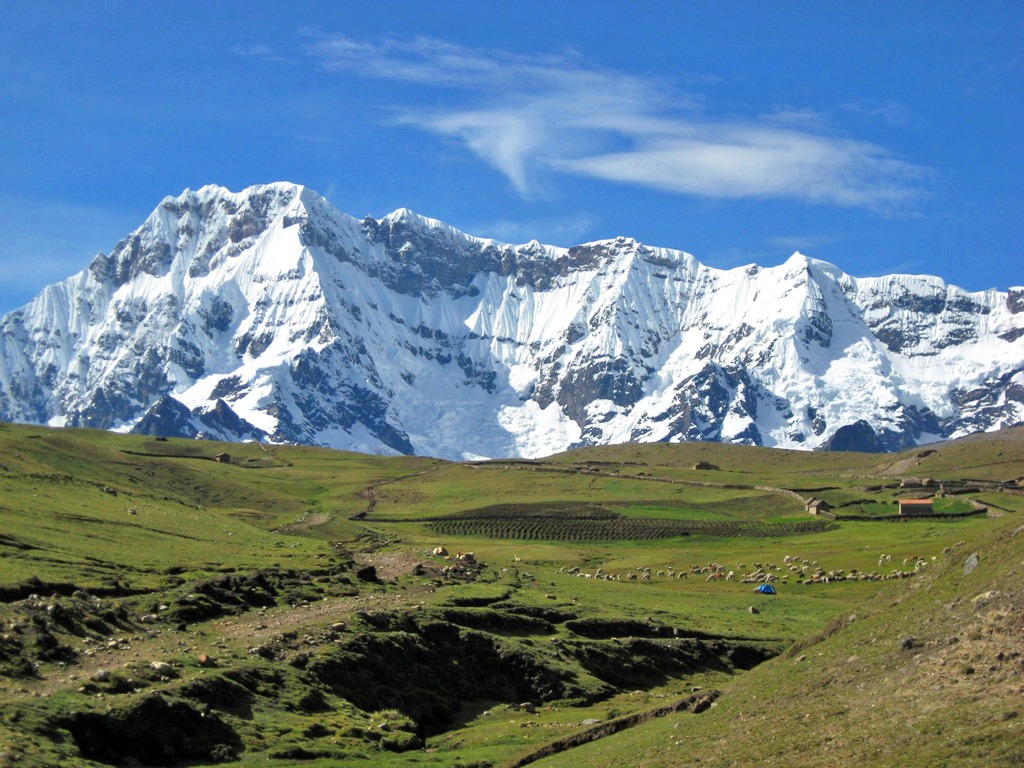
Top Altitude Sickness Cusco Tips Peru Travelers Must Follow
1. Rest on Arrival
The most important rule is simple: do not rush.
On your first day in Cusco Peru:
- Walk slowly
- Avoid stairs when possible
- Eat light meals
- Skip intense city tours
Your body needs time to adjust.
2. Hydrate Constantly
Dry mountain air increases dehydration. Drink 2–3 liters of water daily. Herbal infusions like coca tea are traditional and commonly offered in hotels.
Hydration helps reduce headaches and improves oxygen circulation.

3. Avoid Alcohol and Heavy Meals
Alcohol worsens dehydration and can intensify dizziness, so it is best to avoid it for at least the first 48 hours after arriving at high altitude. Heavy meals can also slow digestion and increase discomfort, so choosing light options such as soups, vegetables, rice, and fruits will help your body adjust more easily.
4. Sleep Lower First
A smart travel strategy is to land in Cusco and transfer immediately to the Sacred Valley, where the lower altitude helps your body adjust more comfortably. You can visit Pisac and Ollantaytambo, then continue your journey to Machu Picchu before returning to Cusco later. Sleeping at a lower elevation first allows for gradual acclimatization and reduces the risk of altitude sickness.
5. Do Not Schedule Rainbow Mountain on Day 2
One of the biggest mistakes travelers make is booking Rainbow Mountain or Humantay Lake immediately after arrival in Cusco.
These high-altitude day trips exceed 4,200 meters, and without proper acclimatization, altitude sickness symptoms can become stronger and affect the experience. Instead, it is highly recommended to schedule these tours after 3–4 days to allow your body to adapt safely to the altitude.
Preparing for High-Altitude Treks
Cusco is famous for multi-day treks. The Inca Trail, Salkantay Trek, and Lares Trek reach serious elevations.
Inca Trail:
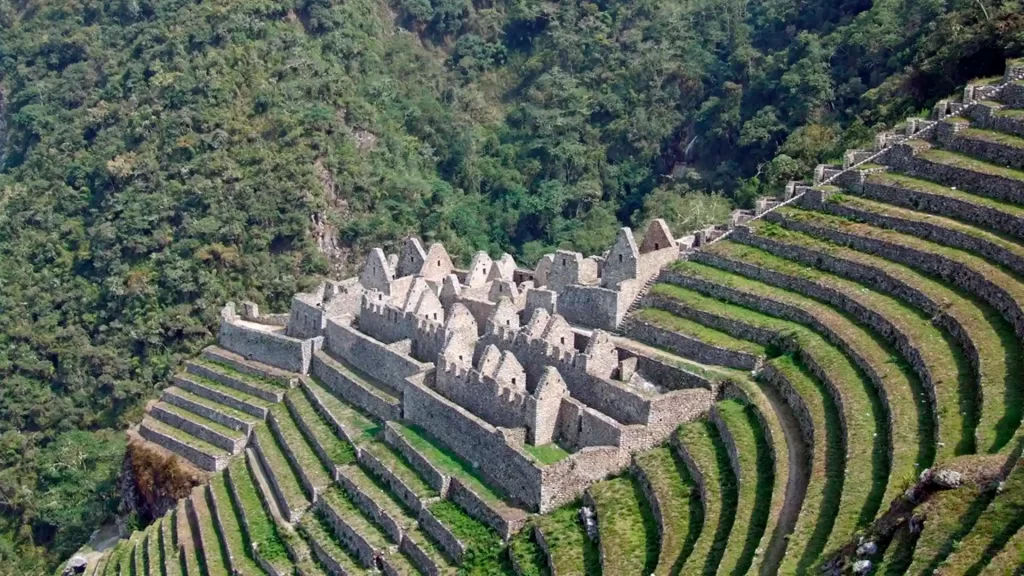
The Inca Trail reaches its highest point at 4,215 meters (13,828 ft) at the famous Dead Woman’s Pass. This section represents the most challenging part of the trek, requiring steady pacing and proper acclimatization, but rewards hikers with spectacular mountain views and a deep connection to ancient Inca pathways.
Salkantay Trek:
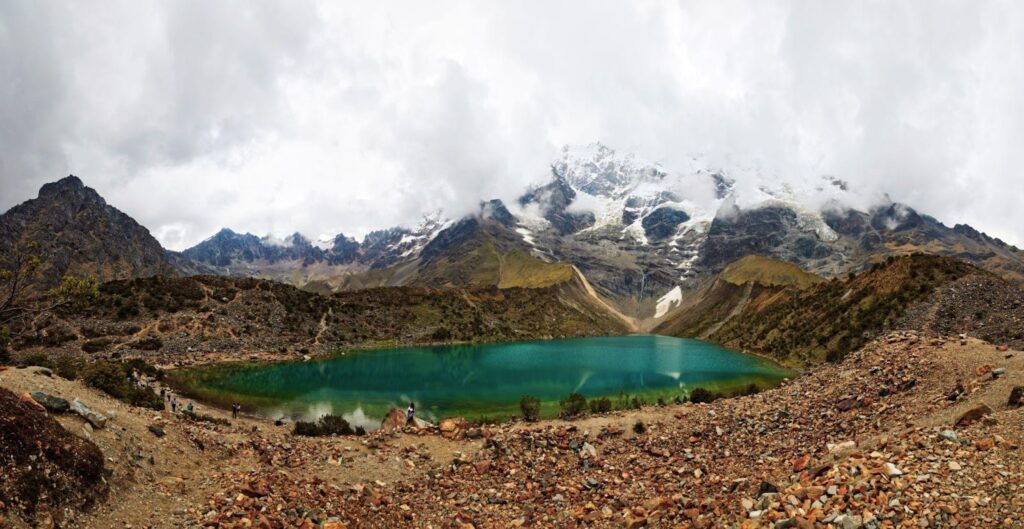
The Salkantay Trek climbs to its highest point at 4,650 meters (15,255 ft) near the Salkantay Pass, surrounded by dramatic glaciers and towering Andean peaks. The altitude and changing climate make this trek physically demanding, yet it offers one of the most scenic and diverse routes toward Machu Picchu.
Lares Trek:
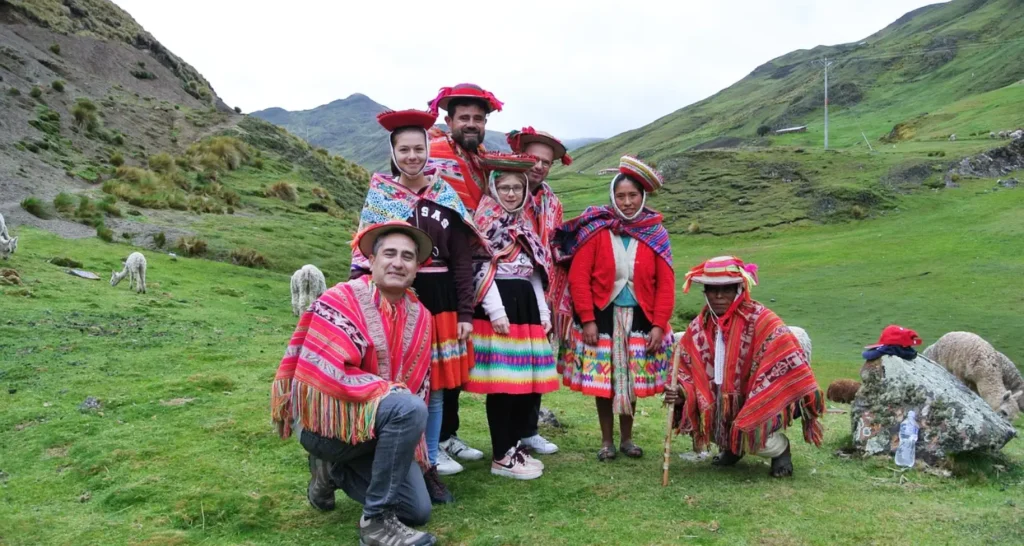
The Lares Trek crosses high mountain passes above 4,400 meters (14,435 ft), combining breathtaking landscapes with authentic cultural encounters. Travelers walk through traditional Andean communities, where local life continues much as it has for centuries, creating a trekking experience rich in both nature and living heritage.
If you plan these adventures, follow these Altitude sickness Cusco tips Peru:
- Arrive 3 days before your trek
- Walk short distances to test your breathing
- Avoid intense workouts before starting
- Eat properly and stay hydrated
These treks reward you with breathtaking Andean landscapes and finally lead to Machu Picchu. Preparation ensures you enjoy the experience fully.
High-Altitude Destinations Around Cusco
Humantay Lake
Humantay Lake sits at 4,200 meters above sea level, making the short but steep hike a real challenge for many travelers. Walking slowly and maintaining steady breathing are essential to adapt to the altitude and fully enjoy the stunning Andean landscape.
Rainbow Mountain
Rainbow Mountain rises to an impressive altitude of 5,200 meters above sea level, making the hike physically demanding for most travelers. The trail involves gradual ascents in high-altitude conditions, so walking at a slow pace, staying hydrated, and breathing steadily are key to reaching the viewpoint and appreciating the mountain’s vibrant natural colors.
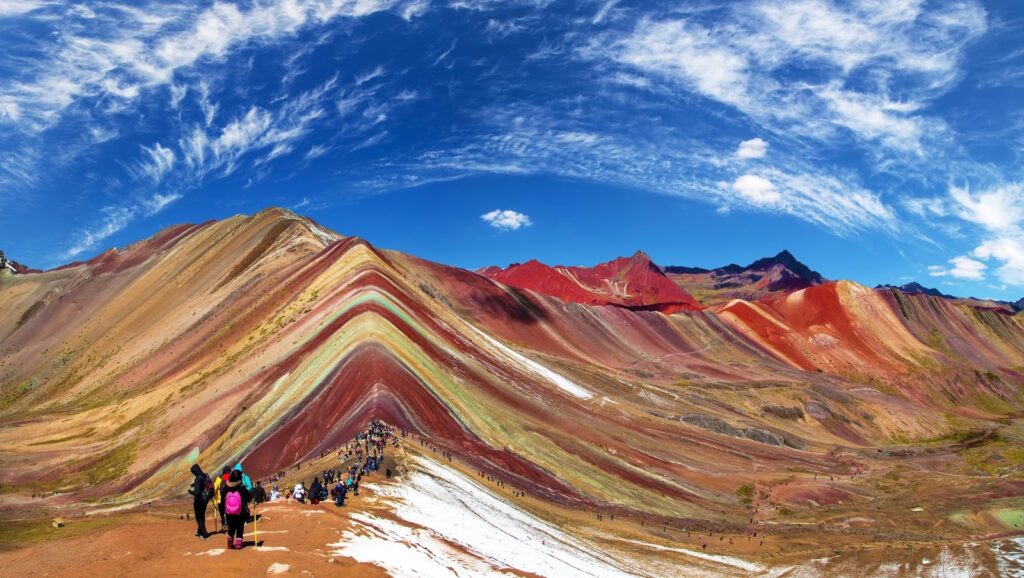
Rainbow Mountain exceeds 5,000 meters. The air feels thin, and even simple movement requires effort. Horses are available for assistance, but acclimatization remains crucial.
Ausangate
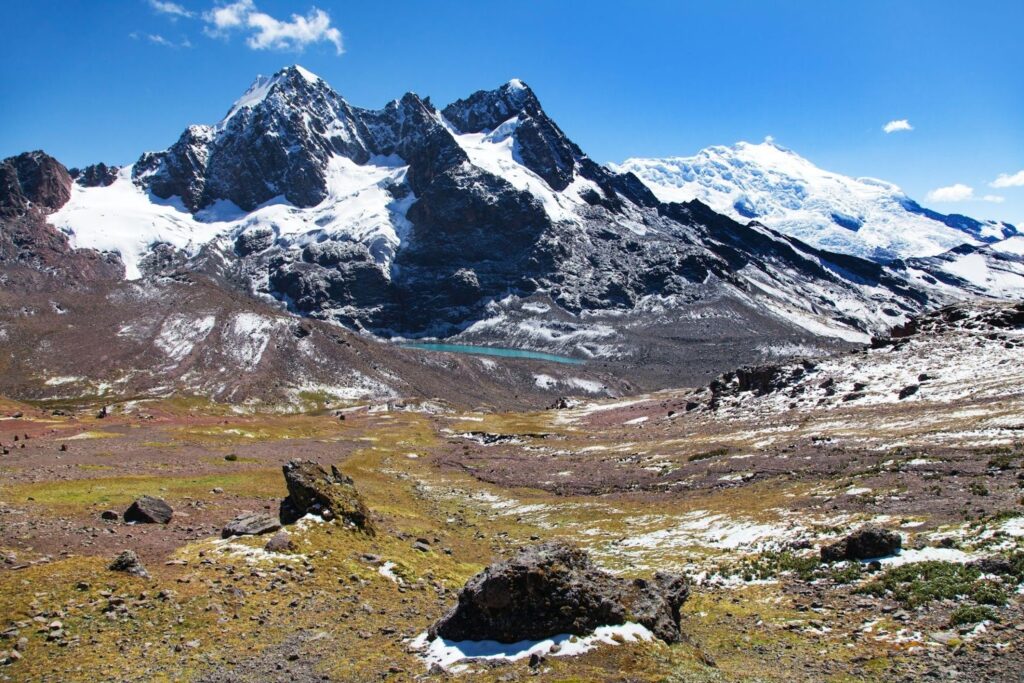
Ausangate Mountain rises above 6,000 meters. Multi-day treks around this sacred peak demand excellent preparation. It is one of the most spectacular high-altitude circuits in Peru.
Natural Remedies and Medical Support
Coca tea is traditional and widely consumed. It may ease mild symptoms.
Some travelers use altitude medication like acetazolamide, but consult your doctor before traveling.
Cusco Peru has medical clinics experienced in altitude treatment. Severe cases are rare but treatable.
Signs You Should Descend
Seek help immediately if you experience:
- Severe breathing difficulty
- Persistent vomiting
- Confusion
- Chest pain
- Inability to walk straight
Descending to a lower altitude quickly improves symptoms.
Ideal 7-Day Itinerary to Prevent Altitude Problems
Day 1 – Arrival → Sacred Valley
Day 2 – Pisac & Ollantaytambo
Day 3 – Machu Picchu
Day 4 – Cusco city exploration
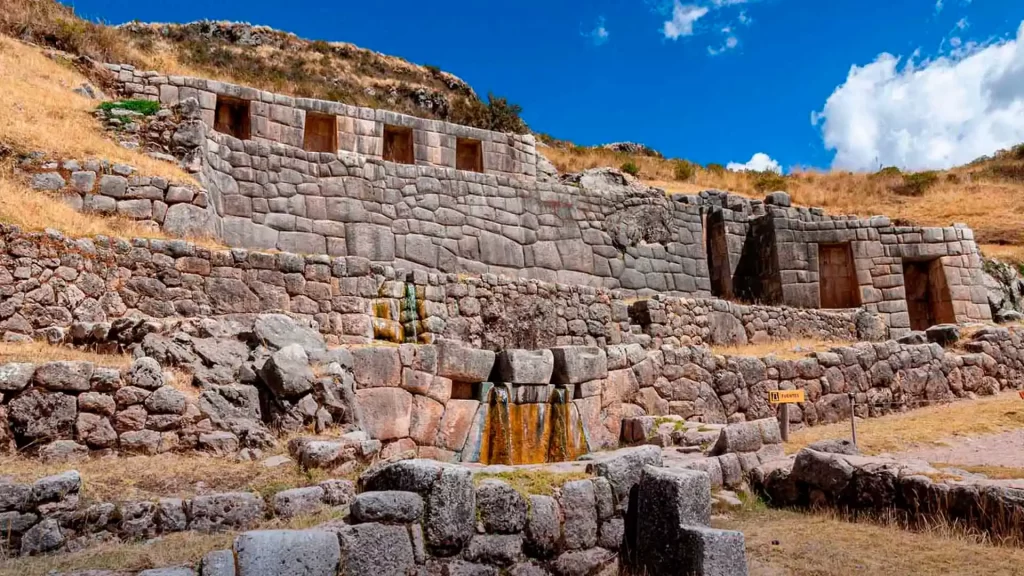
Day 5 – Huchuy Qosqo hike
Day 6 – Humantay Lake
Day 7 – Rainbow Mountain
This gradual approach follows the best Altitude sickness Cusco tips Peru practices.
Final Thoughts – Respect the Andes and Enjoy the Journey
Altitude sickness should not stop you from visiting Cusco Peru. It simply requires awareness and planning.
From the mystical ruins of Machu Picchu to the colorful peaks of Rainbow Mountain and the majestic slopes of Ausangate, the Andes offer unmatched beauty.
Rest, hydrate, ascend gradually, and listen to your body. When you respect the mountains, your adventure becomes safer, smoother, and unforgettable.
By following these detailed Altitude sickness Cusco tips Peru, you will explore the Sacred Valley, Pisac, the Inca Trail, Salkantay, Lares Trek, Huchuy Qosqo, Humantay Lake, Rainbow Mountain, and Ausangate Mountain with confidence and peace of mind.